
10 Best pressure washers in the Philippines (2026)
The Ingco HPWR14008GP is our Best Overall pick: it delivers a verified 130 bar and 5.5 L/min from a 1400W motor, the best pressure-per-watt figure we found, for around ₱4,100. Below are the best pressure washers on Shopee PH right now, ranked on published pressure and flow figures, build detail, and real owner ratings. A warning before you scroll: several of the cheapest listings advertise wattages that are not physically possible, and we say so.
In a hurry? Ingco HPWR14008GP High Pressure Washer 1400W is our top pick for most homes, or go for the Greenfield Compact Self-Priming Pressure Washer 90 Bar at around ₱2,900 if you're on a budget.
Our quick picks
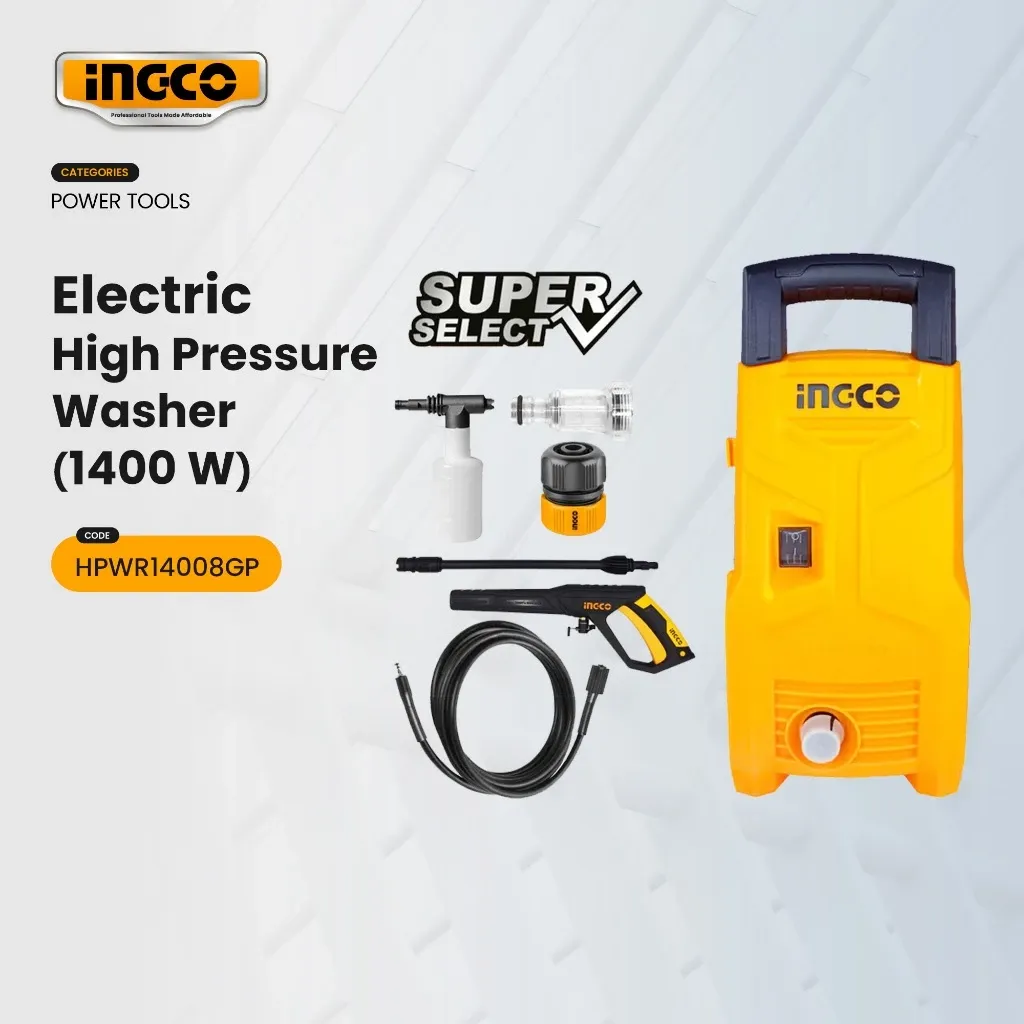
Best Overall: Ingco HPWR14008GP High Pressure Washer 1400W
₱4,100as of Aug 7, 2026
Read our review of the Ingco HPWR14008GP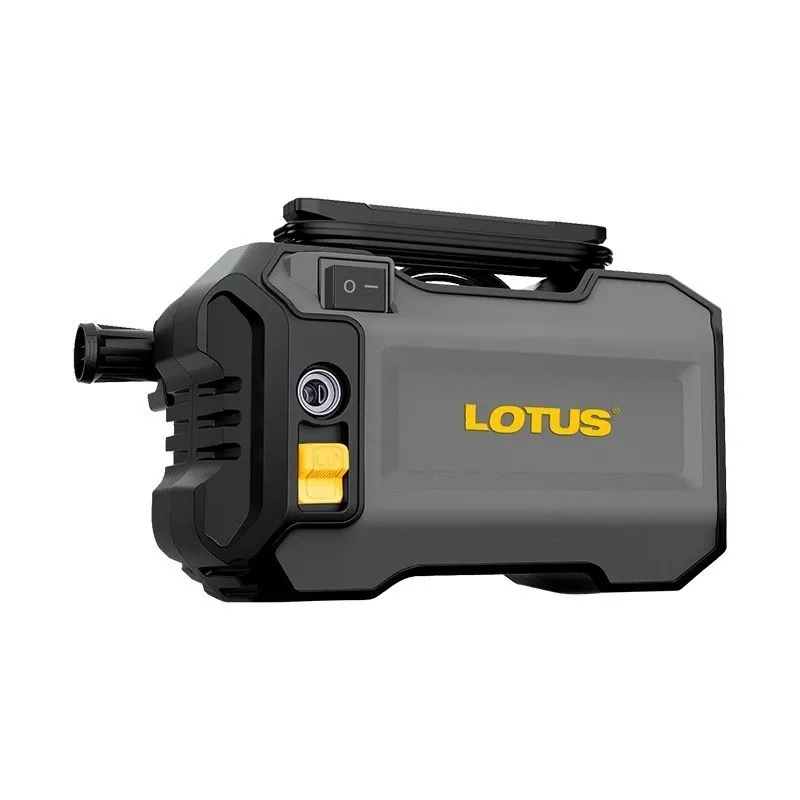
Best Value: Lotus LTPW140CX Self-Priming Pressure Washer 1400W
₱3,600as of Aug 7, 2026
Read our review of the Lotus LTPW140CX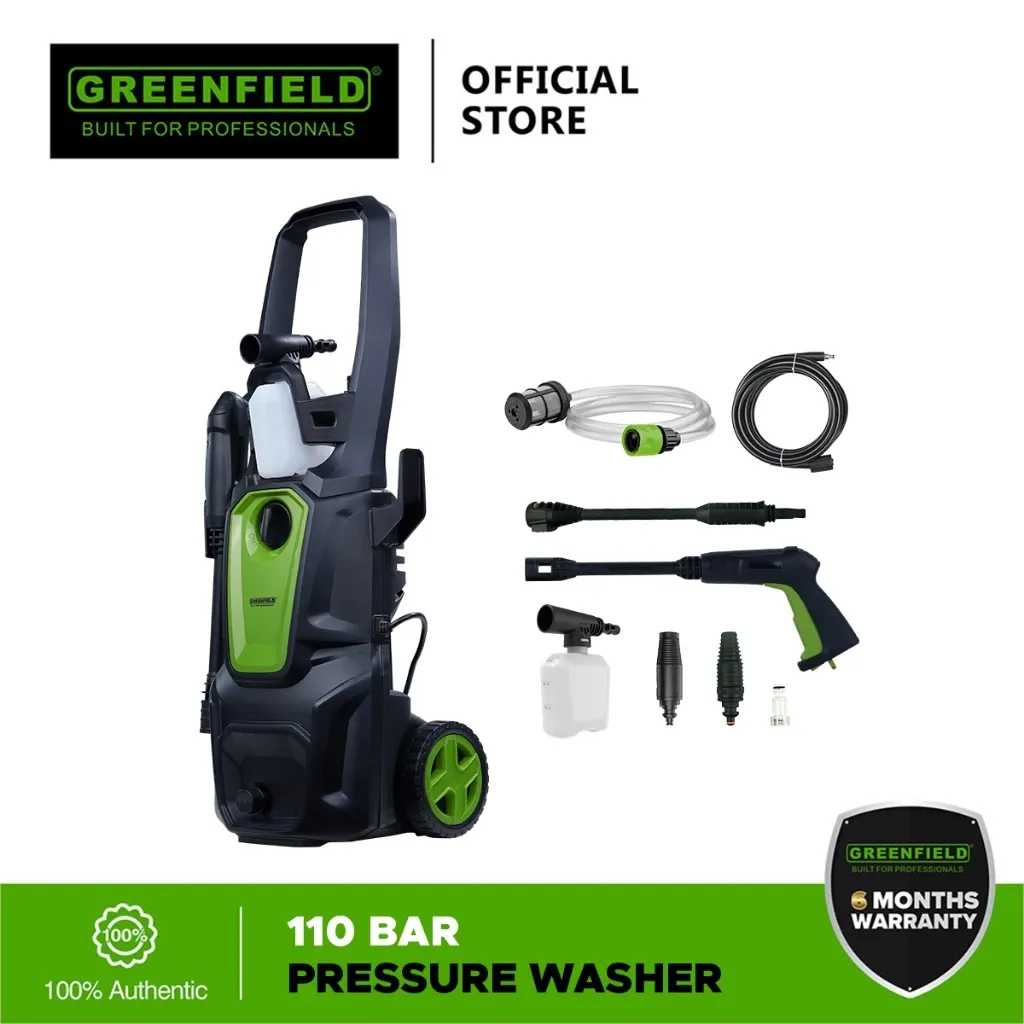
Best Pump Build: Greenfield Self-Priming Pressure Washer 110 Bar
₱3,500as of Aug 7, 2026
Read our review of the Greenfield 110 Bar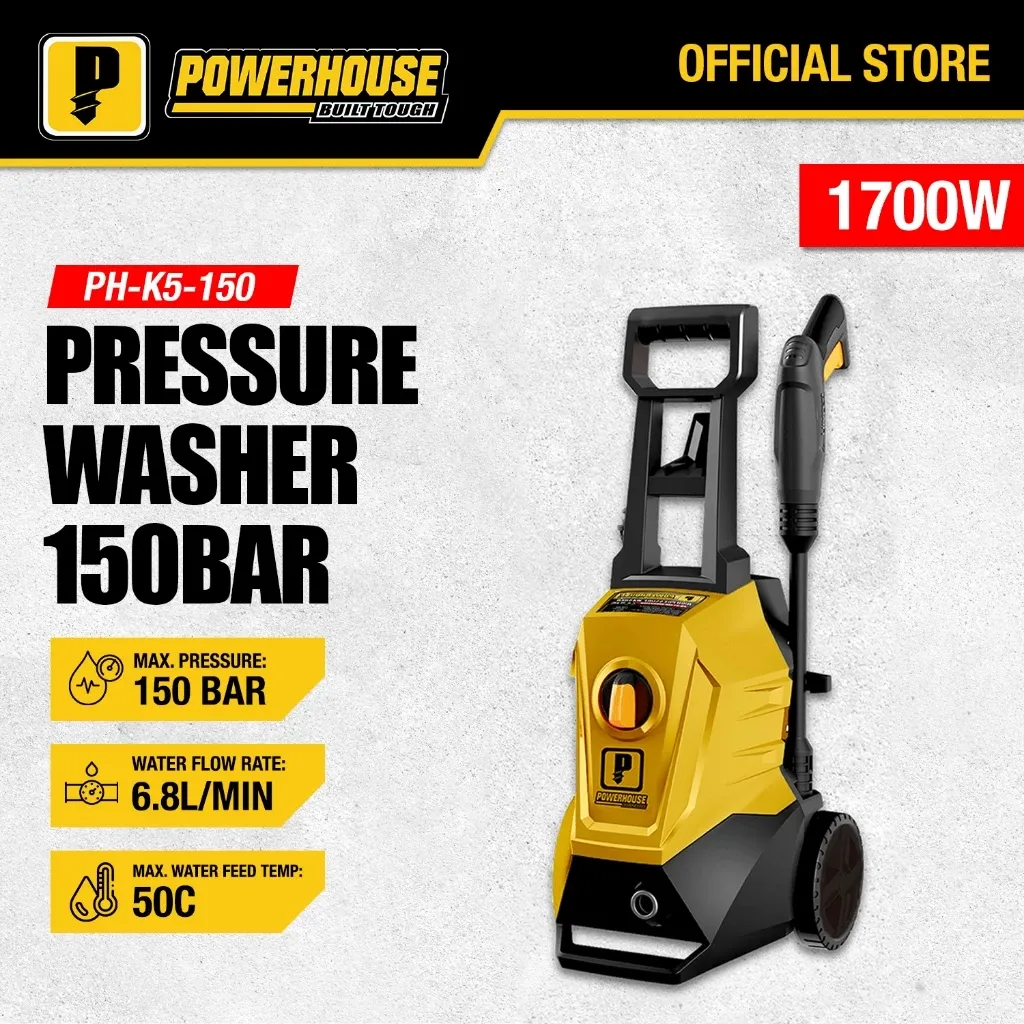
Best Premium: Powerhouse PH-K5.150 High Pressure Washer 1700W
₱5,800as of Aug 7, 2026
Read our review of the Powerhouse PH-K5.150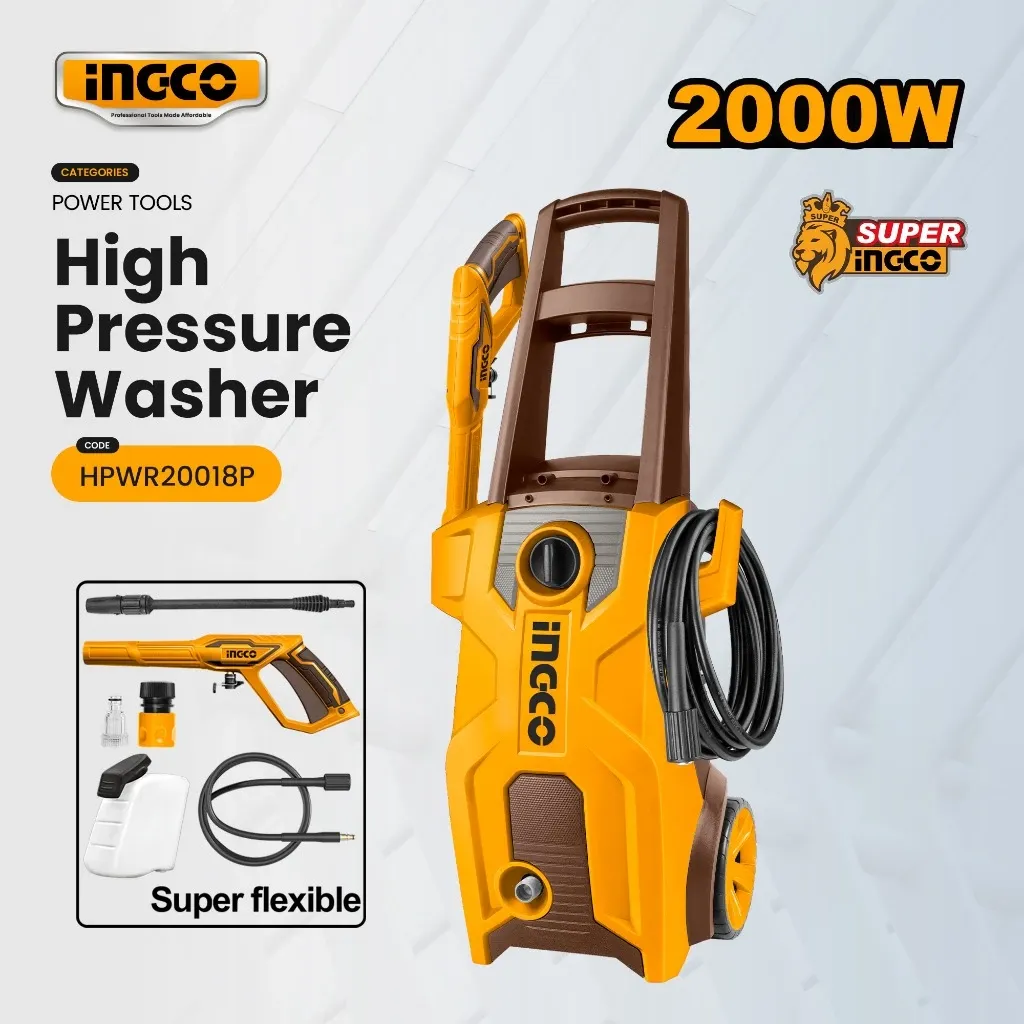
Best for Heavy Duty: Ingco HPWR20018P High Pressure Washer 2000W
₱7,400as of Aug 7, 2026
Read our review of the Ingco HPWR20018P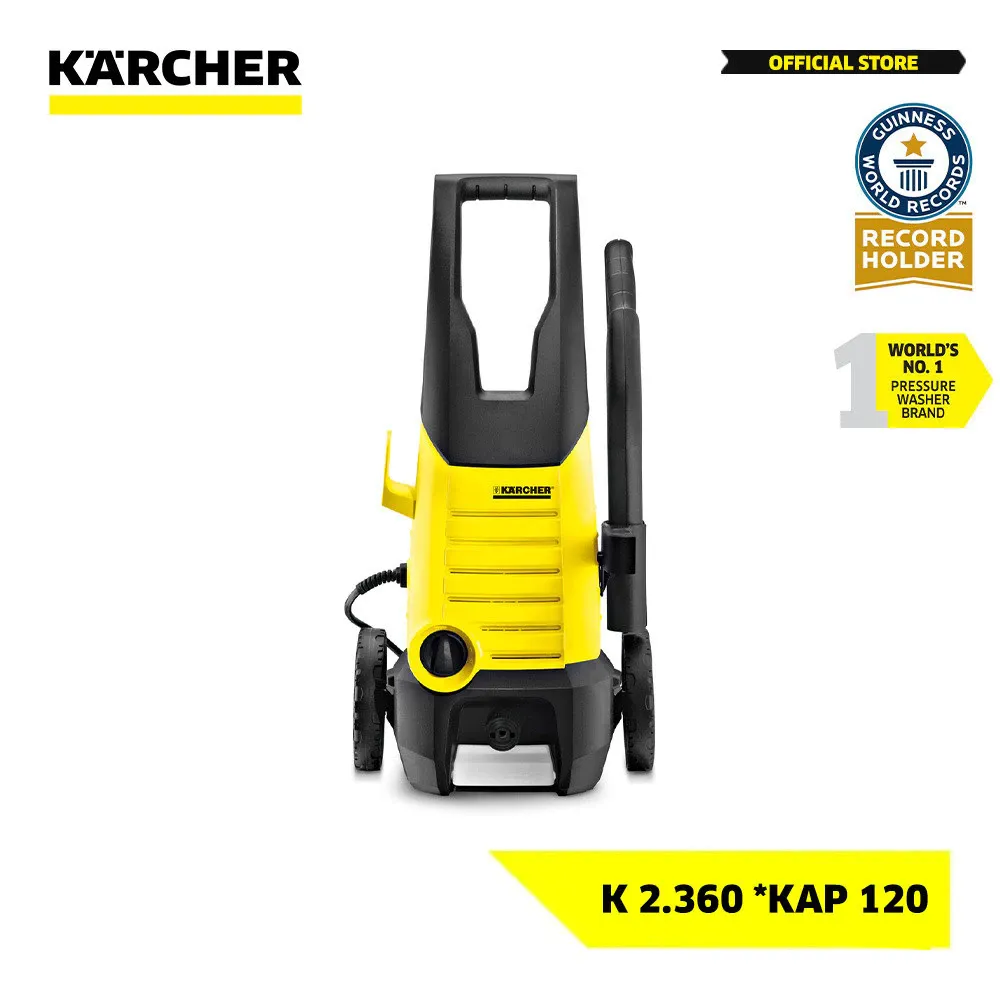
Best Branded: Karcher K 2.360 Pressure Washer 120 Bar
₱7,900as of Aug 7, 2026
Read our review of the Karcher K 2.360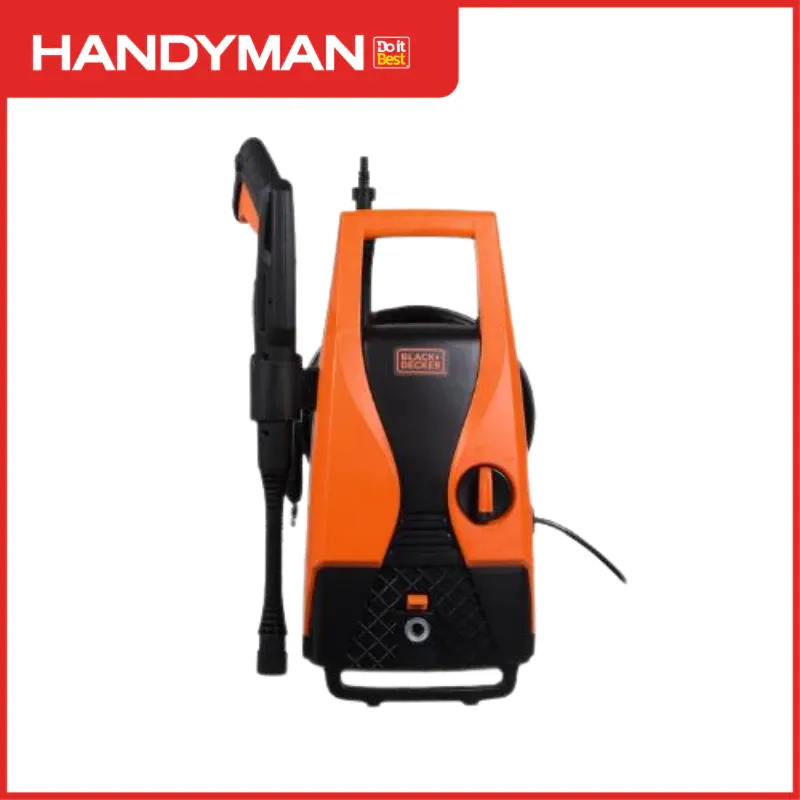
Best Flow Rate: BLACK+DECKER PW1450TD-B1 Pressure Washer 1400W
₱4,100as of Aug 7, 2026
Read our review of the BLACK+DECKER PW1450TD-B1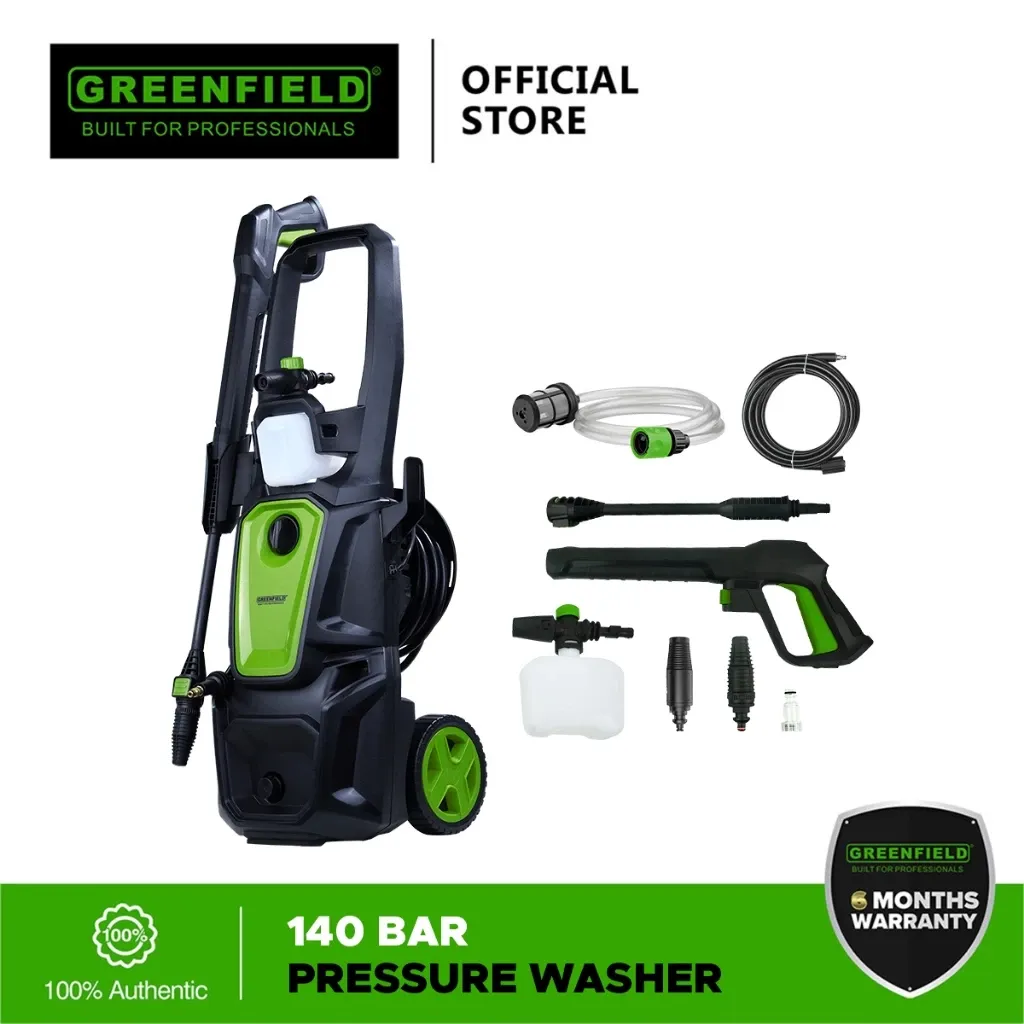
Best Sustained Pressure: Greenfield Self-Priming Pressure Washer 140 Bar
₱4,900as of Aug 7, 2026
Read our review of the Greenfield 140 Bar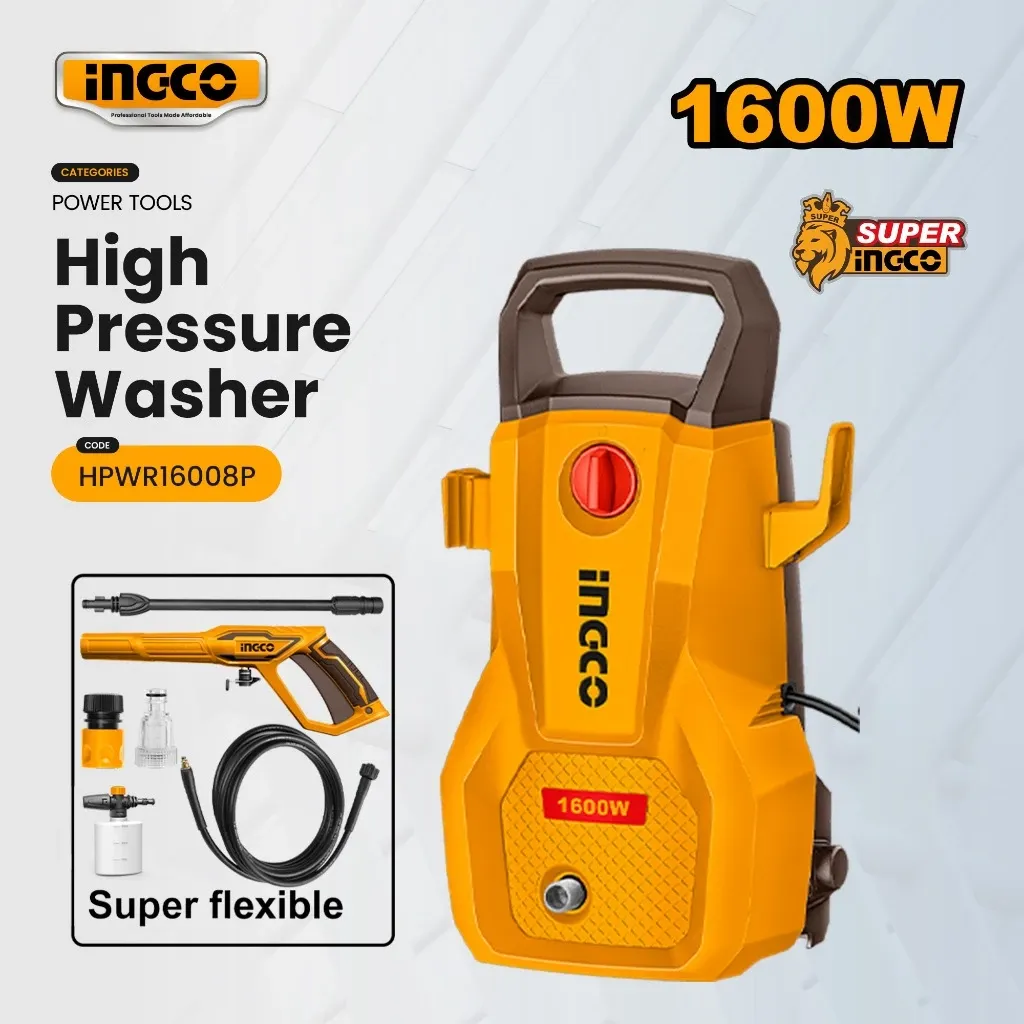
Best Mid-Range: Ingco HPWR16008P High Pressure Washer 1600W
₱5,200as of Aug 7, 2026
Read our review of the Ingco HPWR16008P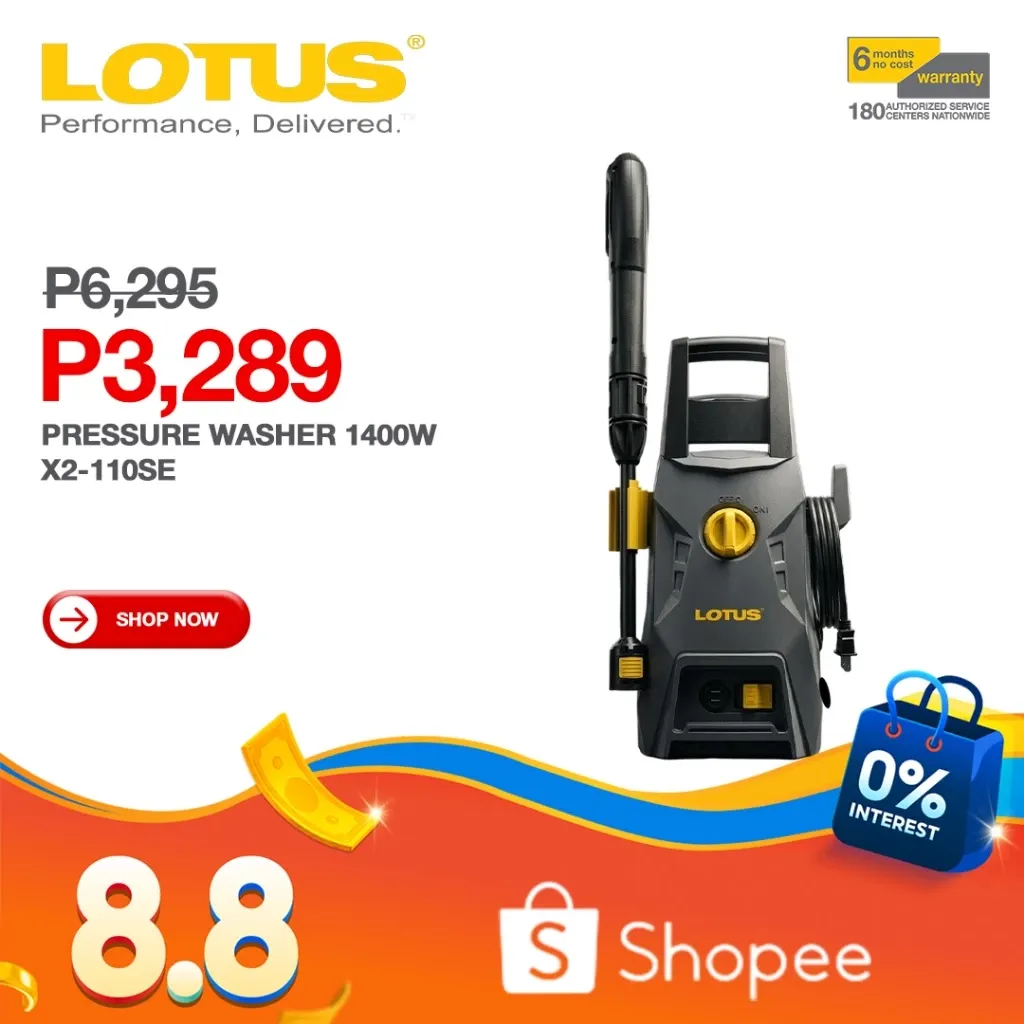
Best Ingress Rating: Lotus X2-110SE Pressure Washer 1400W
₱3,600as of Aug 7, 2026
Read our review of the Lotus X2-110SE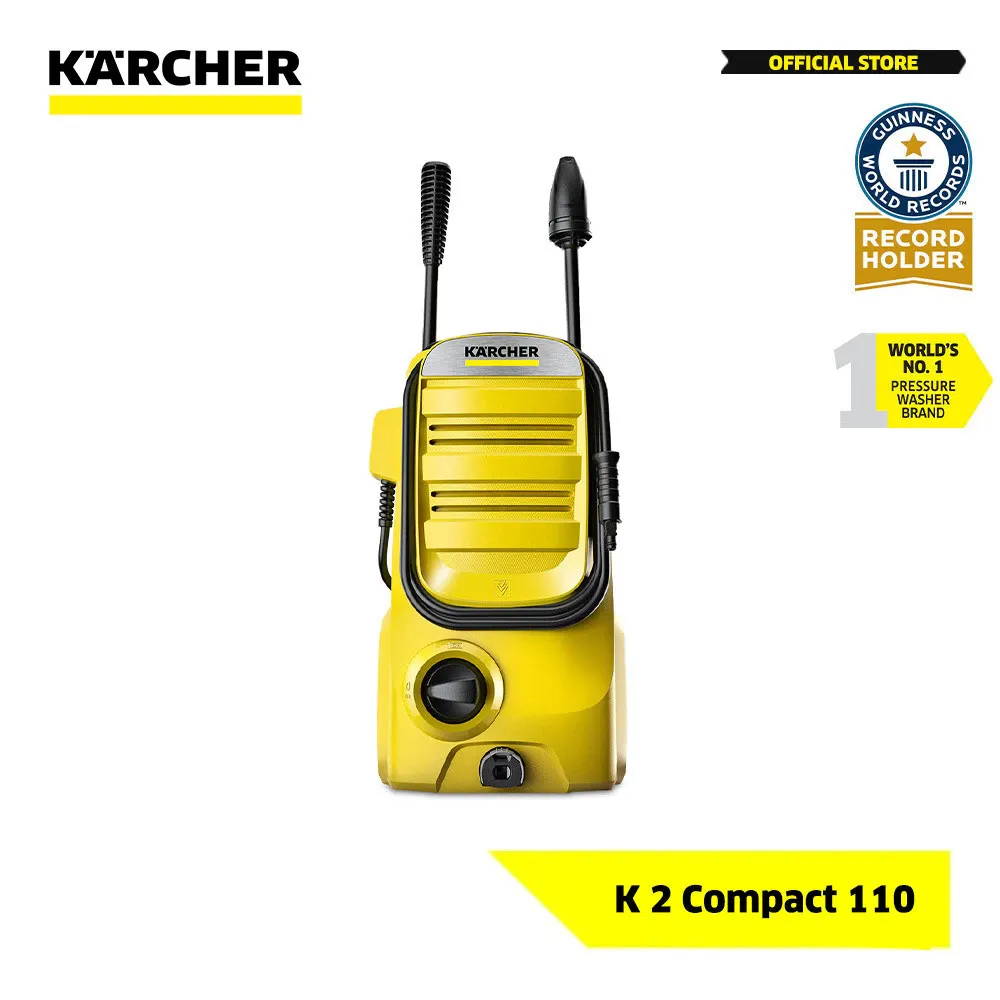
Best Compact: Karcher K 2 Compact Pressure Washer 110 Bar
₱6,500as of Aug 7, 2026
Read our review of the Karcher K 2 Compact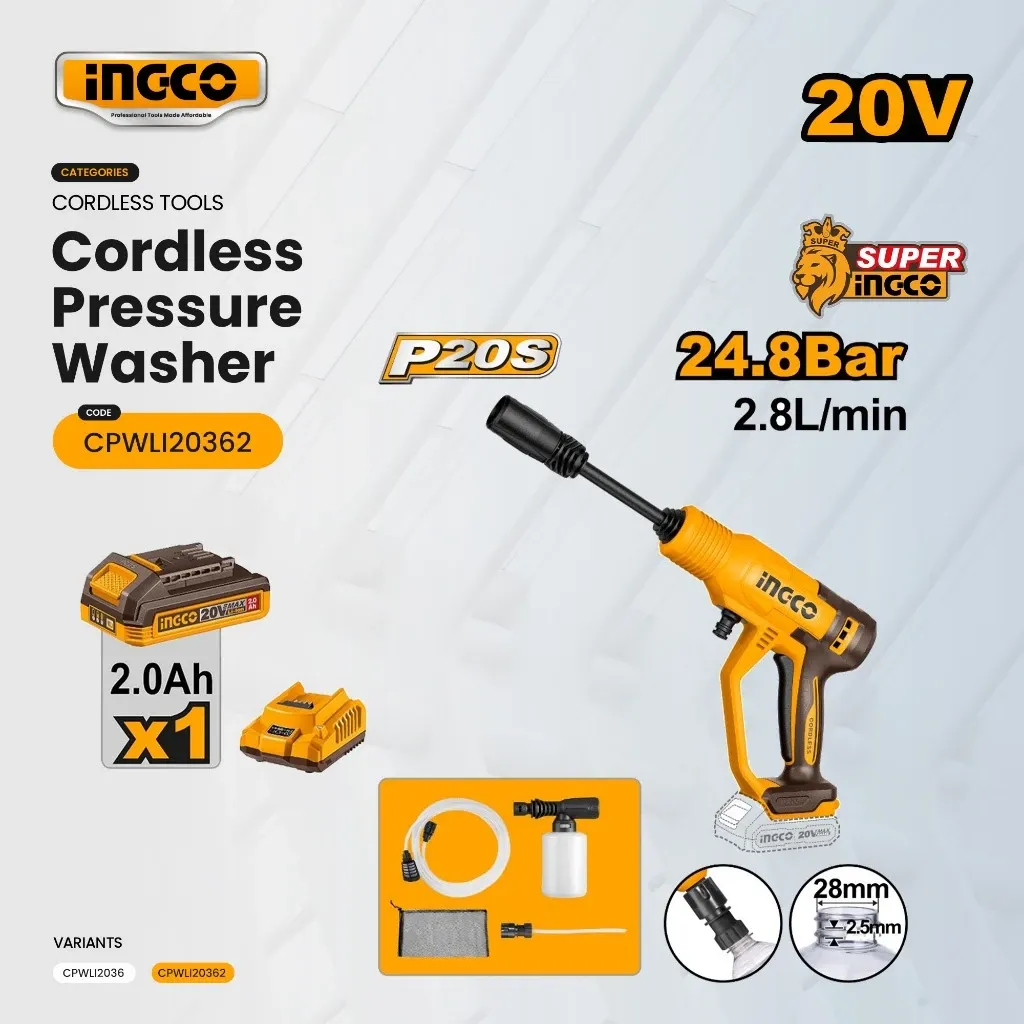
Best Cordless: Ingco CPWLI20362 20V Cordless Pressure Washer Kit
₱3,600as of Aug 7, 2026
Read our review of the Ingco CPWLI20362 Kit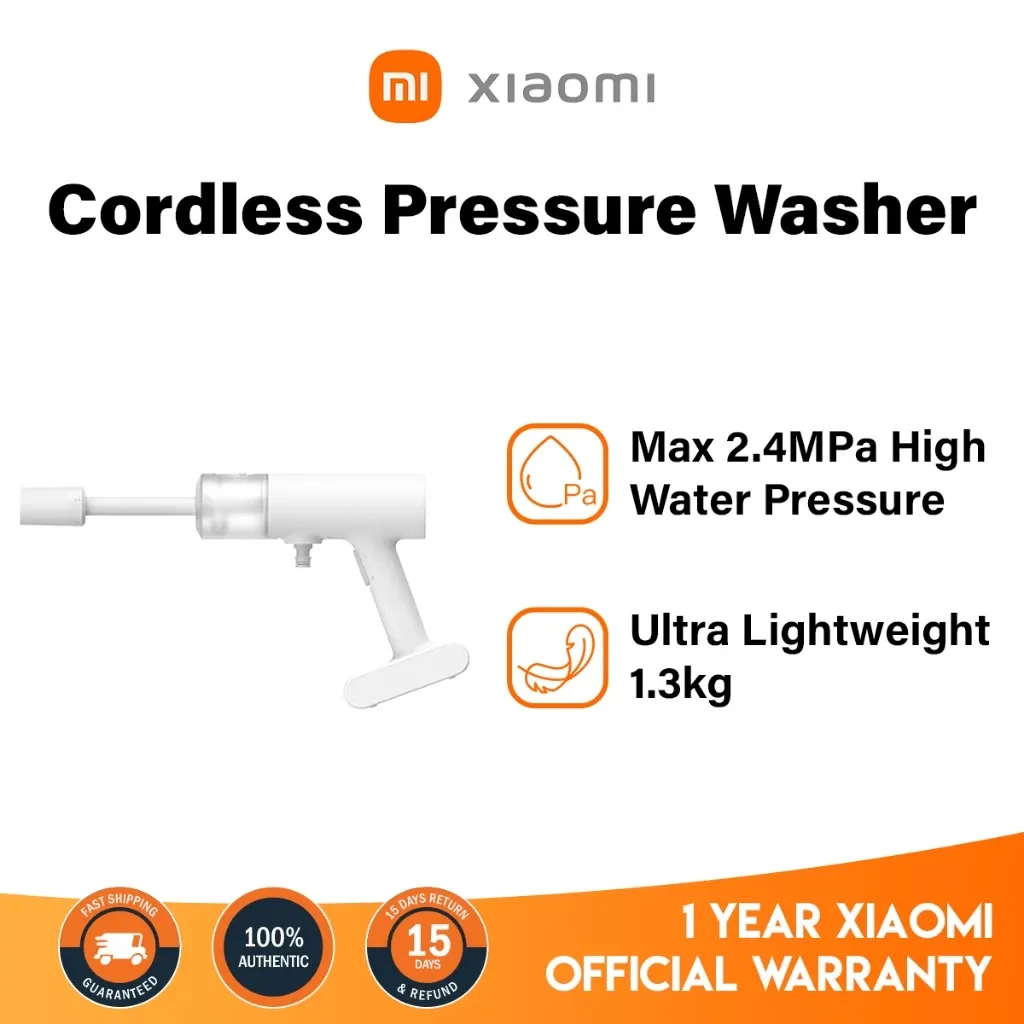
Best Cordless Specs: Xiaomi Cordless Pressure Washer
₱4,200as of Aug 7, 2026
Read our review of the Xiaomi Cordless Pressure Washer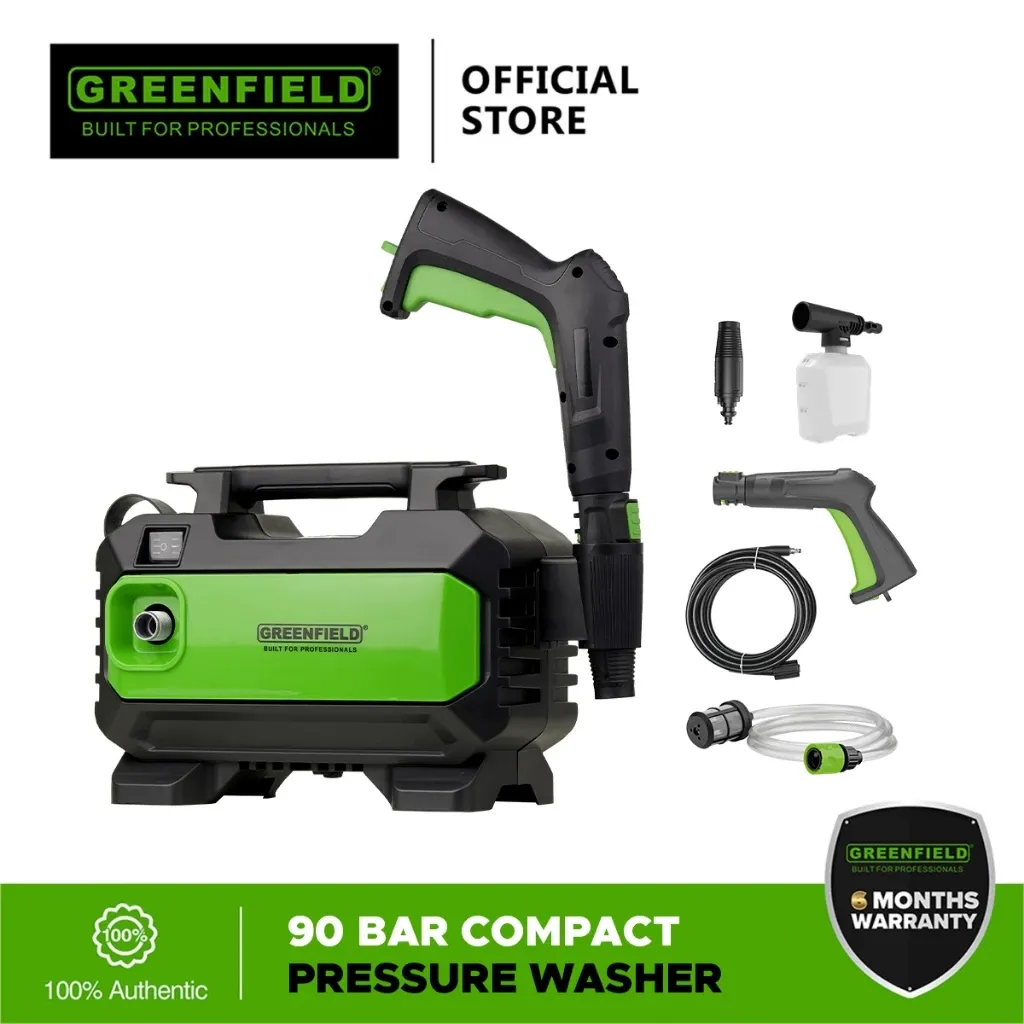
Best Budget Branded: Greenfield Compact Self-Priming Pressure Washer 90 Bar
₱2,900as of Aug 7, 2026
Read our review of the Greenfield Compact 90 Bar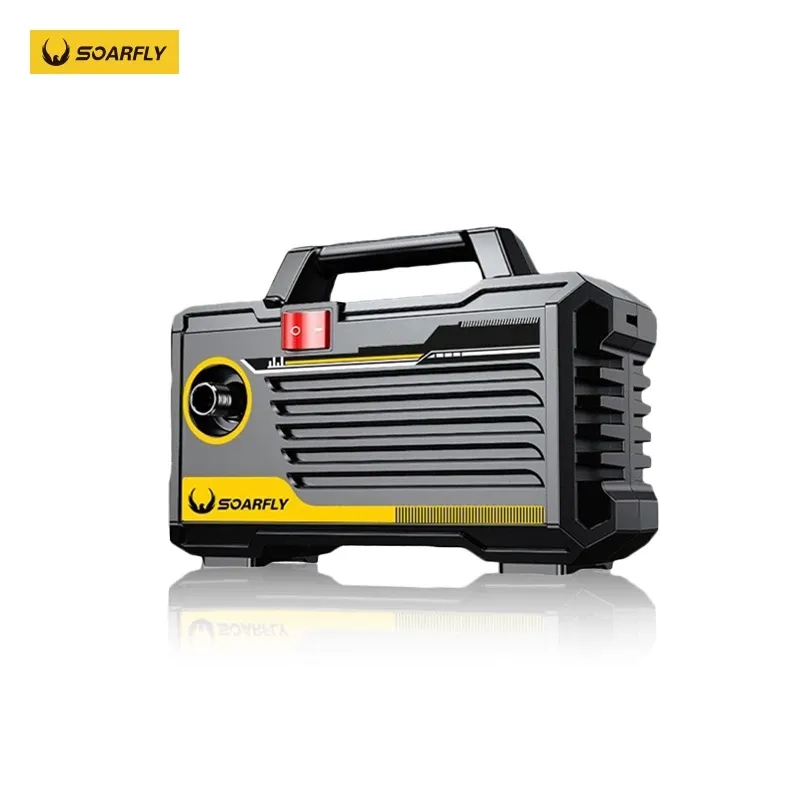
Best Budget: SOARFLY 3800W Water Jet Pressure Washer
₱1,900as of Aug 7, 2026
Read our review of the SOARFLY 3800W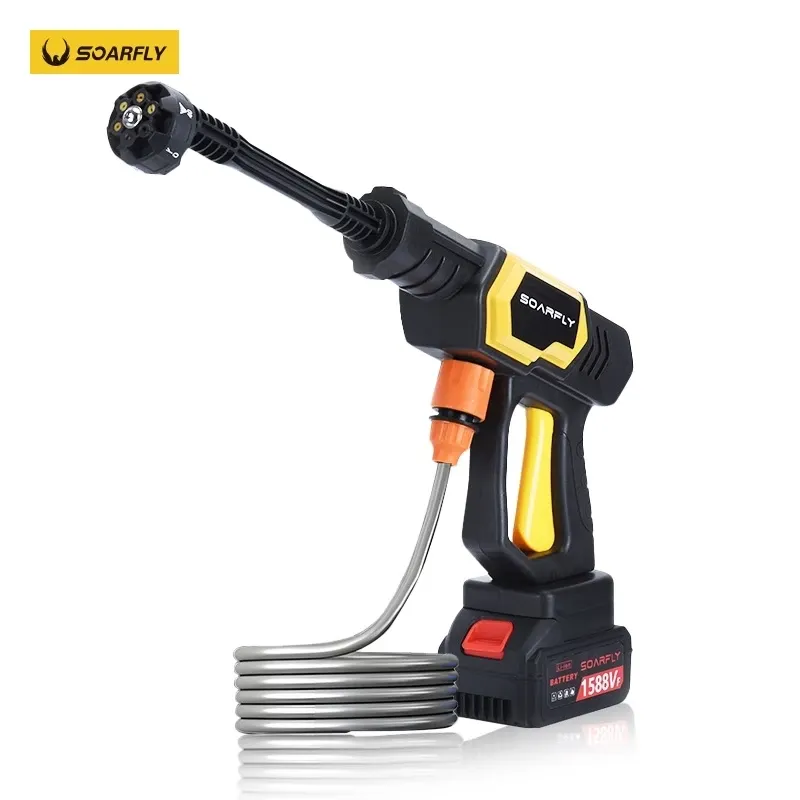
Best Budget Cordless: SOARFLY 688VF Cordless Pressure Washer
₱1,200as of Aug 7, 2026
Read our review of the SOARFLY 688VFTop picks compared
Swipe the table sideways to see Max pressure and Rated power.
| # | Product | Award | Price | Shopee rating | Max pressure | Rated power |
|---|---|---|---|---|---|---|
| 1 | Ingco HPWR14008GP | Best Overall | around ₱4,100 | 4.9 ★ | 130 bar (1900 PSI) | 1400W |
| 2 | Lotus LTPW140CX | Best Value | around ₱3,600 | 4.9 ★ | 110 bar | 1400W |
| 3 | Greenfield 110 Bar | Best Pump Build | around ₱3,500 | 4.9 ★ | 110 bar (11 MPa) | 1400W |
| 4 | Powerhouse PH-K5.150 | Best Premium | around ₱5,800 | 4.8 ★ | 150 bar (13 MPa) | 1700W |
| 5 | Ingco HPWR20018P | Best for Heavy Duty | around ₱7,400 | 4.9 ★ | 160 bar (2320 PSI) | 2000W |
| 6 | Karcher K 2.360 | Best Branded | around ₱7,900 | 4.9 ★ | 120 bar | 1400W |
| 7 | BLACK+DECKER PW1450TD-B1 | Best Flow Rate | around ₱4,100 | 4.9 ★ | 105 bar (1512 PSI) | 1400W |
| 8 | Greenfield 140 Bar | Best Sustained Pressure | around ₱4,900 | 4.9 ★ | 145 bar (14.5 MPa) | 1800W |
| 9 | Ingco HPWR16008P | Best Mid-Range | around ₱5,200 | 4.8 ★ | 140 bar (2030 PSI) | 1600W |
| 10 | Lotus X2-110SE | Best Ingress Rating | around ₱3,600 | 4.9 ★ | 110 bar | 1400W |
Prices are Shopee PH listings as of each product's last check. See the linked reviews for dates. Ratings are the Shopee listings' own owner ratings, not our score.
A pressure washer is one of the few tools that pays for itself in a season of carwash trips. It is also a category where the listings lie more than almost anywhere else on Shopee PH, so the ranking below leans hard on figures we could verify with the manufacturer.
We threw most of the catalog away
We started from the affiliate catalog for the category and threw most of it away. Forty-one of the sixty-one pressure washer listings we pulled were SOARFLY machines from two storefronts, largely the same handful of units relisted under different headline numbers. We kept one per distinct spec claim and dropped the rest.
For everything else we ranked on:
- Verified pressure, in bar, from manufacturer documentation rather than the Shopee title.
- Flow rate in L/min, because rinsing is most of the work.
- Build detail that the maker actually publishes: pump construction, motor windings, thermal protection, ingress rating.
- Self-priming, weighted heavily for Philippine conditions.
- Owner ratings on the live listing, as a sanity check rather than a ranking factor.
- Local service and spares, which decide whether a failed pump is a repair or a write-off.
Where a listing’s claim conflicted with the manufacturer’s own figure, we went with the manufacturer and said so in the review.
How much bar for a car or a wall?
Pressure (bar). The number that decides what you can clean. 90 to 110 bar covers vehicles. 130 bar and up handles concrete, walls, and moss. Above 150 bar you can damage paint, grout, and soft wood.
Rated pressure, not max. Many machines quote a peak they touch briefly. Greenfield and Lotus publish both, and the rated figure is what the pump holds while you work. Read the smaller number.
Flow rate (L/min). Pressure loosens, flow rinses. From 5.5 L/min up is brisk. Karcher quotes L/h, so divide by 60 before comparing.
Self-priming. Can it draw from a drum? In a country where the water goes out, this decides whether you wash on Saturday or not.
Auto stop. Cuts the motor on trigger release instead of letting the pump churn against a closed valve. It is the cheapest insurance a pump can have.
Motor windings and pump material. Pure copper beats aluminium. Stainless steel plungers beat plated ones. Only a few brands here publish either, and that willingness to publish is itself a signal.
The washers that survived our cut
- Best Overall: Ingco HPWR14008GP: a verified 130 bar and 5.5 L/min from 1400W, with copper windings, auto stop and a 5m hose, around ₱4,100.
- Best Value: Lotus LTPW140CX: self-priming, 6.5 L/min, the fullest accessory kit here and more owner ratings than anything else in the category, around ₱3,600.
- Best Premium: Powerhouse PH-K5.150: 150 bar with 6.8 L/min, rated for 60Hz mains and backed by a stated 6-month warranty, around ₱5,800.
- Best Budget Branded: Greenfield Compact 90 Bar: self-priming on a gentle 1200W draw from an established PH brand, around ₱2,900.
- Best Cordless: Ingco CPWLI20362 kit: battery included and washes straight from a balde, around ₱3,600.
New to the category? Start with our pressure washer buying guide, which walks through bar, flow rate, and the spec claims worth distrusting.
Pros and cons of our top picks
- 1
Ingco HPWR14008GP High Pressure Washer 1400W
✓ Pros
- 130 bar from a 1400W motor is the best pressure-per-watt figure in this roundup
- Auto stop cuts the motor when you release the trigger, which saves the pump
✗ Cons
- Carbon brush motor wears and eventually needs brushes replaced, unlike induction motors
- No wheels, so it gets carried by its handle
- 2
Lotus LTPW140CX Self-Priming Pressure Washer 1400W
✓ Pros
- Self-priming, so it pulls from a drum when the tap pressure drops
- The best flow rate among the 1400W units here at 6.5 L/min, so rinsing is quick
✗ Cons
- Rated pressure is 80 bar; the 110 bar figure is a peak, not what it sustains
- No wheels, so it is carried rather than rolled
- 3
Greenfield Self-Priming Pressure Washer 110 Bar
✓ Pros
- Stainless steel plungers in a 3-piston wobble plate pump, which is a real pump spec at this tier
- Thermal protector shuts it down before the motor cooks, a genuine safety feature
✗ Cons
- Rated pressure is only 75 bar, so the 110 bar headline flatters it
- 6.3kg with no wheels is a genuine two-hand carry
- 4
Powerhouse PH-K5.150 High Pressure Washer 1700W
✓ Pros
- The best pressure-and-flow combination here: 150 bar alongside 6.8 L/min
- Rated for 60Hz, which is what Philippine mains actually runs at
✗ Cons
- 1700W on top of 150 bar makes this a demanding load for an old circuit
- At this pressure it will strip paint and damage grout if used carelessly
- 5
Ingco HPWR20018P High Pressure Washer 2000W
✓ Pros
- The highest verified pressure in this roundup at 160 bar
- Best flow rate here too at 6.0 L/min, so it rinses as fast as it strips
✗ Cons
- 2000W is a heavy draw for an older house circuit shared with other appliances
- The 5m hose is no longer than the cheaper models, so there is no extra reach
- 6
Karcher K 2.360 Pressure Washer 120 Bar
✓ Pros
- The highest verified pressure here at 120 bar, with a real German brand behind the figure
- Wheels and a pull handle, so you drag it around the carport instead of carrying it
✗ Cons
- A 360 L/h flow rate is modest, so rinsing a big SUV takes longer than the pressure suggests
- Not self-priming, so it needs a pressurised tap and cannot draw from a drum or balde
- 7
BLACK+DECKER PW1450TD-B1 Pressure Washer 1400W
✓ Pros
- The highest flow rate in this roundup at 7.1 L/min, so rinsing is genuinely fast
- Built-in hose reel is the only one here, and it ends the tangled-hose problem
✗ Cons
- 105 bar is the lowest pressure of any corded branded unit here
- Only a 3m hose, so the machine moves with you around the car
- 8
Greenfield Self-Priming Pressure Washer 140 Bar
✓ Pros
- A 100 bar rated pressure is the highest sustained figure in this roundup
- The 1800W motor holds pressure on long jobs instead of sagging
✗ Cons
- At 8.7kg it is the heaviest unit here and still has no wheels
- Flow rate is actually lower than the cheaper 110 bar model
- 9
Ingco HPWR16008P High Pressure Washer 1600W
✓ Pros
- 140 bar handles caked mud and mossy walls that a 90 bar unit just wets
- Same 5.5 L/min flow as the 1400W model, so the extra watts go into pressure
✗ Cons
- Costs meaningfully more than the 1400W sibling for 10 more bar
- Flow rate does not improve over the cheaper model, so rinsing is no faster
- 10
Lotus X2-110SE Pressure Washer 1400W
✓ Pros
- IPX5 rating is published, which almost nothing else in this price band bothers to state
- Same 110 bar and 6.5 L/min peak as the LTPW140CX
✗ Cons
- Rated pressure is 80 bar, so 110 bar is a peak figure only
- Overlaps almost exactly with the LTPW140CX, which makes the choice confusing
The rest of the ranking
These made the list without making the top 10. Each one has a full review of its own.
- Karcher K 2 CompactBest Compact
- Ingco CPWLI20362 KitBest Cordless
- Xiaomi Cordless Pressure WasherBest Cordless Specs
- Ingco CPWLI2036
- Greenfield Compact 90 BarBest Budget Branded
- Wadfow WHP3A12P
- BLACK+DECKER BEPW1600-B1
- SOARFLY 3800WBest Budget
- SOARFLY 688VFBest Budget Cordless
- SOARFLY 4800W
- SOARFLY 70000PA
- SOARFLY 900000PA
- SOARFLY 5200W
- SOARFLY 5800W
- Eagle EHPW-307C
Frequently Asked Questions
How much pressure do I actually need?
For cars and motorbikes, 90 to 110 bar is plenty. For a concrete driveway, perimeter walls, or moss, you want 130 bar and up. Above 150 bar you are into territory that strips paint and blows grout out of tiled walls, so more is not automatically better.
Why do cheap listings claim 4800W or 5200W?
Because a big number sells. At 220V, 4800W would draw about 22 amps, more than a household outlet supplies. The documented machines here reach 150 to 160 bar on 1700W to 2000W. Treat any wattage above about 2000W on a consumer washer as marketing, not measurement.
What does self-priming mean and do I need it?
A self-priming pump can pull water up from a drum, balde, or tank instead of needing a pressurised tap. If water interruptions are common where you live, or your mains pressure is weak, it is the single most useful feature on this page. The Lotus, Greenfield, Wadfow, and BLACK+DECKER PW1450TD-B1 units all have it; the Karchers do not.
Is flow rate as important as pressure?
Close to it. Pressure lifts the dirt, flow carries it away. A high-pressure, low-flow machine keeps blasting the same spot while loosened grime settles back. Anything from 5.5 L/min up rinses a car briskly. Note that Karcher quotes L/h, so 360 L/h is 6 L/min.
Are cordless pressure washers worth buying?
As a second washer, yes. They run off a bucket with no tap and no socket, which is genuinely useful during a water interruption or away from the house. But at roughly 24 bar they rinse and foam rather than strip. If it will be your only washer and you own a car, buy corded.
What does a pascal figure like 70000Pa mean?
Divide by 100,000 to get bar. So 70000Pa is 0.7 bar and 900000Pa is 9 bar, both far below the 90 to 160 bar that real washers produce. When a listing quotes pascals instead of bar or PSI, the number is decoration rather than a specification.
Disclosure: Product Choicest is reader-supported. We may earn a commission when you buy through our Shopee links, at no extra cost to you. Read affiliate disclosure.