
Omron HEM-7140T Blood Pressure Monitor vs Sinocare ARM-30E+ Blood Pressure Monitor
Buy the Omron HEM-7140T if the readings will guide treatment: it is clinically validated, which the Sinocare is not. Buy the Sinocare ARM-30E+ for home tracking on a budget, where its big 3.6-inch screen and 99 readings per user do more day to day.
The Omron HEM-7140T Blood Pressure Monitor is our top blood pressure monitors pick. On value, the Sinocare ARM-30E+ Blood Pressure Monitor costs less (₱499 vs ₱2,500), and both share a 4.9★ owner rating.
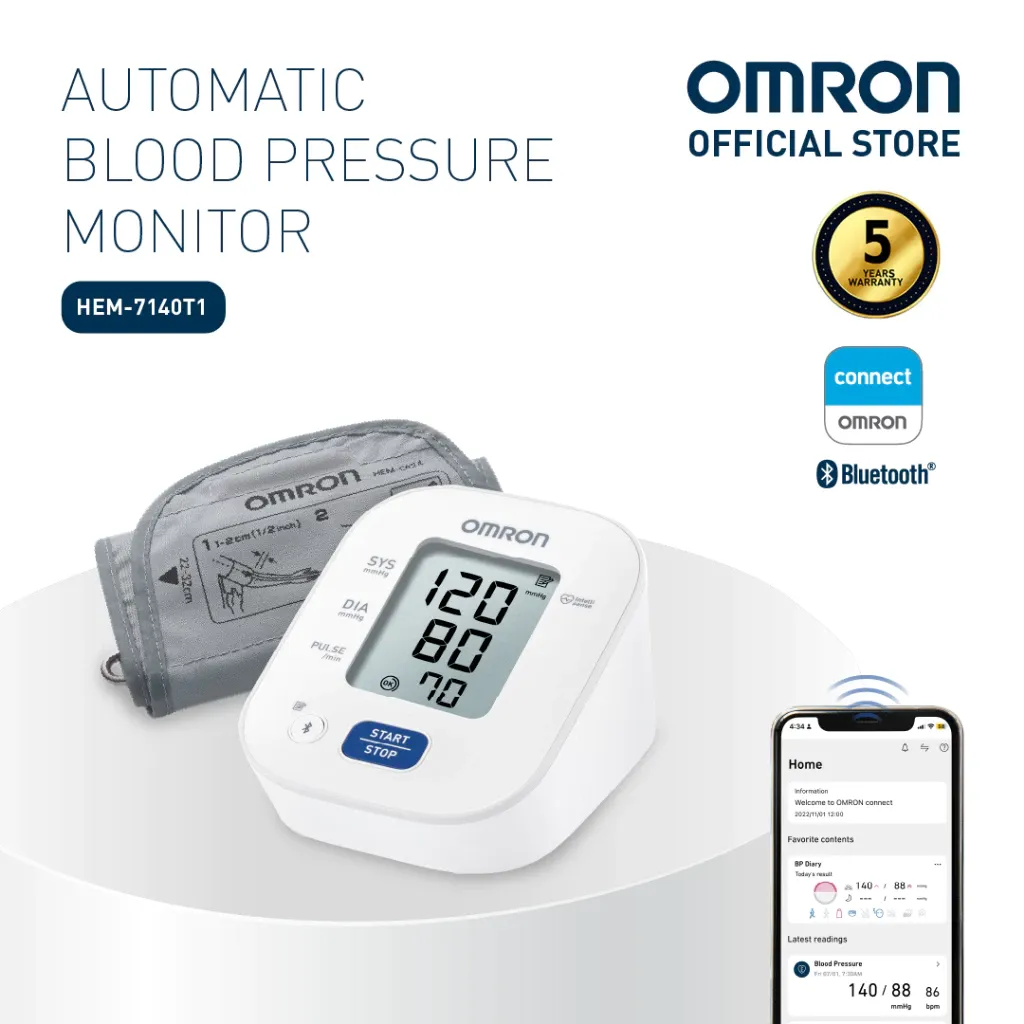
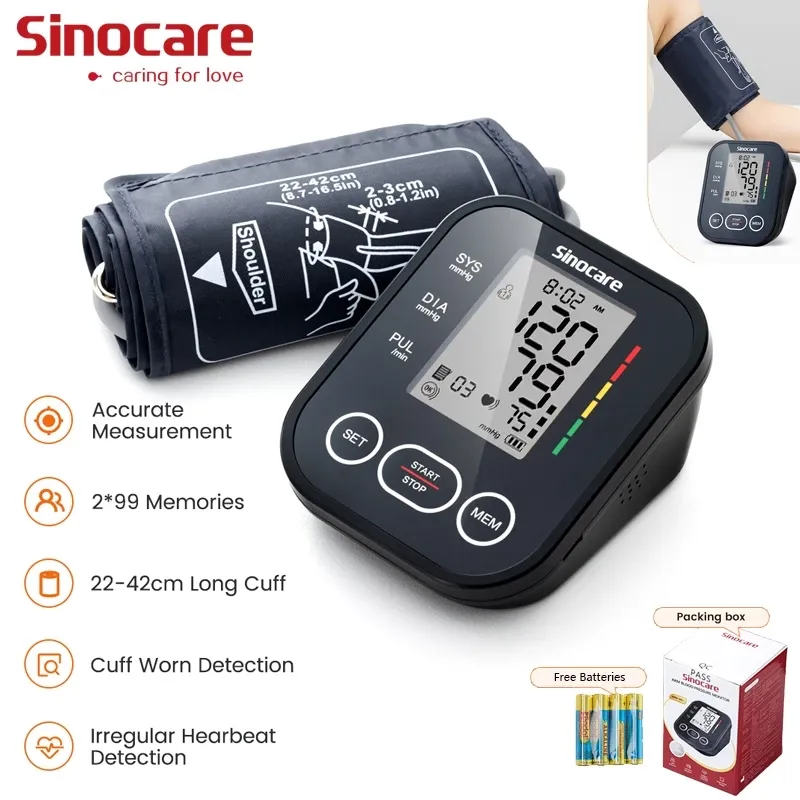
Spec-by-spec
| Spec | Omron HEM-7140T Blood Pressure Monitor | Sinocare ARM-30E+ Blood Pressure Monitor |
|---|---|---|
| Shopee rating | 4.9★ | 4.9★ |
| Price | ₱2,500 | ₱499 |
| Type | Automatic upper-arm blood pressure monitor | Automatic upper-arm blood pressure monitor |
| Cuff size | 22–42 cm | 22–42 cm (upper arm) |
| Memory | 14 readings | 2 users × 99 readings |
| Measurement | Oscillometric | Oscillometric |
| Irregular heartbeat | Yes | Yes (up to 3 alerts) |
| Connectivity | Bluetooth + OMRON connect app | – |
| Display | – | LCD |
| Power | – | 4 × AAA batteries, or USB (DC 5V) |
| Accuracy | – | ±3 mmHg (pressure), ±5% (pulse) |
One of these costs about five times the other. The expensive one is not five times better at measuring, but it is the only one of the two you can put in front of a doctor without a caveat.
Does the validation gap matter for you?
The Omron is clinically validated. The Sinocare is not.
Validation means an independent protocol checked the monitor against a reference standard. It is the reason clinicians ask for Omron by name, and it is the reason our roundup puts it first even though the Sinocare is a genuinely good product.
Here is the honest way to use that fact. If a doctor is adjusting medication based on your home readings, the difference is worth every peso. If you are keeping an eye on your numbers because a check-up came back borderline, the Sinocare’s stated accuracy of plus or minus 3 mmHg is the normal home standard and will show you the trend perfectly well.
Which one is easier to read and live with?
The Sinocare, and by more than the price gap suggests.
- A 3.6-inch screen with oversized digits. You can read it from the doorway. The Omron’s display is ordinary by comparison.
- 99 readings for each of two users, kept on the device. The Omron holds 14, then starts overwriting.
- Runs on four AAAs or Type-C USB. Plug it in on a side table, or take the batteries and travel with it.
- Up to three irregular-heartbeat alerts flagged during a measurement.
The Omron’s answer to the memory limit is Bluetooth and the OMRON connect app, which works well if you will genuinely use it. Left unpaired, a two-week memory is a real limitation for anyone told to log readings for a month.
Which one for a household where nobody uses apps?
The Sinocare. This is the pattern we see most: a monitor bought for a parent, never paired to a phone, and asked to keep a written-down history. On that job the Sinocare’s 99-reading dual-user memory and large digits beat the Omron outright.
Buy the Omron in that household only if you will do the pairing yourself and check the app for them.
What neither of these will do
Neither monitor diagnoses anything. Both are oscillometric arm monitors, which means they estimate pressure from the vibrations in your artery rather than listening to it the way a nurse does with a cuff and stethoscope. Single high readings are common and usually mean you moved, talked, or measured too soon after coffee. Sit still for five minutes, keep the cuff level with your heart, and judge on the pattern across a week.
Read the full Omron HEM-7140T review or the Sinocare ARM-30E+ review, and see how they rank against Indoplas in our best blood pressure monitors in the Philippines list.
Which should you buy?
- Choose the Omron HEM-7140T Blood Pressure Monitor if it ranks higher in our roundup.
- Choose the Sinocare ARM-30E+ Blood Pressure Monitor if it costs less (₱499).
Prices shown above were ₱2,500 and ₱499 when we last checked. Shopee is the live source.
Frequently Asked Questions
Is Sinocare accurate enough for home use?
For watching a trend, yes. Sinocare publishes an accuracy of plus or minus 3 mmHg on pressure and 5 percent on pulse, which is the normal specification for a home oscillometric monitor. What it does not have is clinical validation against a reference protocol, which is a different and stronger claim. Use it to spot changes, not to diagnose.
Which monitor stores more readings?
The Sinocare, by a wide margin: 99 readings each for two users, against 14 on the Omron. The Omron expects you to send history to the OMRON connect app over Bluetooth, so its small memory only becomes a problem if you never pair a phone.
Do both fit a large arm?
Yes. Both cuffs cover 22 to 42cm, which fits most adult arms. Measure around the middle of your upper arm before ordering anyway. A cuff that is too tight reports a reading that is too high, and that mistake sends more people to a clinic than any genuine spike.
Which is better for an elderly user?
The Sinocare has the advantage on screen: 3.6 inches with oversized digits, which is easier across a room or with weaker eyesight. If your parent is on blood-pressure medication and a doctor is reviewing home readings, buy the Omron regardless and set the app up yourself.
See both ranked in our Best blood pressure monitors in the Philippines (2026), or compare other blood pressure monitors. Read the Omron HEM-7140T Blood Pressure Monitor review. Read the Sinocare ARM-30E+ Blood Pressure Monitor review.
Disclosure: Product Choicest is reader-supported. We may earn a commission when you buy through our Shopee links, at no extra cost to you. Read affiliate disclosure.