
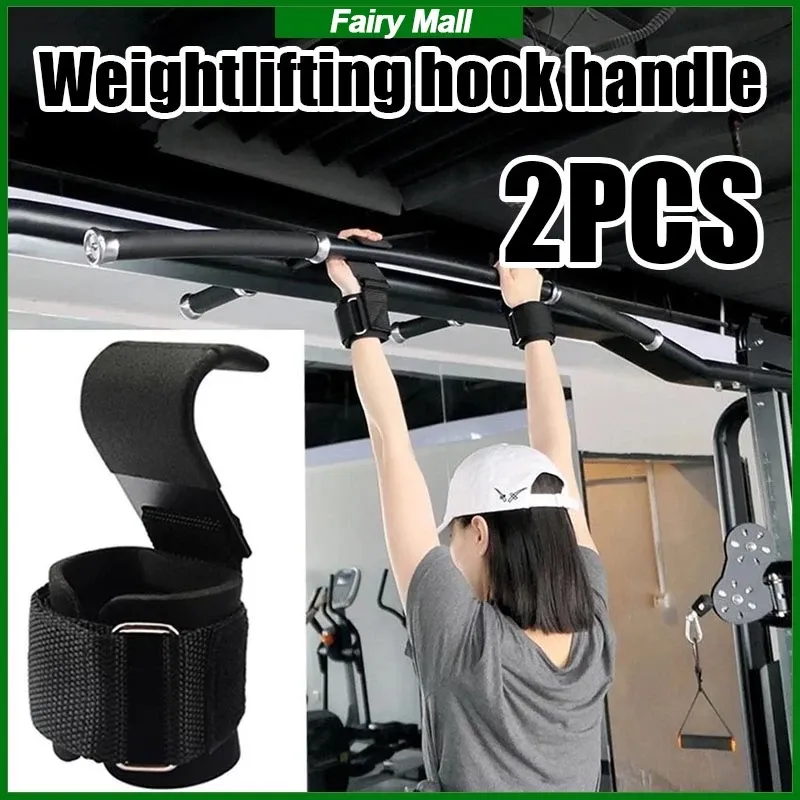
Weight lifting hooks review
How we reviewed this: we read the Shopee PH listing, checked the listed specs, and went through 275 owner ratings.
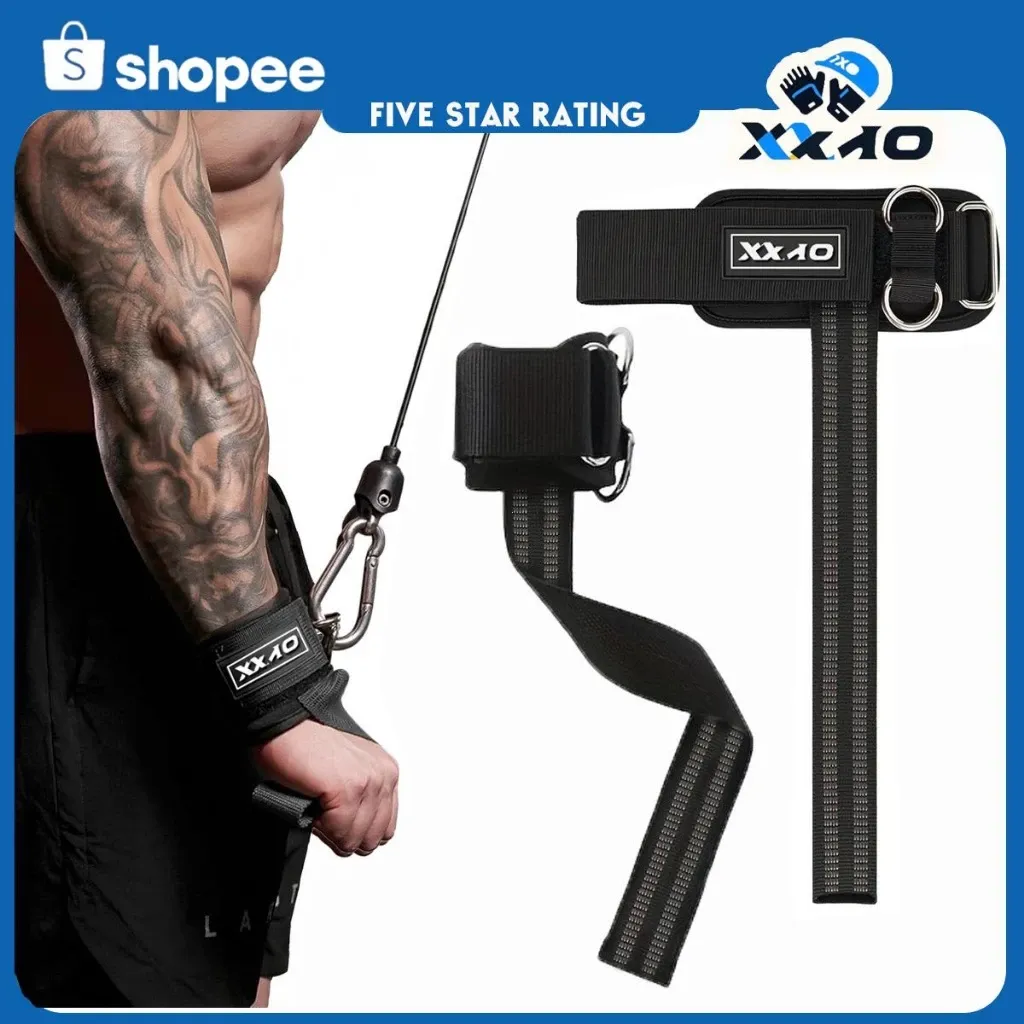
Weight Lifting Hooks with Wrist Straps (2-Pack)The cheapest way to take grip out of a pull completely, as long as you understand that the load has to go somewhere, and that somewhere is your wrist.
- Price: ₱148 as of Aug 22, 2026
- Biggest pro: Hooks take grip out of the equation on heavy pulls
- Main catch: Hooks can reduce natural grip strength if overused
At a glance
| Brand | Generic |
|---|---|
| Type | Lifting hooks |
| Price | ₱148 (as of Aug 22, 2026) |
| Shopee owner rating | 4.8 ★ from 275 Shopee ratings |
| Shop | Fairy Mall |
| Units sold | 887 |
Pros and cons
✓ Pros
- Hooks take grip out of the equation on heavy pulls
- Around ₱148 for a pair, sulit for the assist
- Padded wrist strap spreads the load
✗ Cons
- Hooks can reduce natural grip strength if overused
- No-name build, so check the metal and stitching
- Steel hook puts a bending load on the wrist that a strap does not
Around ₱148 as of August 22, 2026 for a pair, and 887 sold at a 4.8 from 275 Shopee ratings. This is the most assist per peso on this page, and it comes with the most caveats.
Grip goes to zero, and that is the point
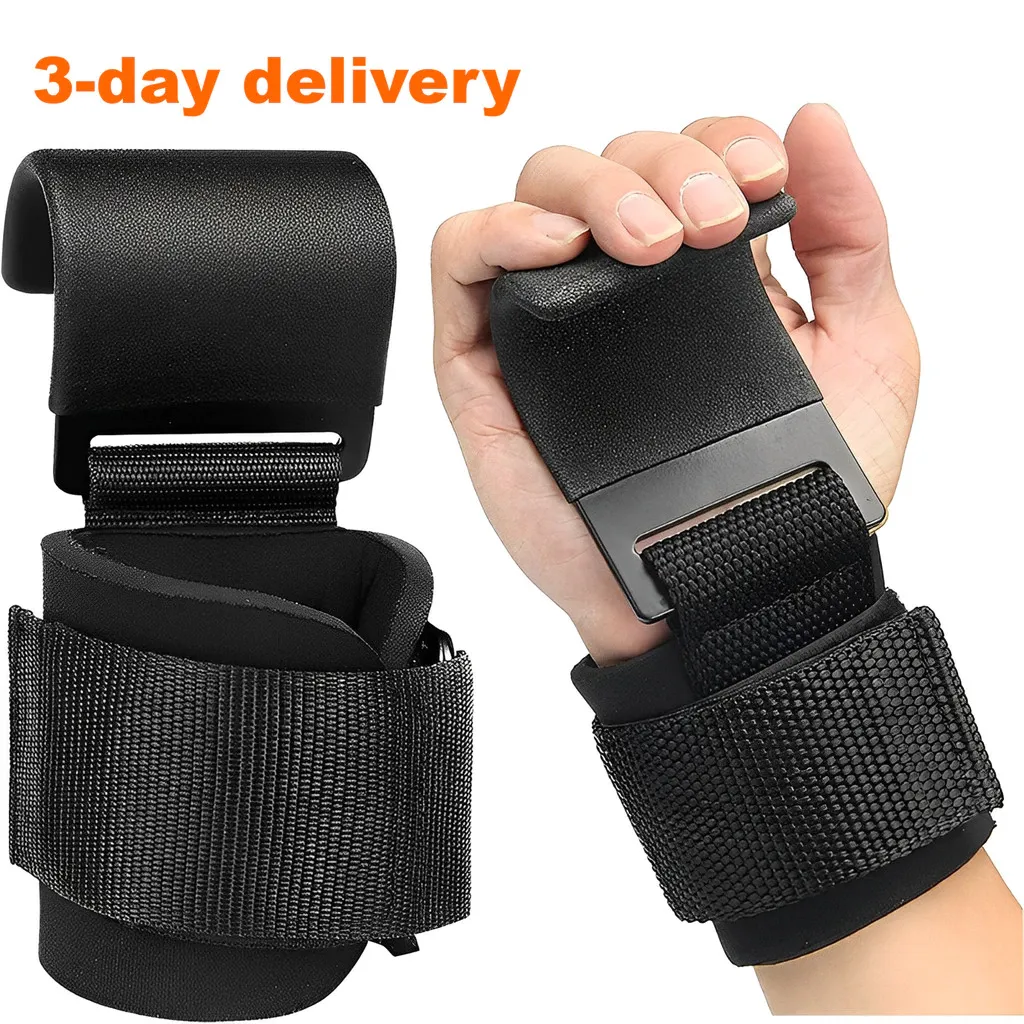
A hook is a steel J on a padded wrist cuff. You lay the hook over the bar and the weight hangs on the metal. Your fingers close around it for position, not for load.
Where that is genuinely useful is high-rep work: a set of 20 shrugs, a long dumbbell row set, a lat pulldown finisher. Those are the sets where your hands fail dozens of reps before the muscle does, and a hook simply removes the question.
It is also the right tool if your hands are the injured part. A torn callus, a healing finger, a thumb you cannot close: a hook lets you keep training your back while your hand recovers.
What your wrist takes instead
Load does not disappear, it relocates. On a strap the pull runs fairly straight down the forearm. On a hook the bar sits forward of your wrist, so the joint takes a bending load, and heavy sets can leave the back of the wrist sore in a way straps do not.
The cuff padding is what stands between the steel and that joint. It is also the part most likely to be thin on a budget pair.
The lifts you cannot do wearing them
This is the limitation people discover late. Anything that needs the bar to move in your hand is out: cleans, snatches, anything you might have to bail from quickly, and any pressing at all. Hooks are for pulling, downward or toward you, and nothing else.
Nor will they teach you anything. A strap leaves some demand on the hand; a hook leaves none, so grip strength does not develop while you wear them. Keep some sets bare-handed.
The weld is the part with no rating
There is no published load rating on this listing, which is normal for the category and still worth naming. The two failure points are the weld or bend where the hook meets its backing plate, and the stitching on the cuff.
Neither fails quietly under load. Check both when the pair arrives, then glance at them before each heavy session, and retire them at the first sign of a spreading hook or a lifting seam.
Who should buy a pair of hooks
Buy these if your training is high-rep back and shoulder work, or if a hand injury is the thing stopping you, and you want the cheapest full-assist option there is.
Skip them if you deadlift heavy singles, if you want to keep training your grip, or if your program involves anything explosive.
Less assist, more control
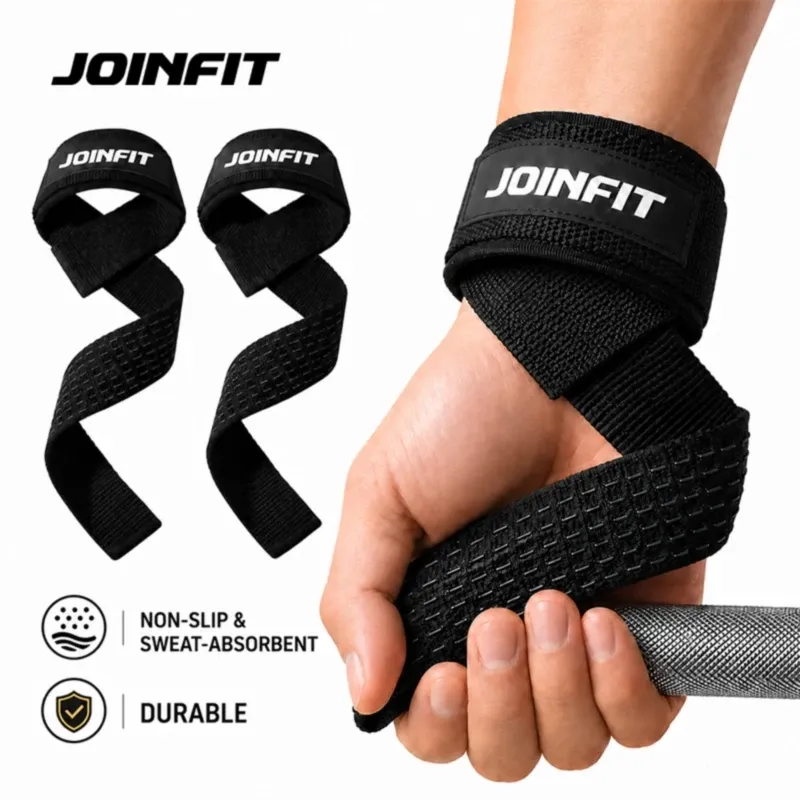
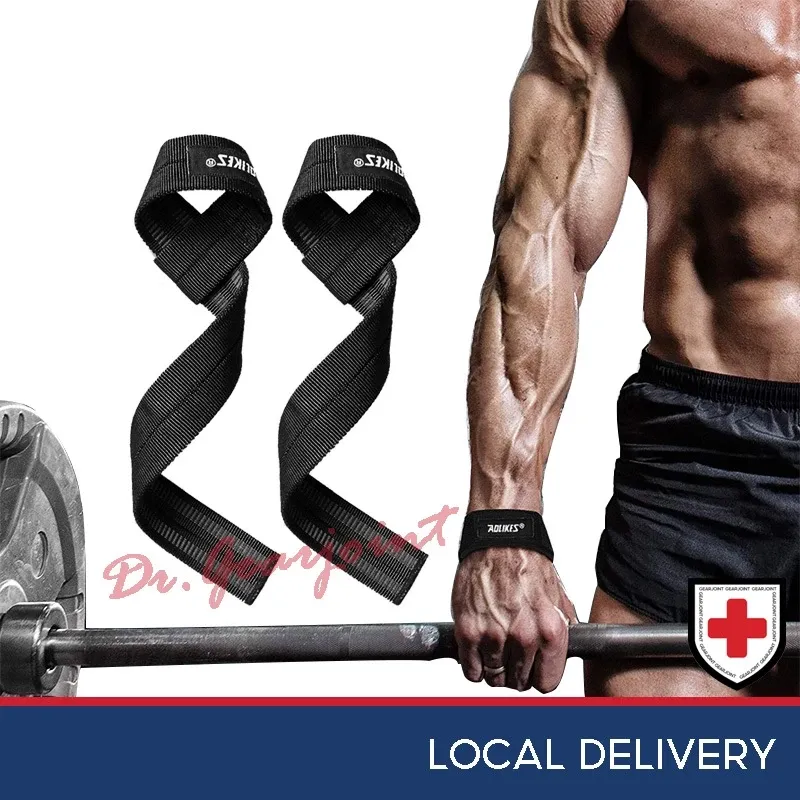
For the middle ground, where your hands still work but do not fail first, the padded lifting straps are the sensible default and cost a little more. The other hook pair here, the Polaris lifting hook grips, does the same job for more money, which is worth knowing before you pick.
Compare Weight Lifting Hooks with Wrist Straps (2-Pack)
See how it compares with the other top picks in our weightlifting wrist straps comparison.
Frequently Asked Questions
What is the difference between lifting hooks and lifting straps?
A strap still needs you to hold the bar while it takes most of the load. A hook is a rigid steel J that sits over the bar, so the weight hangs off the hook and your hand barely closes at all.
Can I deadlift in lifting hooks?
You can, but they are better suited to high-rep shrugs and machine or dumbbell pulling. On a maximal deadlift the bar can roll off an unloaded hook, and the shear load on your wrist is highest exactly when you least want a surprise.
How much weight can these hold?
There is no published figure. This is an unbranded pair, and the weak point is the weld where the hook meets the plate. Look at it before every session and do not use them for maximal attempts.
More weightlifting wrist straps we've reviewed
Every card links to our full review.
Disclosure: Product Choicest is reader-supported. We may earn a commission when you buy through our Shopee links, at no extra cost to you. Read affiliate disclosure.
Lifting Hooks₱148 when last checked
See today's price 🛒