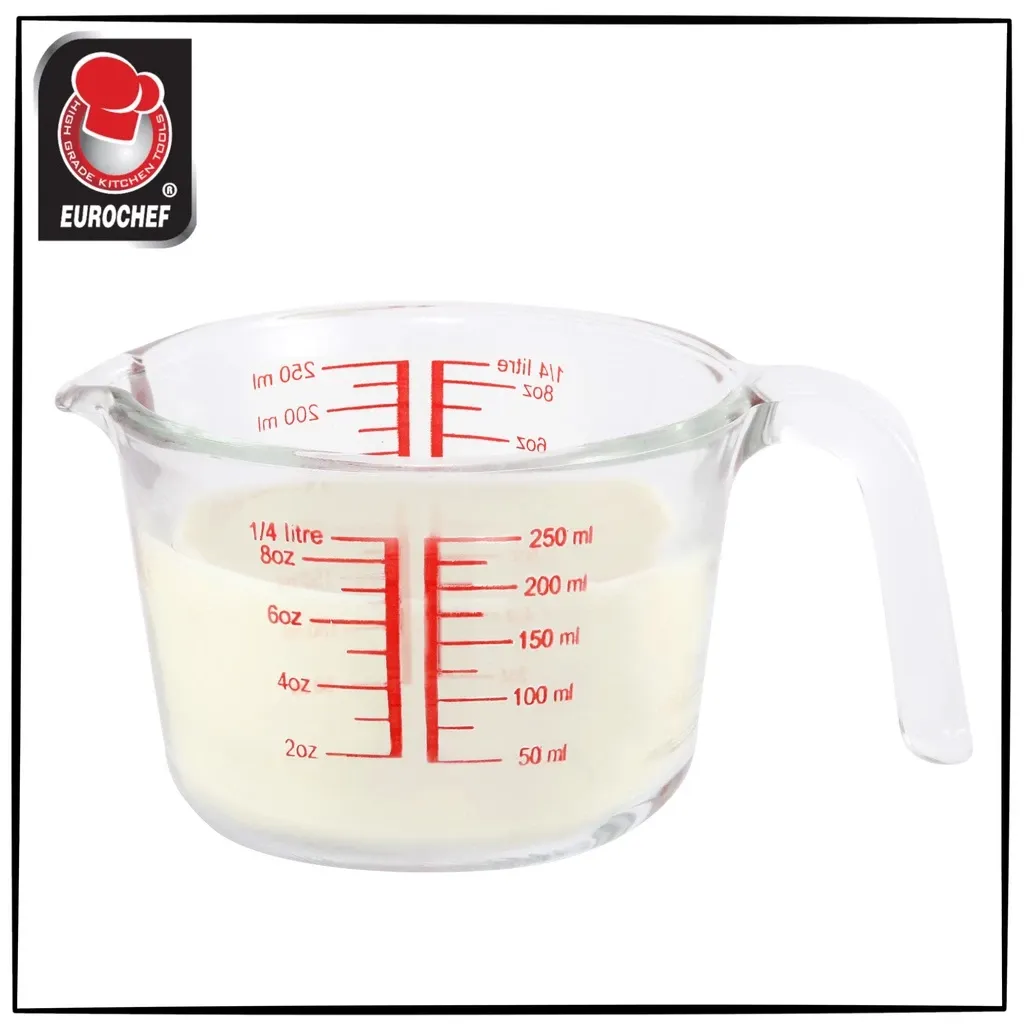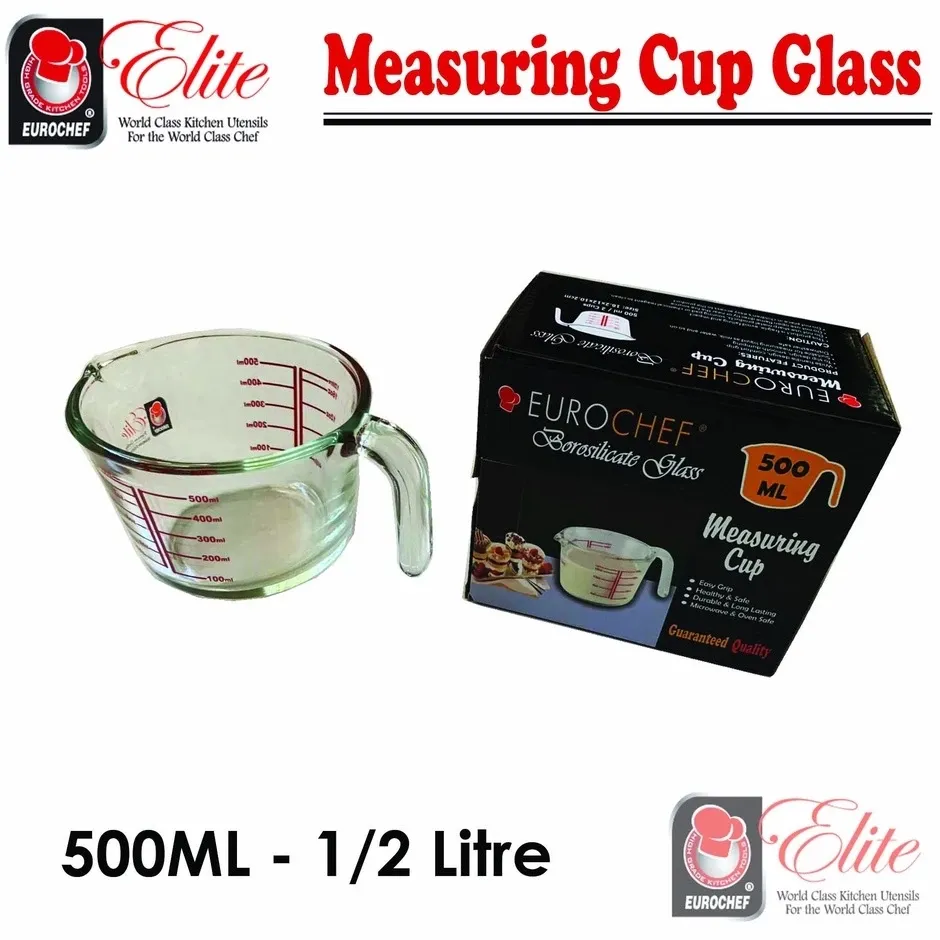
Eurochef 9500 500ml Borosilicate Glass Measuring Cup
₱279as of Aug 19, 2026
COD · Shopee-protected payment

How we reviewed this: we read the Shopee PH listing, checked the listed specs, and went through 523 owner ratings.
Eurochef 9500 500ml Borosilicate Glass Measuring CupThe size most kitchens should own if they are only owning one: big enough for stock and batter, small enough to read a hundred millilitres honestly.
₱279as of Aug 19, 2026
COD · Shopee-protected payment
| Brand | Eurochef |
|---|---|
| Type | Liquid measuring cup |
| Price | ₱279 (as of Aug 19, 2026) |
| Shopee owner rating | 5.0 ★ from 523 Shopee ratings |
| Shop | Eurochef |
| Units sold | 1K+ |
| Type | Liquid measuring cup |
|---|---|
| Material | Borosilicate glass |
| Capacity | 500ml |
A 500ml borosilicate jug at around ₱279 as of August 19, 2026, with a 5.0 rating from 523 Shopee ratings. If you are buying one jug and only one, this is the size.
A measuring jug has two competing jobs and 500ml is where they meet.
It has to hold enough. Stock for a soup, milk for a batter, water for bread: those are a few hundred millilitres, and a 250ml jug means measuring twice and losing count.
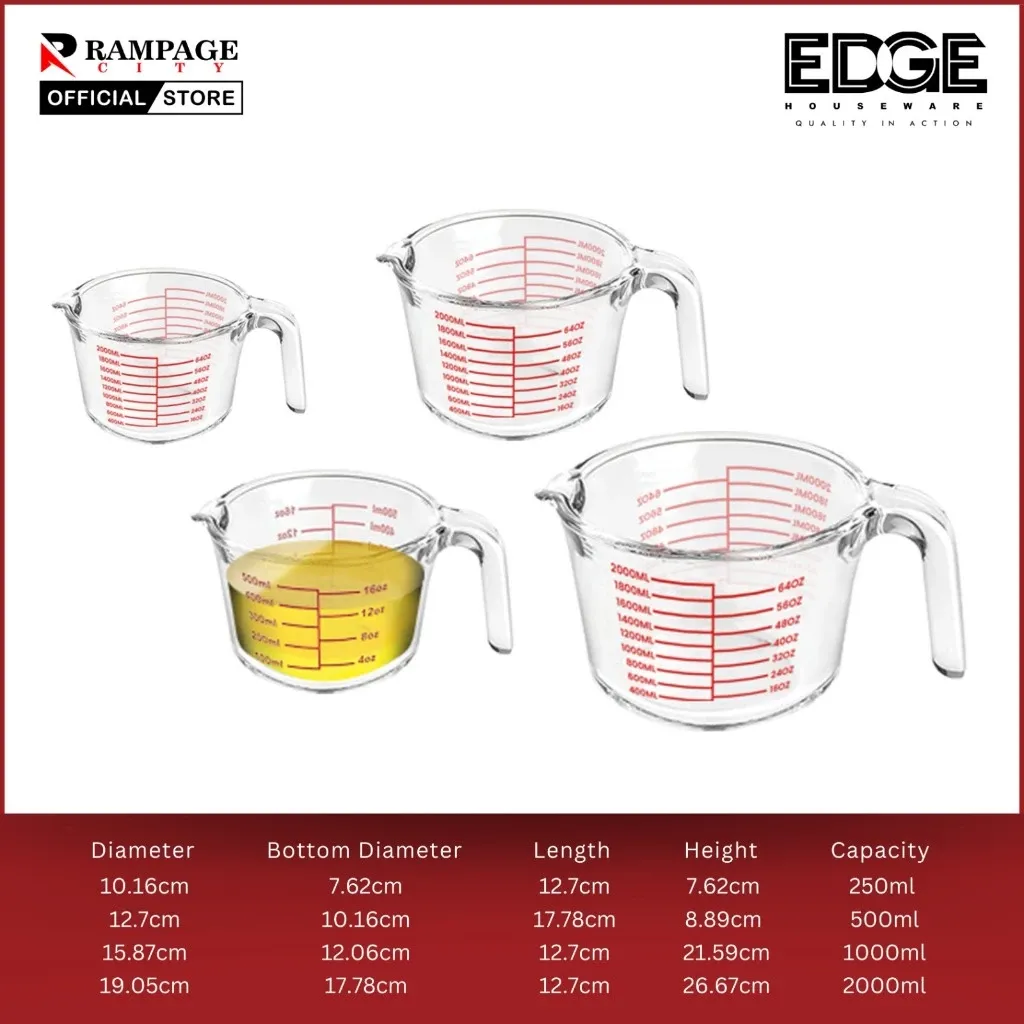
It also has to read accurately at the bottom. In a 1L jug the lower graduations sit in a wide body where a millimetre of liquid height covers a lot of millilitres, so 50ml there is a judgement call. In a 500ml jug the same amount sits a tenth of the way up a narrower vessel and is easy to see.
Five hundred is the compromise that does both acceptably, which is why it is the size most kitchens end up using daily.
Eurochef sells three borosilicate jugs on this page. The 250ml is around ₱232, this 500ml is around ₱279, and the 9100 1L is around ₱399.
Doubling from 250ml to 500ml costs about a fifth more. Doubling again to 1L costs about 43% more. So the middle size is the best value per millilitre in the range, which is unusual and happens to line up with it also being the most useful.
Ordinary glass expands when it heats, and a sudden change cracks it. Borosilicate barely expands, which is why laboratory glass is made of it.
In a kitchen that means melted butter, water hot enough for yeast, hot stock, and a rinse under a hot tap immediately after use. Four jugs on this page name borosilicate; several others say only glass, which is a weaker claim.
Flat surface, crouch down, eye level with the mark. Lifting the jug and looking down at it reads low every time.
And keep flour out of it. A jug has headroom above the top graduation because liquid cannot be levelled, which is exactly what makes it useless for dry ingredients. Those belong in a nested cup swept flat with a knife.
Buy this if you want one glass jug that covers almost everything, you want it in borosilicate, and you would rather not own two.
Skip it only if you measure very small liquid amounts often, where the 250ml is easier to read.
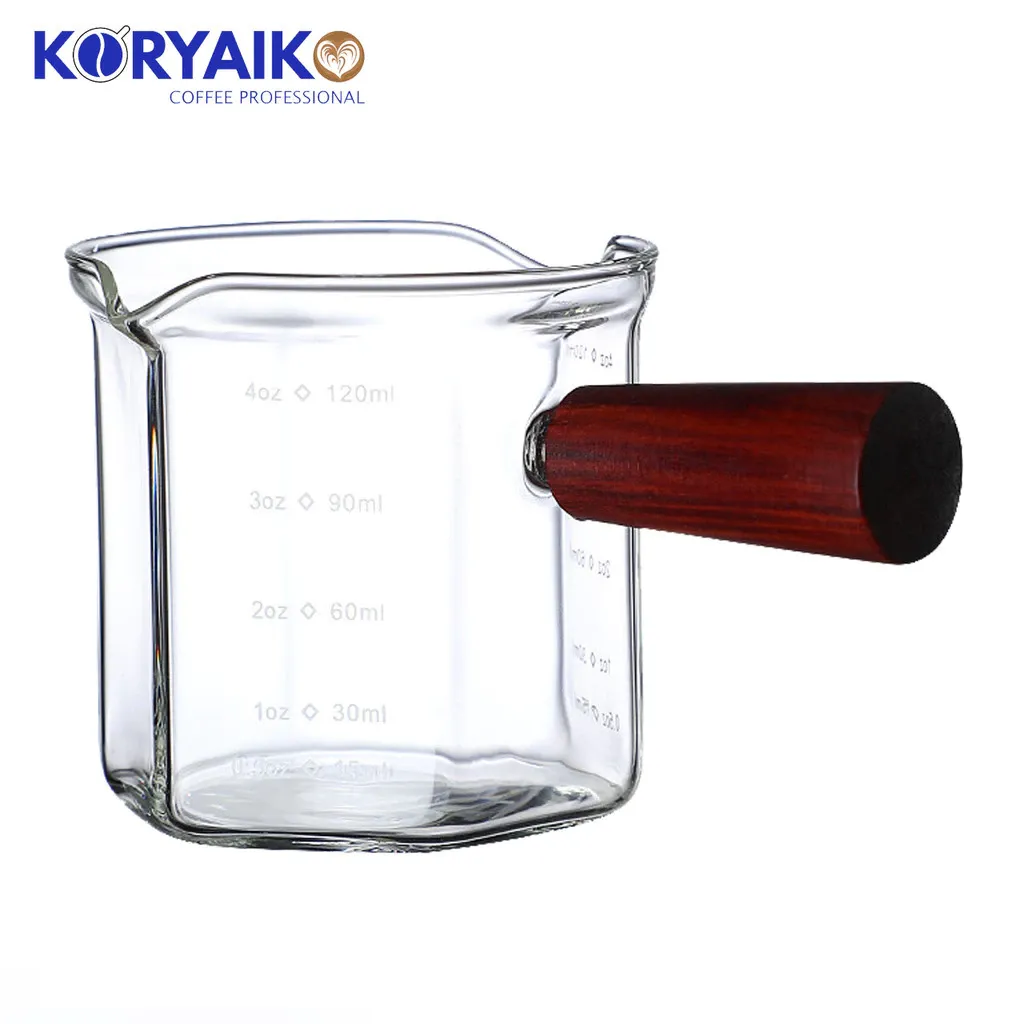
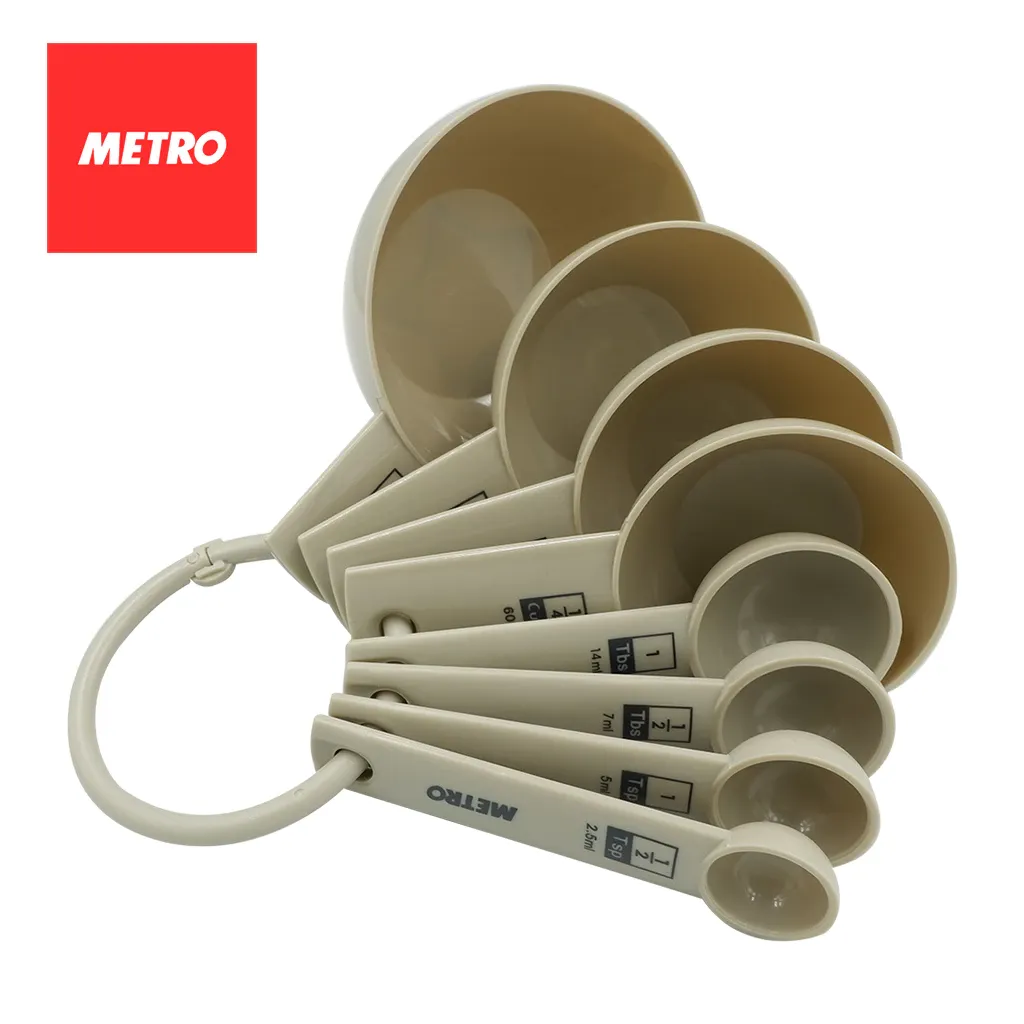
For small amounts, see the Eurochef 250ml borosilicate cup. For dry ingredients, which a jug cannot measure properly, the Eurochef MT019 9-piece set is the other half of the pairing.
See how it compares with the other top picks in our measuring cups comparison.
500ml. It handles most liquid amounts a home recipe asks for while keeping the lower graduations readable, which a 1L jug does not.
Roughly a fifth more than the 250ml and around a third less than the 1L on the same date, so the middle size is also the middle price.
Borosilicate is made for exactly that. It expands very little when heated, so it survives a sudden temperature change that would crack ordinary glass.
Every card links to our full review.
Disclosure: Product Choicest is reader-supported. We may earn a commission when you buy through our Shopee links, at no extra cost to you. Read affiliate disclosure.