
4 Best step ladders in the Philippines (2026)
The Tolsen industrial steel ladder is our Best Overall step ladder on Shopee Philippines, because it is the only one here whose 150kg load rating and folded dimensions come from the manufacturer rather than a listing. We compared the most popular household step ladders on load rating, reach, storage size, and price.
In a hurry? Tolsen Industrial Steel Ladder 150kg (2 to 6 Step) is our top pick for most homes, or go for the ACE 2-Step Ladder (Foldable) at around ₱1,000 if you're on a budget.
Our quick picks
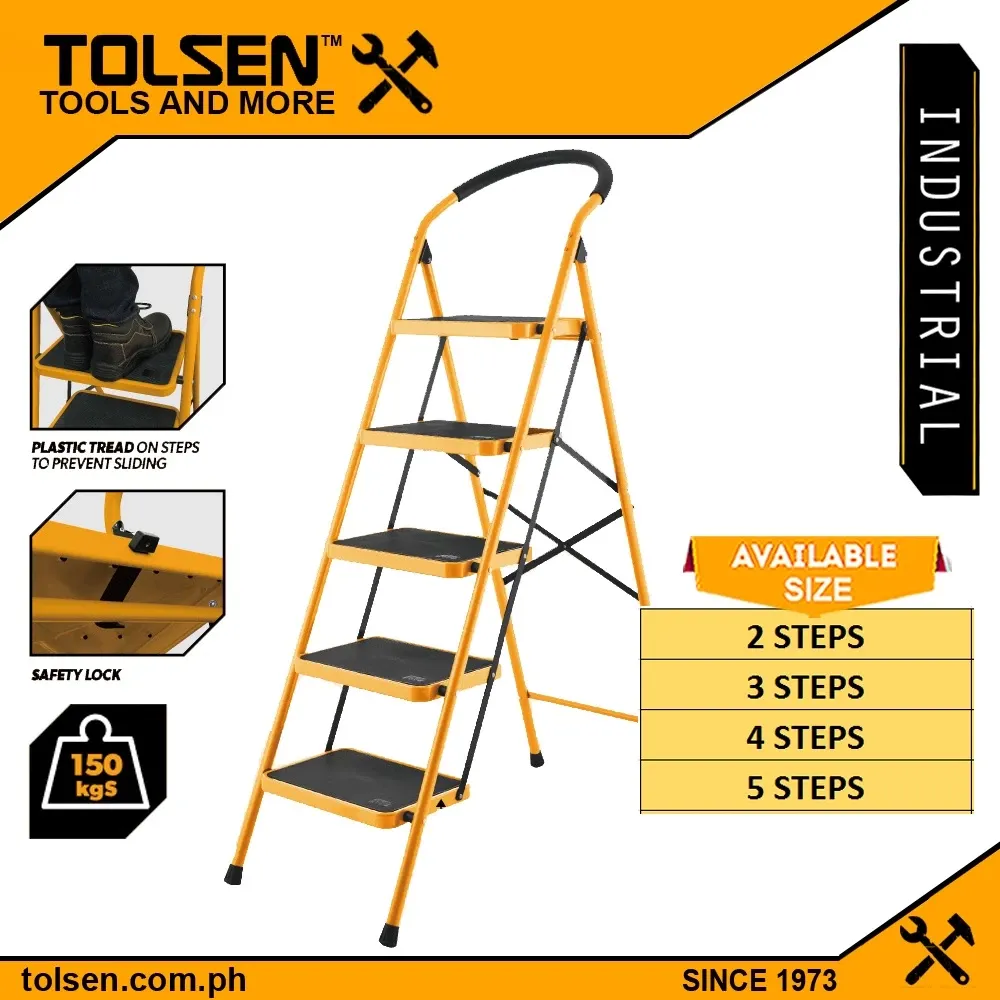
Best Overall: Tolsen Industrial Steel Ladder 150kg (2 to 6 Step)
₱2,500as of Jul 30, 2026
Read our review of the Tolsen Industrial Steel Ladder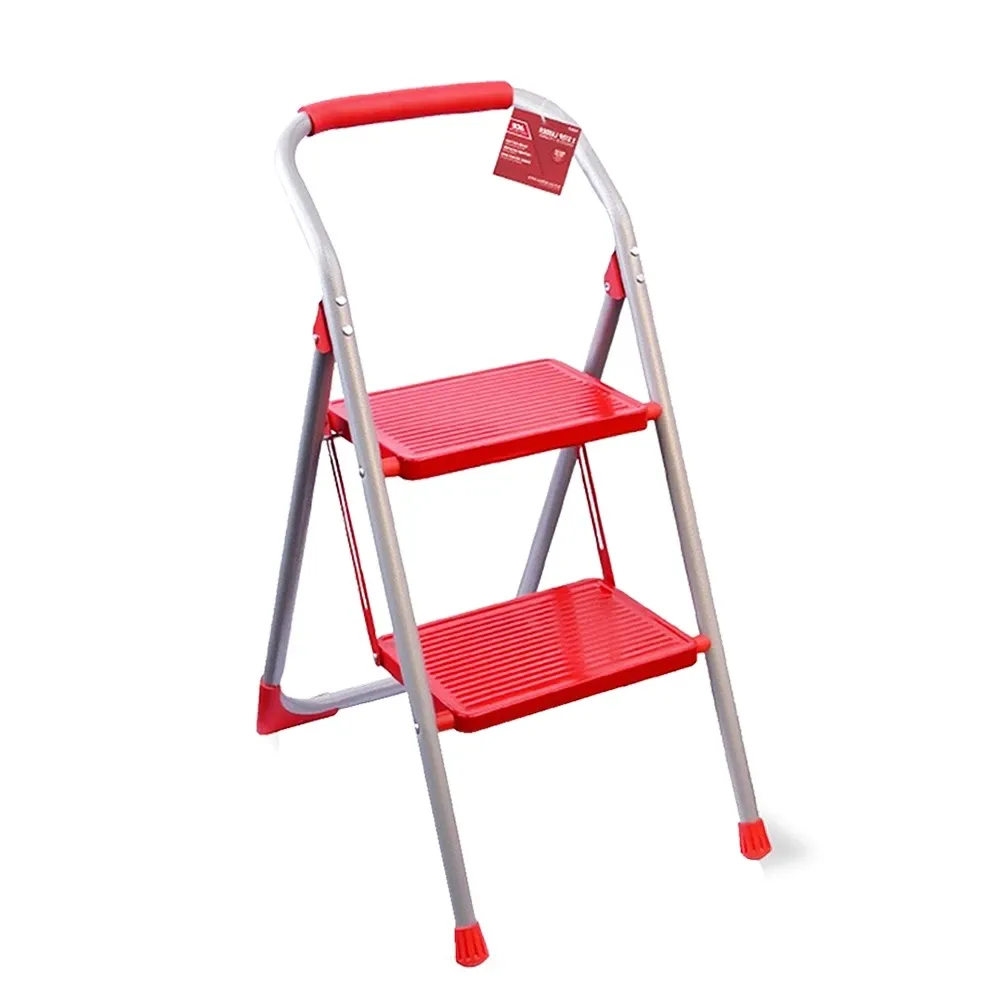
Best Budget: ACE 2-Step Ladder (Foldable)
₱1,000as of Jul 30, 2026
Read our review of the ACE 2-Step Foldable Ladder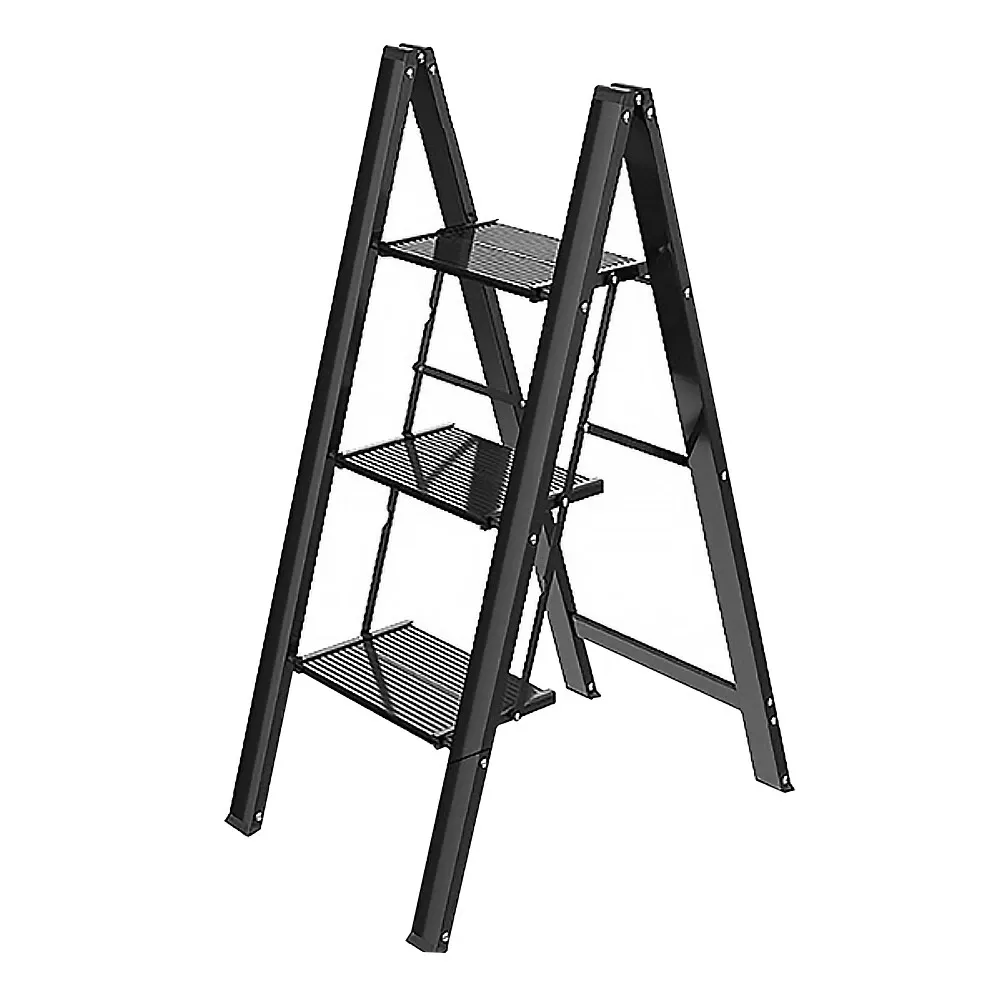
Best for Small Spaces: Locaupin Mini 3 Steps Stool Ladder Foldable Non-Slip
₱1,800as of Jul 30, 2026
Read our review of the Locaupin Mini 3-Step Stool Ladder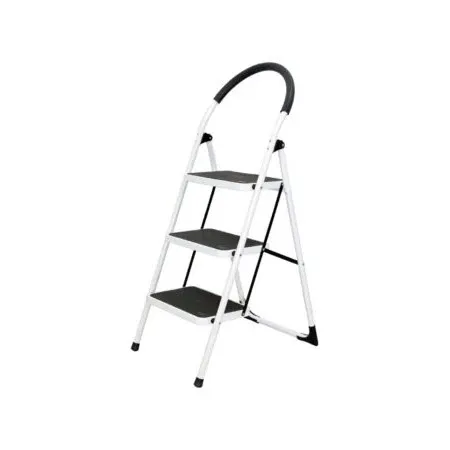
Best Value: Skyler Heavy Duty 3 Steps Household Steel Ladder
₱1,400as of Jul 30, 2026
Read our review of the Skyler 3-Step Steel LadderTop picks compared
Swipe the table sideways to see Max load and Steps.
| # | Product | Award | Price | Shopee rating | Max load | Steps |
|---|---|---|---|---|---|---|
| 1 | Tolsen Industrial Steel Ladder | Best Overall | around ₱2,500 | 4.9 ★ | 150 kg | 2, 3, 4, 5 or 6 (variant listing) |
| 2 | ACE 2-Step Foldable Ladder | Best Budget | around ₱1,000 | 5 ★ | Not specified | 2 |
| 3 | Locaupin Mini 3-Step Stool Ladder | Best for Small Spaces | around ₱1,800 | 4.9 ★ | 150 kg | 3 |
| 4 | Skyler 3-Step Steel Ladder | Best Value | around ₱1,400 | 4.9 ★ | Not specified | 3 |
Prices are Shopee PH listings as of each product's last check. See the linked reviews for dates. Ratings are the Shopee listings' own owner ratings, not our score.
A step ladder is the difference between reaching the top shelf safely and standing on a monobloc chair. Here’s how the most popular household step ladders on Shopee Philippines compare.
Load rating, reach, and foot design
We compared published load ratings, step count and reach, folded dimensions, materials, and foot design, then weighed each against its price. Where a manufacturer publishes real specs we used them; where nobody publishes anything, we say so in the review rather than repeat a listing’s adjective. New to this? Start with our step ladder buying guide.
One finding shaped this whole list: most step ladders sold here publish no load rating at all. Of the five we looked at, only two state a figure. That gap decided the ranking more than any other spec.
How much weight will it really hold?
A published load rating is the spec to insist on, and 150kg is the common figure. “Heavy duty” with no number behind it is marketing. Step count sets your reach: two steps for a 2.2–2.4m ceiling, three for 2.4–2.6m, and anything higher needs a different type of ladder entirely. Folded size decides whether you’ll actually keep it rather than resent it, so check the depth against the gap you plan to store it in. Material is a weight-versus-rust trade: steel is strongest per peso, aluminum is lighter and rust-free for more money, plastic flexes. Finally, look at the feet, because anti-slip rubber tips are what stop a ladder sliding on the polished tile most Filipino homes have.
Ladders rated for real weight
Tolsen industrial steel ladder wins Best Overall at around ₱2,500: a manufacturer-published 150kg rating, full folded dimensions for every step count, and a safety lock. The ACE 2-step foldable ladder is our Best Budget at around ₱1,000, with a perfect 5.0 across 447 sold from Ace Hardware’s own store, though it publishes no rating. For tight storage, the Locaupin mini 3-step stool ladder folds completely flat with a lock and still carries a 150kg rating at around ₱1,800. On the tightest budget per step, the Skyler 3-step steel ladder gives you three steps for around ₱1,400 from a Bulacan maker.
We also looked at an unbranded plastic 3-step folding ladder at around ₱4,500 and left it out of the rankings: it costs roughly triple a rated steel ladder and publishes nothing about what it can hold.
All prices are as of July 30, 2026.
What one step costs across these four ladders
A step ladder’s price is mostly the price of its steps, so dividing one by the other is the quickest way to see what your money buys. Every figure below is the listing price on the day we checked it.
| Pick | Price | Steps | Cost per step |
|---|---|---|---|
| Skyler 3-step steel ladder | around ₱1,400 as of July 30, 2026 | 3 | ₱467 |
| ACE 2-step foldable | around ₱1,000 as of July 30, 2026 | 2 | ₱500 |
| Locaupin mini 3-step | around ₱1,800 as of July 30, 2026 | 3 | ₱600 |
| Tolsen industrial steel ladder | around ₱2,500 as of July 30, 2026 | 3 (see below) | ₱833 |
Read the Tolsen row twice, because it is the one figure here that moves. That listing sells 2 to 6 steps on a single page, and the price applies to the variant you select. If ₱2,500 buys the 3-step, you are paying ₱833 a step, the most of any ranked ladder on this page. If it buys the 6-step, you are paying ₱417 a step, the least. Same listing, same money, and the value nearly doubles depending on which one you tap. Check the variant selector before checkout.
Now the part the arithmetic made obvious. The two cheapest steps on this list come with no published load rating. The Skyler at ₱467 and the ACE at ₱500 both leave that field blank, while the Locaupin at ₱600 and the Tolsen at ₱833 publish 150kg. On a ladder that is the one spec holding you off the floor, so the distance between ₱467 and ₱600 a step is not really a distance in steel. It is the price of knowing.
Do not read it backwards, though, because paying more is no guarantee. The unbranded plastic 3-step folding ladder we left out of the rankings is around ₱4,500 as of July 30, 2026, which works out to ₱1,500 a step, more than three times the Skyler, and it publishes no load rating either. So the honest version of the rule is narrower than it first looks: the cheapest steps here arrive without a rating, and so does the most expensive ladder we looked at.
What 1,479 Shopee ratings say about these four
Between them these four listings carry 1,479 Shopee ratings at a weighted average of 4.9. What makes this page unusual is how evenly that splits.
The Locaupin holds the most at 530 ratings, which is 36% of the total. The Skyler holds the fewest at 250, which is still 17%. The Tolsen sits on 355 and the ACE on 344. No single listing speaks for the whole page, and the smallest sample here is 250 people, which is a real sample rather than an early signal. In plenty of categories we cover, two listings carry most of the ratings and the rest are close to guesses. Not here. You can take all four scores at something near face value.
That makes one result harder to explain away. The perfect score on this page belongs to the ladder with no published load rating. The ACE 2-step rates 5.0 across 344 Shopee ratings, the strongest record of any ladder we looked at, and its listing states neither a load figure nor a material. Ace Hardware sells it from its own store and has branches you can walk into, which is worth real money when a return goes wrong. Both things are true at once: owners are happy with it, and the spec sheet is empty. If you want the rating and the number together, the Locaupin is the one pick that gives you both, at 4.9 from 530 Shopee ratings with a published 150kg.
These are Shopee’s owner ratings, not our own score, and we say so on every page that shows one.
Which of these four fits your job?
Shelves, light switches, curtain rails and bulbs. The ACE 2-step foldable is enough, and it folds thin enough to live behind a door. Two steps is the right answer more often than people expect.
Aircon filters and the top of a tall cabinet. You want the third step, so the Locaupin mini 3-step or the Skyler 3-step. Take the Locaupin if the published 150kg matters to you and you need it to fold flat; take the Skyler if you want three steps for the least money and can live with an unstated rating.
Painting, or work you will be on the ladder all day for. The Tolsen industrial steel ladder, and this is where its variant listing turns into an advantage: you can buy the same rated frame in 4, 5 or 6 steps.
A small condo with nowhere to keep it. The Locaupin folds completely flat and locks, and Tolsen publishes a folded depth of 140mm for its 3-step, so you can measure your gap before you buy. Nobody else here publishes a folded size at all.
Gutters, a roof, or a high-ceilinged sala. None of these. A step ladder is the wrong tool for that height, and our telescopic ladder picks cover the reach instead.
Where these four fall short
Three of the five ladders we looked at publish no load rating. The Skyler, the ACE and the plastic one all leave it blank, and on this product it is the spec that matters most. “Heavy duty” is not a number.
Nobody publishes a certification. The Tolsen and the Locaupin both state 150kg, but they state it on their own authority. Neither lists an EN131 or ANSI standard behind the figure, so you are trusting the brand rather than a test house.
Only one publishes its folded size. Tolsen gives open and folded dimensions for every step count. The other three tell you nothing, so you cannot check the gap beside your ref before the box arrives.
None of them is aluminum. Every ranked pick here is steel or unstated, which is the strongest build per peso and also the heaviest. If you will carry it up and down stairs often, that weight is the thing you will notice.
Pros and cons of our top picks
- 1
Tolsen Industrial Steel Ladder 150kg (2 to 6 Step)
✓ Pros
- 150kg rated load, published by Tolsen rather than claimed by a reseller
- Steel build with a safety lock and wide anti-slip treads
✗ Cons
- One listing covers 2 to 6 steps, so confirm which variant the price applies to
- Steel is heavier to carry upstairs than an aluminum ladder
- 2
ACE 2-Step Ladder (Foldable)
✓ Pros
- Cheapest pick here, sold by Ace Hardware's own Shopee store
- A perfect 5.0 rating with 447 sold, the strongest record of any ladder we looked at
✗ Cons
- No published load rating, which matters more on a ladder than on most products
- Two steps reaches shelves and switches, not ceilings or gutters
- 3
Locaupin Mini 3 Steps Stool Ladder Foldable Non-Slip
✓ Pros
- 150kg rated load, the same as the industrial Tolsen
- Folds completely flat with a lock, so it stores in a narrow gap
✗ Cons
- Thicker tubing makes it heavier than a bare-bones stool
- Three steps is still short for ceiling work or gutters
- 4
Skyler Heavy Duty 3 Steps Household Steel Ladder
✓ Pros
- Three steps for the price most brands charge for two
- Steel frame, folding household design
✗ Cons
- No published load rating anywhere, so its 'heavy duty' claim is unbacked
- No published dimensions, so you cannot check storage fit before buying
Frequently Asked Questions
How many steps do I actually need?
Two steps reaches a 2.2–2.4m ceiling, which covers shelves, switches, curtain rails, and bulbs. Three steps reaches 2.4–2.6m, enough for aircon filters and tall cabinets. For gutters, a roof, or a high-ceilinged sala, a step ladder is the wrong tool and you want a telescopic or extension ladder.
What load rating should a step ladder have?
Look for a stated figure, and 150kg is the common rating here. It matters that it's published: it should cover your weight plus tools or a paint bucket, with margin. Several popular ladders on Shopee PH state no rating at all, and 'heavy duty' with no number is marketing, not a spec.
Steel, aluminum, or plastic?
Steel is strongest per peso but heaviest. Aluminum is lighter and won't rust, which suits carrying between floors or using outdoors, but costs more for the same rating. Plastic won't rust either, though it flexes more underfoot. For most homes, steel is the sensible buy.
Why do some listings sell 2 to 6 steps on one page?
Because it's a variant listing, and the displayed price applies to one variant. The Tolsen page works this way. Always check the variant selector before checkout, since a 6-step is a different ladder at a different price from the 3-step.
Is a step ladder safe to use on tile?
Yes, if it has anti-slip rubber feet, which the better ones do. Check the feet before you buy: bare metal legs on a polished tile floor is the most common way a household ladder slips.
Disclosure: Product Choicest is reader-supported. We may earn a commission when you buy through our Shopee links, at no extra cost to you. Read affiliate disclosure.