
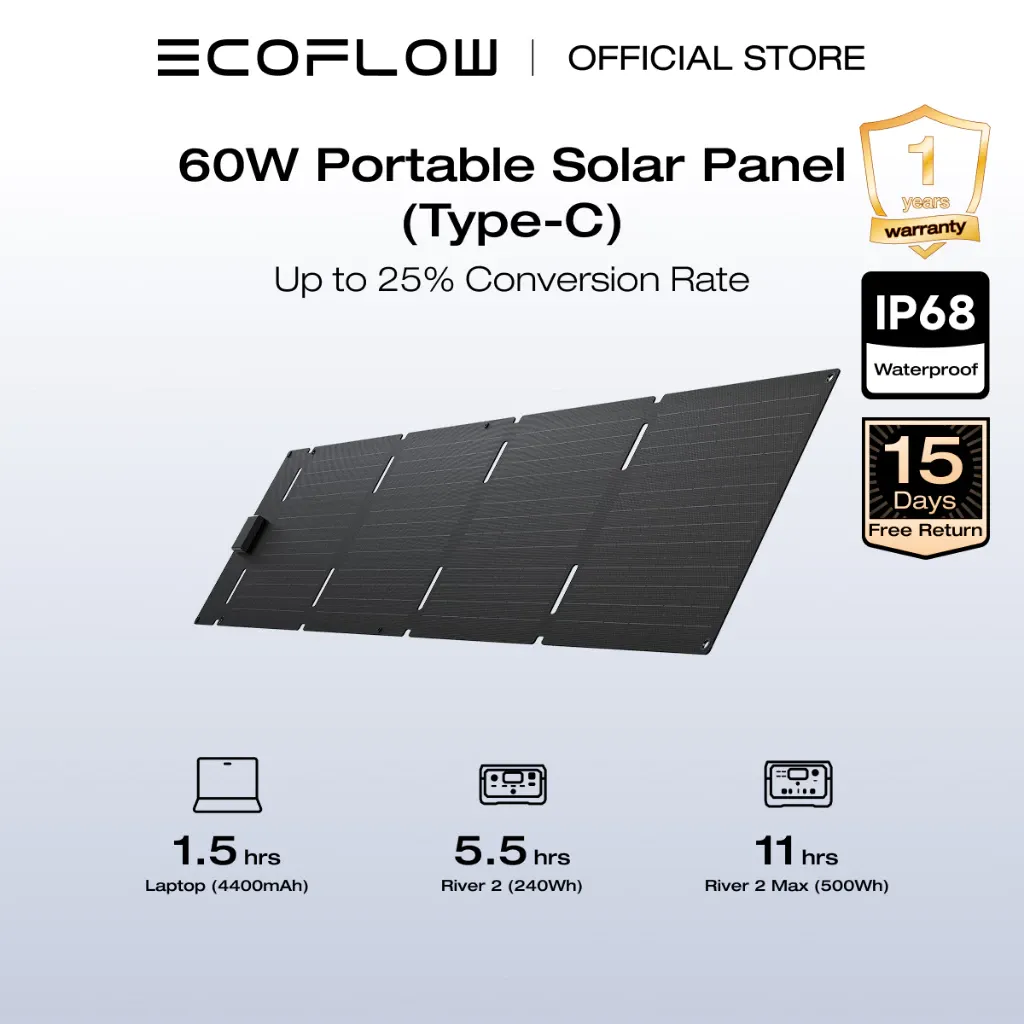
EcoFlow 60W Flexible solar panel review
How we reviewed this: we read the Shopee PH listing, checked the listed specs, and went through 97 owner ratings.
EcoFlow 60W Flexible Solar PanelA well-sealed 60W panel for around ₱7,000 with a strong owner rating, but 60W is slow going and the 100W flexible costs less per watt.
- Price: ₱7,000 as of Aug 2, 2026
- Biggest pro: IP68 rated, so it keeps collecting through a downpour
- Main catch: 60W is slow going for anything larger than a small power station, taking most of a day for a RIVER-class battery
At a glance
| Brand | EcoFlow |
|---|---|
| Type | Solar panel |
| Price | ₱7,000 (as of Aug 2, 2026) |
| Shopee owner rating | 4.9 ★ from 97 Shopee ratings |
| Shop | EcoFlow · Shopee Mall ✓ |
| Units sold | 248 |
Specifications
Specs per EcoFlow
| Type | Solar panel |
|---|---|
| Rated power | 60 W |
| Cell type | Monocrystalline silicon |
| Efficiency | Up to 23.4% |
| Water resistance | IP68 |
| Film | ETFE protective coating |
Pros and cons
✓ Pros
- IP68 rated, so it keeps collecting through a downpour
- Up to 23.4% efficiency from monocrystalline cells
- One of the two most popular panels in this roundup
- ETFE film protects the cells from UV over the long term
- Sold through EcoFlow's own Philippine Shopee store
✗ Cons
- 60W is slow going for anything larger than a small power station, taking most of a day for a RIVER-class battery
- Costs more per watt than the 100W flexible panel just above it in this lineup
- EcoFlow does not publish a weight or a folded size for the version on this listing
- Not enough output to be a household backup panel on its own
The EcoFlow 60W Flexible is a well-sealed small panel for around ₱7,000, with one of the strongest owner ratings in this roundup. The honest catch is that 60W is slow.
What is it good at?
Being left outside. IP68 is the rating that matters most in the Philippines: the panel keeps collecting through a downpour and survives brief submersion, so you are not running out to rescue it every time the sky opens.
The cells are monocrystalline at up to 23.4% efficiency, with an ETFE film over them that blocks UV and slows the ageing that kills cheap panels after a season or two.
It is also one of the two most popular panels in this roundup, which for a category this technical is a reasonable signal that it does what it says.
What is 60W actually like to use?
Slow, and that is the thing to be clear-eyed about. 60W will top up a phone or a power bank quickly enough, but pointed at a 256Wh power station like the EcoFlow RIVER 2 it needs most of a day of good sun for a full charge. Point it at anything larger and you are into multi-day territory.
Think of it as a maintenance panel: it keeps a battery topped up over time rather than bringing it back from empty this afternoon.
Is this solar panel sulit?
Around ₱7,000 as of August 2, 2026. Check the latest price on Shopee. That is roughly ₱117 per watt, and here is the problem: the 100W Flexible in this same roundup works out to about ₱80 per watt. Two-thirds more output for a modest step up in price.
Unless you specifically need the smaller panel or you have a hard ceiling on what you can spend today, the 100W is the better purchase. That is not a knock on this panel’s build, which is good. It is simple arithmetic.
Sold through EcoFlow’s own Philippine Shopee store. One gap worth noting: EcoFlow does not publish a weight or folded size for the version on this listing.
Who this solar panel suits
Buy this if you want a well-sealed panel to keep a small battery or phone topped up and 60W is genuinely all you need. It is a fair choice for a motorbike, a small boat, or a bag. If you own a power station and want to refill it in a day, buy more watts. See how it ranks in our best solar panels in the Philippines roundup, or browse more on our Home Improvement page. Our solar panel buying guide explains how to size a panel to your battery.
Other solar panel options to compare
The obvious step up is the EcoFlow 100W Flexible at around ₱8,000, which bends to 258 degrees and costs meaningfully less per watt. If you want something pocket-sized instead, the EcoFlow 28W Portable folds to book size with USB-C and USB-A ports at around ₱4,000.
Frequently Asked Questions
What can 60W actually charge?
A phone, a power bank, or a small power station given time. Expect most of a day of good sun to refill a 256Wh station like the RIVER 2. It is a top-up panel rather than a recharge-it-today panel.
Is IP68 worth paying for?
In this country, yes. IP68 means the panel keeps working through heavy rain and survives brief submersion, so you do not have to run out and rescue it when a downpour starts. Every panel you leave outdoors should have a stated rating.
How does it compare with the 100W flexible?
The 100W costs less per watt and gives you two-thirds more output for a modest step up in price. Unless you specifically need the smaller size or the price cap, the 100W is the better buy of the two.
Why is the efficiency figure a range?
EcoFlow has sold several 60W panels with different cells. The figure most commonly published for this generation is up to 23.4%, though newer N-type versions reach 25%. Confirm the exact variant with the seller if efficiency is the deciding factor.
More solar panels we've reviewed
Every card links to our full review.
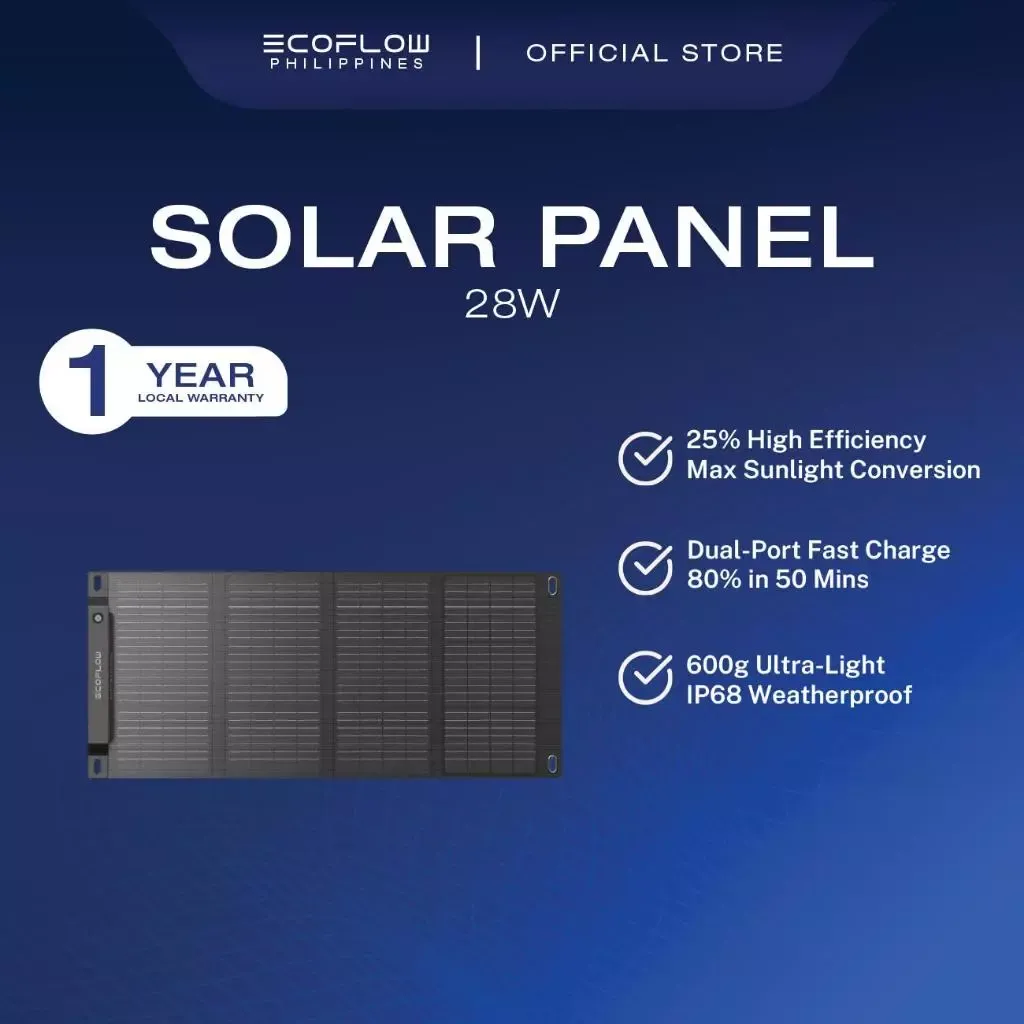
EcoFlow 28W Portable Solar Panel
₱4,000as of Aug 2, 2026
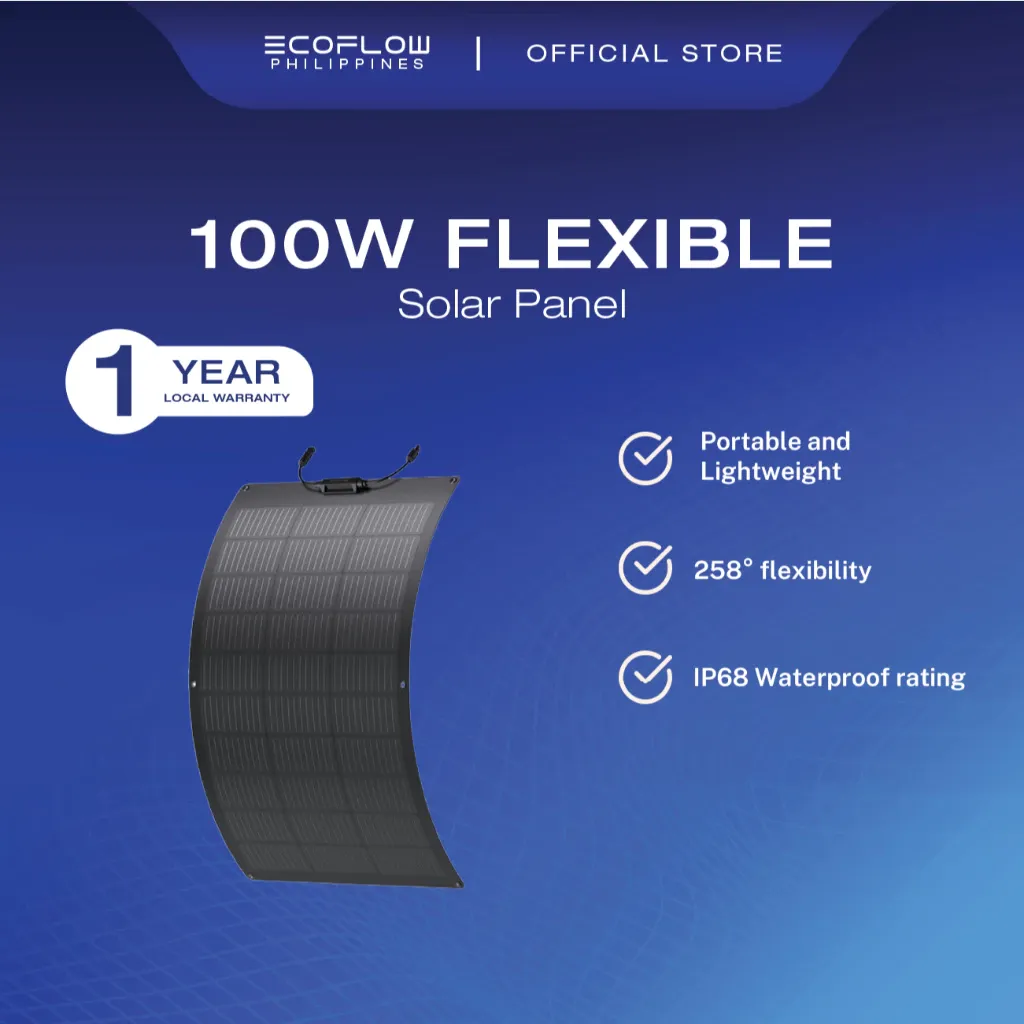
EcoFlow 100W Flexible Solar Panel
₱8,000as of Aug 2, 2026
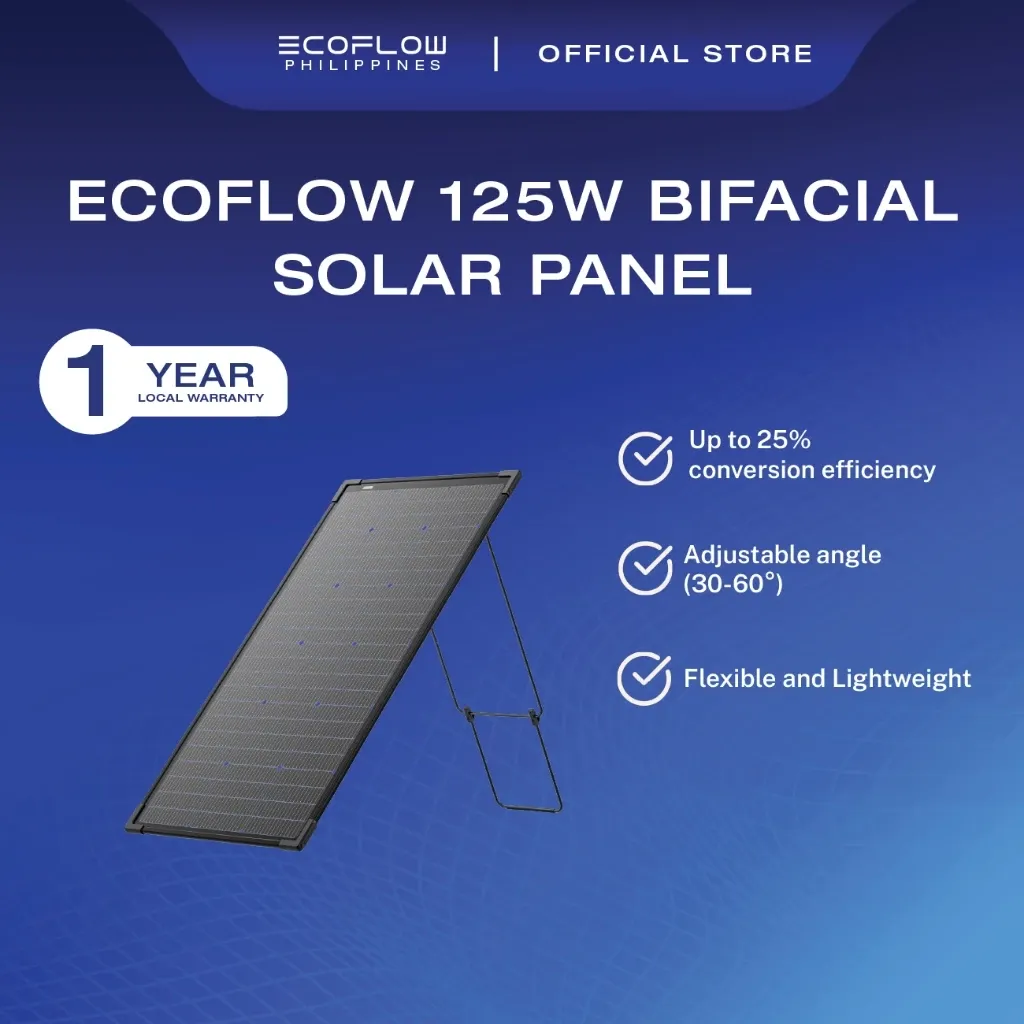
EcoFlow 125W Bifacial Solar Panel
₱9,000as of Aug 2, 2026
Disclosure: Product Choicest is reader-supported. We may earn a commission when you buy through our Shopee links, at no extra cost to you. Read affiliate disclosure.
EcoFlow 60W Flexible Solar Panel₱7,000 when last checked
See today's price 🛒