
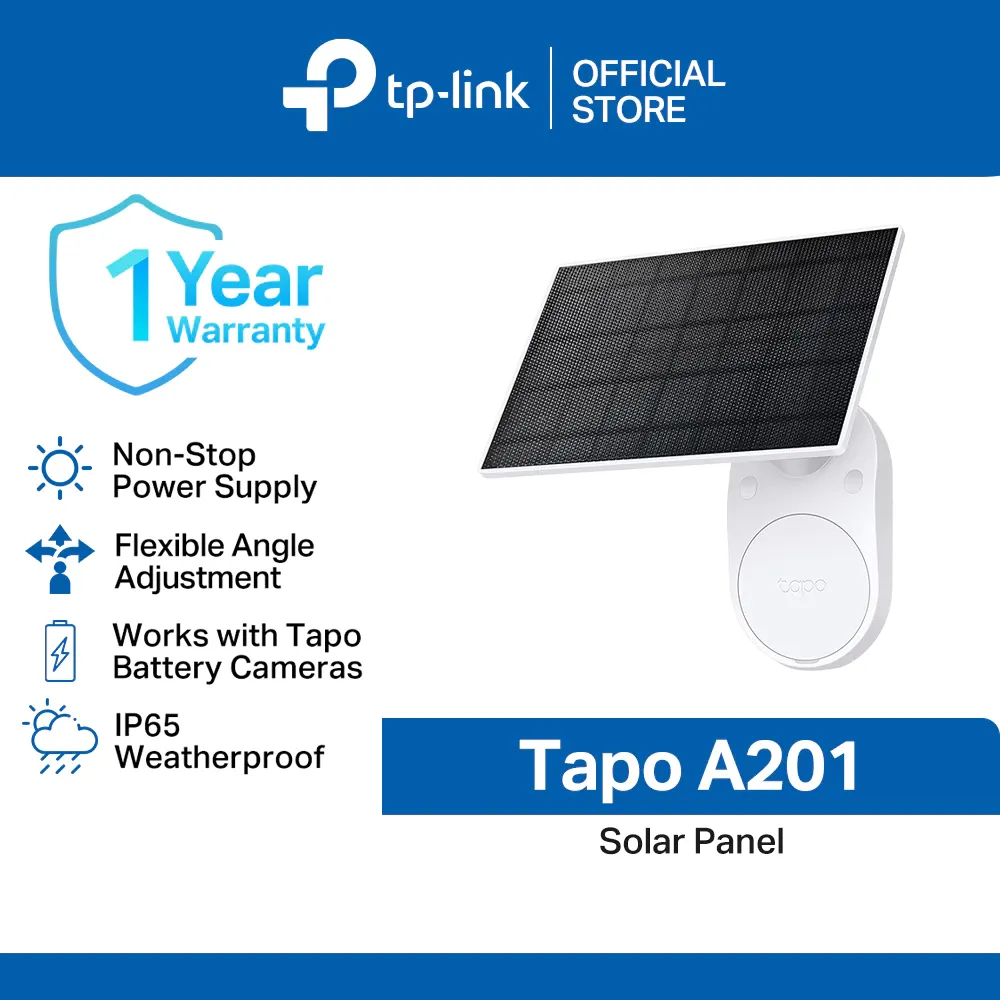
TP-Link Tapo A201 solar panel review: best for security cameras
How we reviewed this: we read the Shopee PH listing, checked the listed specs, and went through 87 owner ratings.
TP-Link Tapo A201 Solar PanelOur Best for Security Cameras pick: 2.5W that keeps a Tapo battery camera running on 45 minutes of daily sun, for around ₱1,200.
- Price: ₱1,200 as of Aug 2, 2026
- Biggest pro: Keeps a Tapo battery camera running on about 45 minutes of daily sun
- Main catch: 2.5W powers a camera and nothing else, so it cannot charge a phone or a power station
At a glance
| Brand | TP-Link |
|---|---|
| Type | Solar panel |
| Price | ₱1,200 (as of Aug 2, 2026) |
| Shopee owner rating | 4.9 ★ from 87 Shopee ratings |
| Shop | TP-Link PH · Shopee Mall ✓ |
| Units sold | 328 |
Specifications
Specs per TP-Link
| Type | Solar panel |
|---|---|
| Rated power | 2.5 W |
| Maximum output voltage | 5.2 V |
| Cell type | Monocrystalline |
| Connector | USB |
| Cable length | 4 m |
| Weather resistance | IP65 |
| Works with | Tapo battery cameras |
| Warranty | 1 year, per the listing |
Pros and cons
✓ Pros
- Keeps a Tapo battery camera running on about 45 minutes of daily sun
- 4m cable, long enough to put the panel in sun while the camera sits in shade
- Flexible angle bracket, so you can aim it after mounting
- IP65 rated for rain and dust
- Ends the ladder trip to recharge a camera battery every few weeks
- Sold through TP-Link's own Philippine Shopee store
✗ Cons
- 2.5W powers a camera and nothing else, so it cannot charge a phone or a power station
- Works only with Tapo battery cameras, not with other brands
- IP65 handles rain but is not submersible like the IP68 panels here
- USB output means there is no DC connector for a power station's solar input
The TP-Link Tapo A201 is our Best for Security Cameras pick: 2.5W that keeps a Tapo battery camera running on about 45 minutes of daily sun, for around ₱1,200. It solves one problem completely.
What problem does it solve?
The ladder. A battery security camera needs taking down and recharging every few weeks, and that job gets old fast, especially on a second floor or a gate post. This panel ends it. 45 minutes of direct sun a day is enough to keep the camera running continuously, and in this country that is an easy bar to clear.
The 4m cable is what makes it practical rather than theoretical. Cameras go where you need to watch, which is often a shaded corner. The cable lets you put the panel somewhere sunny and run the lead back.
Is it built for the weather?
IP65, which means it handles rain and dust. That is the right rating for something bolted to an outside wall, and TP-Link states a 1-year warranty.
Worth being precise: IP65 is rain-resistant, not submersible. The bigger panels in this roundup are IP68, which survives being under water. For a wall-mounted camera accessory, IP65 is the appropriate spec, not a shortfall.
The mount has flexible angle adjustment, so you can aim it after it is up rather than getting the position perfect first time.
What can it not do?
Everything else. 2.5W is a trickle sized for one camera. It will not charge a phone, will not feed a power station, and works only with Tapo battery cameras. The connector is USB, so there is no DC plug for a solar input.
That is not really a criticism, it is the design. Just do not buy it expecting a small solar panel in the general sense.
Is the Tapo A201 Solar Panel sulit?
Around ₱1,200 as of August 2, 2026. Check the latest price on Shopee. Judged on cost per watt it is by far the worst number in this roundup, and that comparison is meaningless: you are not buying watts, you are buying the end of a recurring chore.
The better frame is that it costs roughly what one Tapo camera’s worth of convenience is worth, and it pays for itself the first year in trips you do not make. It is the most popular panel in this roundup, from TP-Link’s own Philippine Shopee store, with a strong owner rating behind it.
Who the Tapo A201 Solar Panel suits
Buy this if you own a Tapo battery camera and you are tired of taking it down to charge. It is the right choice for a gate, a garage, or a second-floor wall. It is the wrong buy for anything that is not a Tapo camera. See how it ranks in our best solar panels in the Philippines roundup, or browse more on our Home Improvement page. Our solar panel buying guide explains why matching a panel to its job matters more than raw wattage.
If the Tapo A201 Solar Panel is not right
If you want a small panel that charges phones instead of cameras, the EcoFlow 28W Portable has USB-C and USB-A ports at around ₱4,000 and folds to the size of a book. For a real power-station panel, the EcoFlow 125W Bifacial is our Best Overall at around ₱9,000.
Compare TP-Link Tapo A201 Solar Panel
See how it compares with the other top picks in our solar panels comparison.
Frequently Asked Questions
Which cameras does it work with?
All Tapo battery cameras, including the C400, C410, C420, and C425 series. It uses a USB connector made for those cameras, so it will not power a different brand's camera or anything else.
How much sun does it actually need?
TP-Link states about 45 minutes of direct sunlight a day is enough to keep a camera running continuously. That is a low bar, which is the point: even a partly shaded wall in the Philippines clears it most days.
Is the cable long enough?
4m, which is the feature that makes it work. Cameras usually go where you want to watch, and that spot is often shaded. The cable lets you put the panel out in the sun and run the lead back to the camera.
Can I use it to charge my phone?
No. At 2.5W it produces a trickle designed for one camera. It is not a phone charger and it cannot feed a power station. If you want a panel that charges devices, the EcoFlow 28W has USB-C and USB-A ports.
More solar panels we've reviewed
Every card links to our full review.
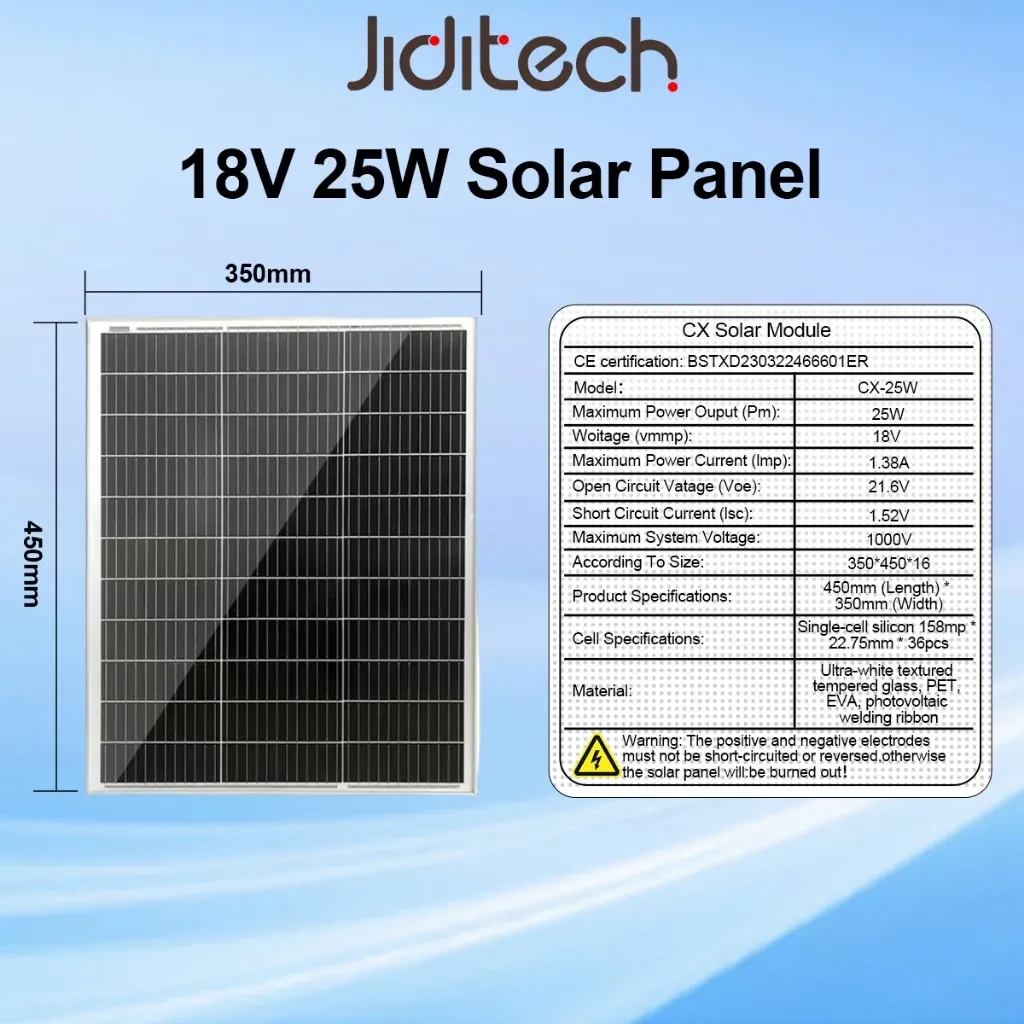
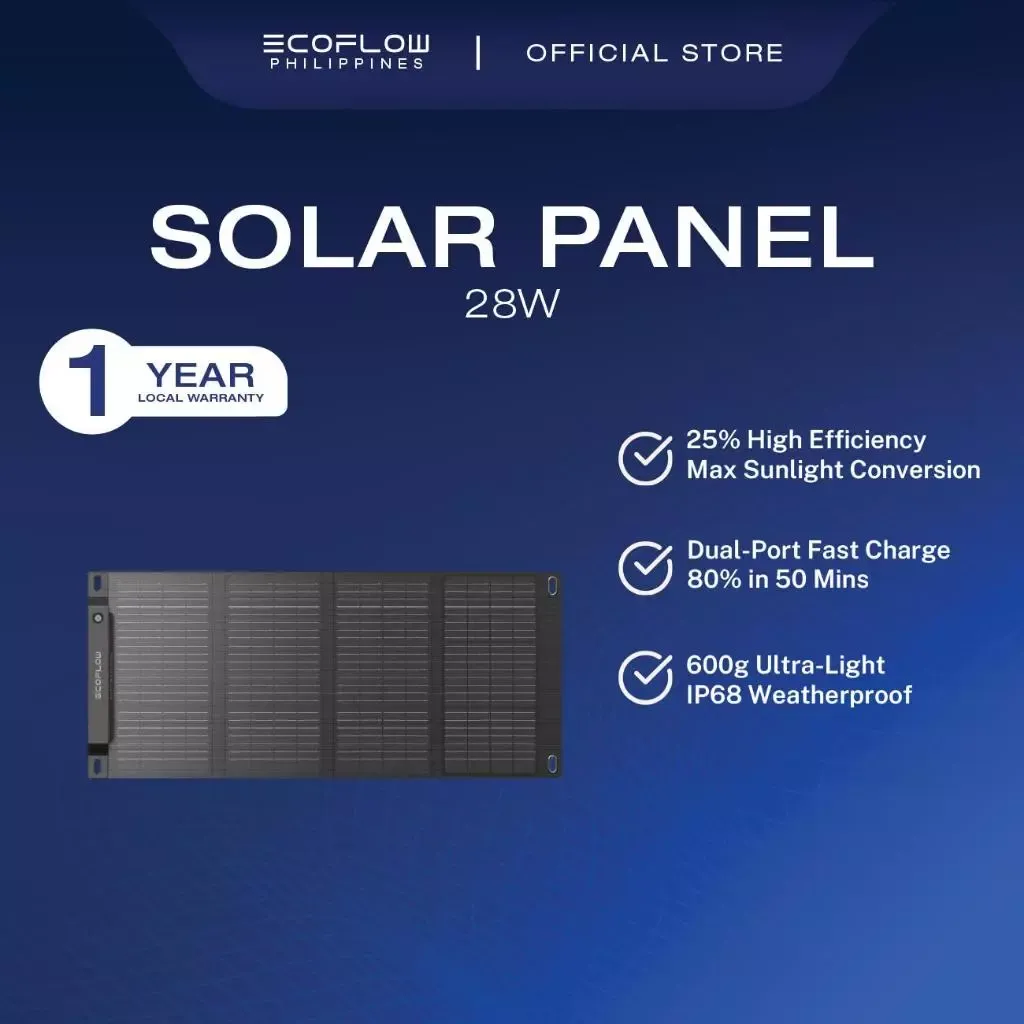
EcoFlow 28W Portable Solar Panel
₱4,000as of Aug 2, 2026
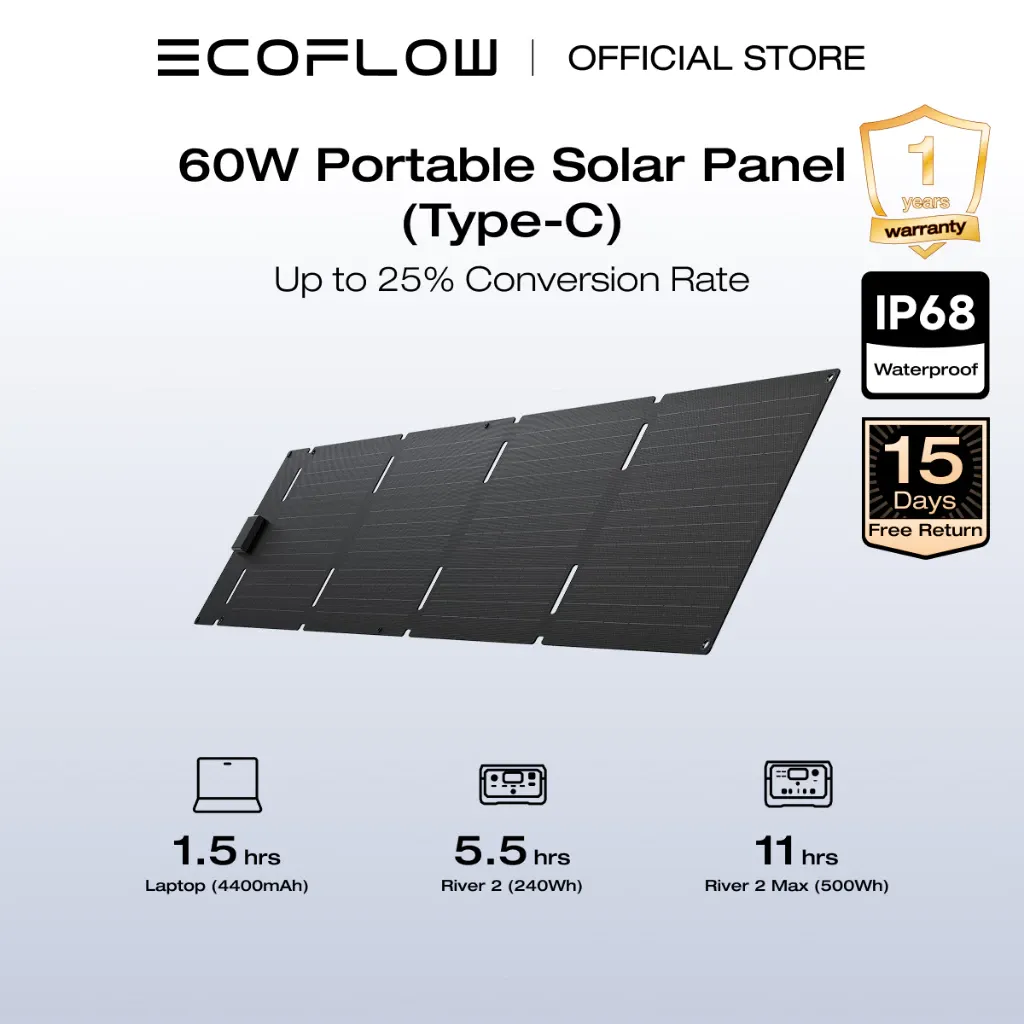
EcoFlow 60W Flexible Solar Panel
₱7,000as of Aug 2, 2026
Disclosure: Product Choicest is reader-supported. We may earn a commission when you buy through our Shopee links, at no extra cost to you. Read affiliate disclosure.
Tapo A201 Solar Panel₱1,200 when last checked
See today's price 🛒