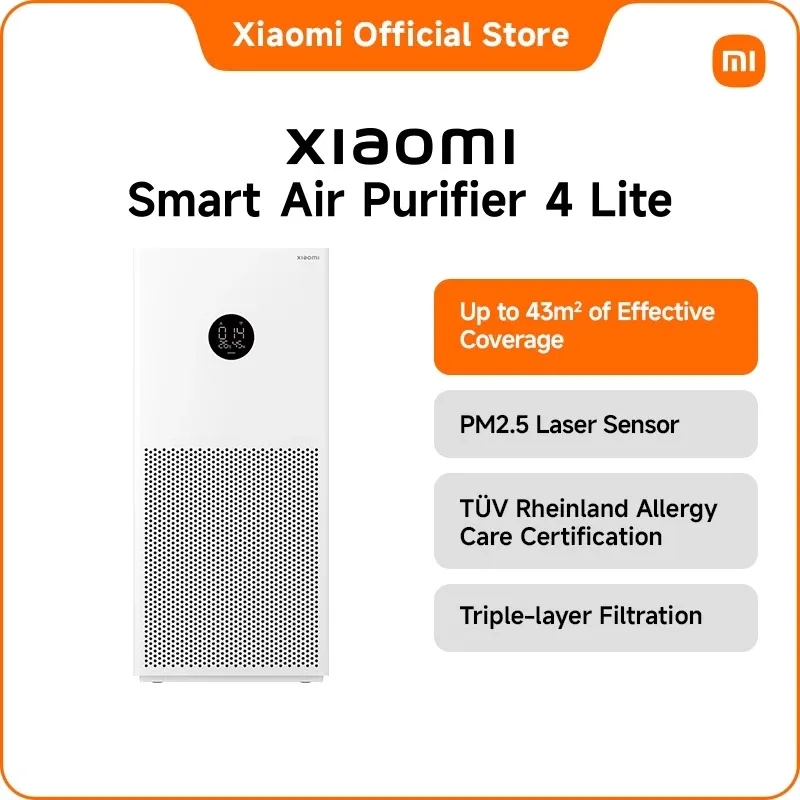
Xiaomi Smart Air Purifier 4 Lite Global Version
₱7,300as of Aug 12, 2026
COD · Shopee-protected payment

How we reviewed this: we read the Shopee PH listing, checked the listed specs, and went through 3,146 owner ratings.
Xiaomi Smart Air Purifier 4 Lite Global Version360 m³/h across 43 sqm with a PM2.5 laser sensor and TÜV allergy certification for around ₱7,300: the unit to buy when the room is a sala, not a bedroom.
₱7,300as of Aug 12, 2026
COD · Shopee-protected payment
| Brand | Xiaomi |
|---|---|
| Type | HEPA air purifier |
| Price | ₱7,300 (as of Aug 12, 2026) |
| Shopee owner rating | 4.9 ★ from 3,146 Shopee ratings |
| Shop | Xiaomi Official Store Global · Shopee Mall ✓ |
| Units sold | 10K+ |
Specs per Xiaomi Philippines (Smart Air Purifier 4 Lite).
| Type | HEPA air purifier |
|---|---|
| Particle CADR | 360 m³/h |
| Coverage | Up to 43 sqm |
| Filtration | Triple-layer, pre-filter plus HEPA plus activated carbon |
| Sensors | PM2.5 laser sensor |
| Certification | TÜV Rheinland Allergy Care |
| Controls | Mi Home app, OLED display, auto mode |
| Warranty | 1 year |
The Xiaomi Smart Air Purifier 4 Lite is our Best for Large Rooms pick: 360 m³/h CADR across up to 43 sqm, with a PM2.5 laser sensor and TÜV Rheinland Allergy Care certification, for around ₱7,300 as of August 12, 2026.
Because it is the only unit here under ₱9,000 that can genuinely handle an open sala.
Run the sizing rule (CADR of at least five times room area) and 360 m³/h properly serves about 72 sqm on paper. Xiaomi rates it conservatively to 43 sqm, which is an honest figure for five air changes an hour and covers most Filipino living-and-dining spaces.
Against its own smaller sibling the gap is stark. The 4 Compact delivers 230 m³/h across 16 to 27 sqm. The Lite delivers roughly 57% more clean air over 59% more floor. That is the whole reason to pay the difference.
The sensor, not the app.
The PM2.5 laser sensor measures actual particle levels in the room and drives a real auto mode. Start frying tuyo and the fan ramps up on its own; once the air clears overnight, it eases back down. That is the behavior people imagine when they buy a “smart” purifier, and most units at this price cannot do it because they have no sensor at all.
The other standout is the TÜV Rheinland Allergy Care certification. An independent German body verified the allergen performance. At this price, external verification is rare, and it is worth more than any number the seller prints.
The OLED display shows the live PM2.5 reading, and Mi Home covers scheduling and remote control.
Size and noise, and both follow from the airflow.
The tower body has a much bigger floor footprint than the compact cylinder units. In a small bedroom it dominates the room, which is another reason this is the large-space pick rather than a general recommendation.
And it runs noticeably louder at the top speeds needed to hit 360 m³/h. That is physics, not a fault: any purifier moving that much air makes noise. In practice the sensor keeps it low most of the time, so the loud phase is the first stretch after switching on.
Filters are proprietary and want replacing every 6 to 12 months.
Around ₱7,300 as of August 12, 2026. Check the latest price on Shopee.
Across its 1-year warranty that is about ₱20 a day for the covered period; across a more realistic three-year life, roughly ₱203 a month before filters.
The comparison that decides it is against buying two smaller units. Two 4 Compacts cost around ₱8,400 together and give you two filters to replace, two plugs, and a machine in each of two rooms. For a genuinely open sala and dining area, where air moves freely between the spaces, one Lite is cheaper and works better. For two closed rooms, two Compacts win.
Buy this if your space is an open sala, a combined living and dining area, or a large master bedroom, and you want a purifier that genuinely keeps up rather than one that is permanently behind. The sensor-driven auto mode and TÜV certification make it the pick for households buying because of allergies in a big room.
Skip it if you are treating one normal bedroom, where the 4 Compact does the job for around ₱3,000 less and takes up far less floor.
See how it ranks against the rest in our best air purifiers in the Philippines roundup.
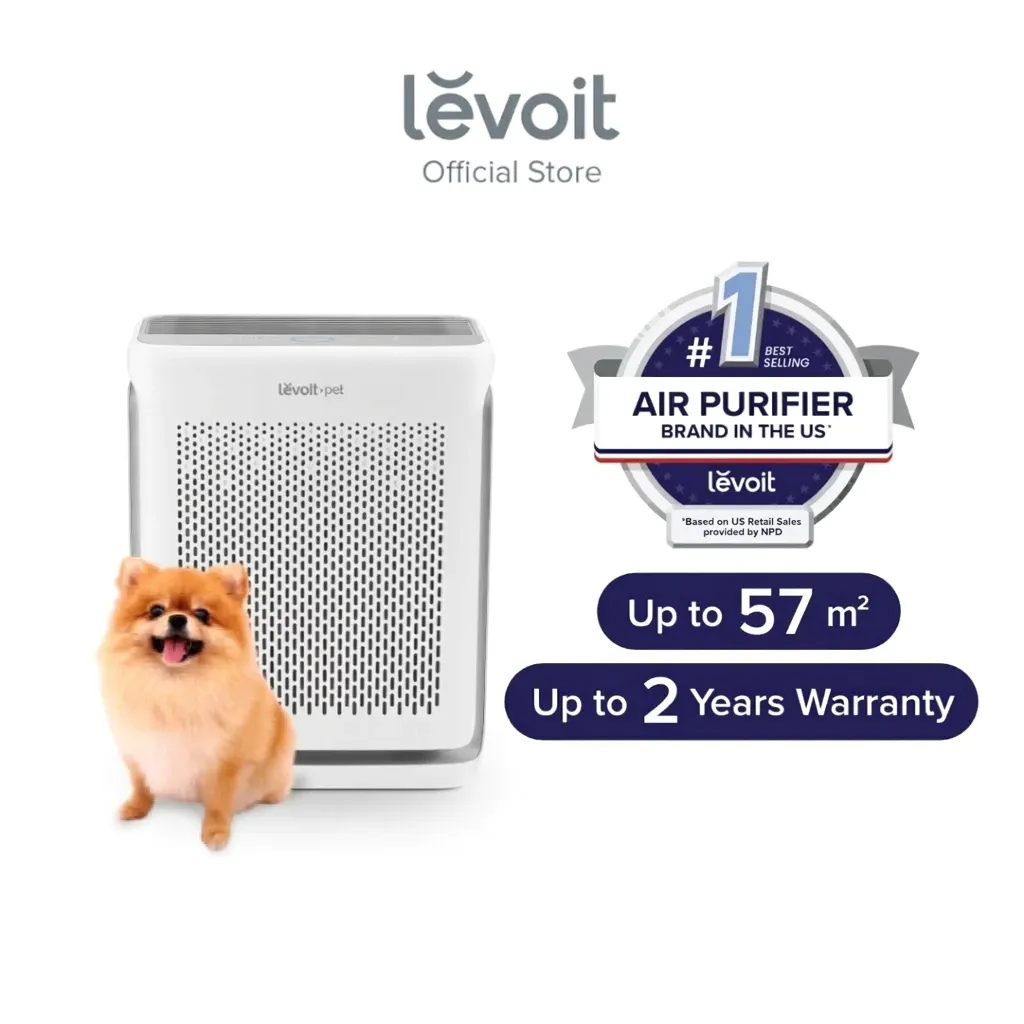
Treating a normal bedroom rather than a sala? The Xiaomi Smart Air Purifier 4 Compact is our Best Overall pick, costs around ₱3,000 less and takes up much less space. Need to cover an even bigger open floor and want a washable pre-filter for pet hair? The Levoit Vital 200S is rated for a 94 sqm room, at nearly three times the price.
See how it compares with the other top picks in our air purifiers comparison.
Meaningfully bigger. The 4 Lite delivers 360 m³/h against the Compact's 230 m³/h, and Xiaomi rates it to 43 sqm against 16 to 27 sqm. That is roughly 57% more clean air and about 59% more floor area. If your space is an open sala and dining area rather than a closed bedroom, that gap is exactly the difference between a machine that keeps up and one that does not.
It means an independent German testing body verified the unit's performance against allergens, rather than Xiaomi simply claiming it. That is worth more than a marketing badge: most purifiers in this price range carry no third-party certification at all. If you are buying because someone in the house reacts to dust or pollen, an externally verified claim is the kind of evidence worth paying for.
Yes, noticeably, and that is the honest trade for the airflow. Any purifier hitting a 360 m³/h rating is moving a lot of air and you will hear it at the top speeds. In a large room the sensor usually keeps it on lower settings once the air is clean, so the loud phase is the first stretch after you switch it on, or when someone starts cooking.
Yes, more than the app does. The laser sensor measures actual particle levels and drives a genuine auto mode, so the unit ramps up when you start frying and eases off overnight. Purifiers without a sensor run at whatever speed you last chose, which means either wasting filter life or under-cleaning. This is the feature that separates real smart purifiers from ones with an app bolted on.
Every card links to our full review.
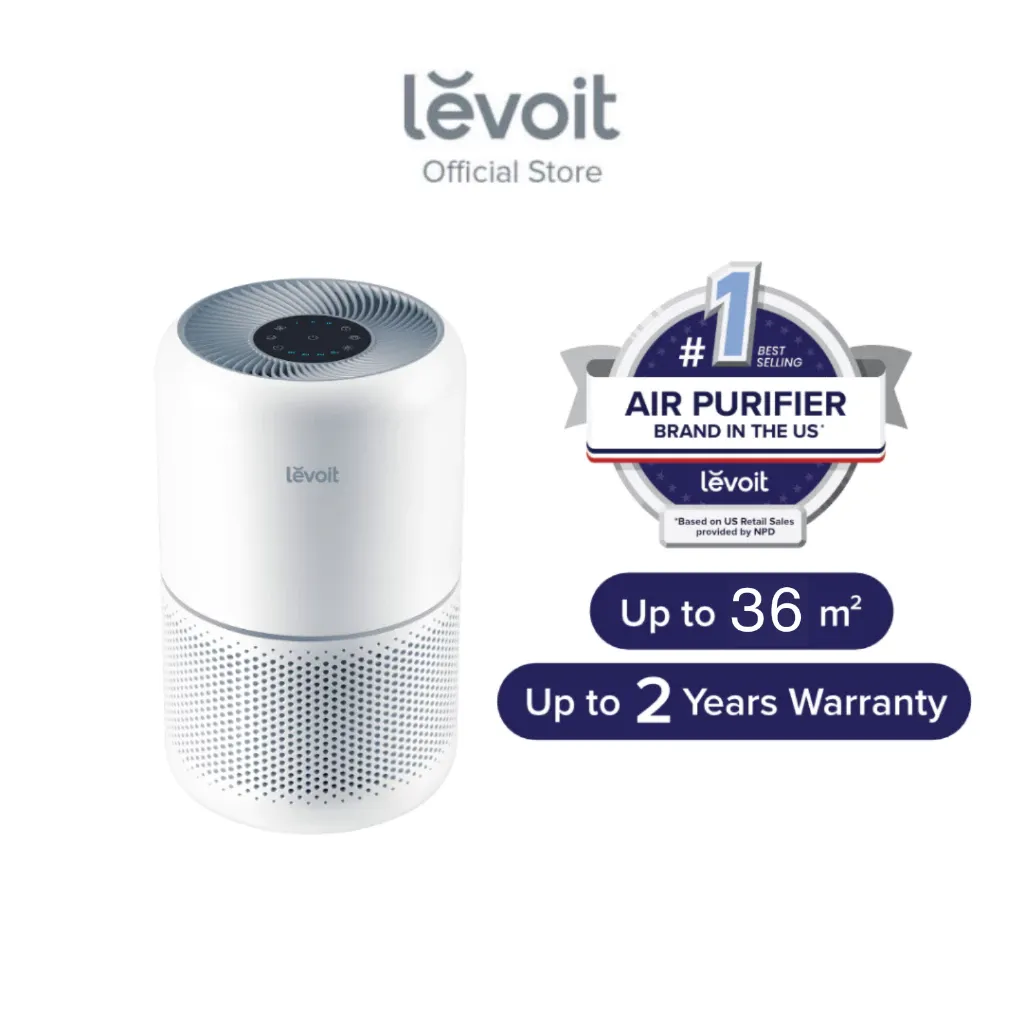
₱6,200as of Aug 12, 2026
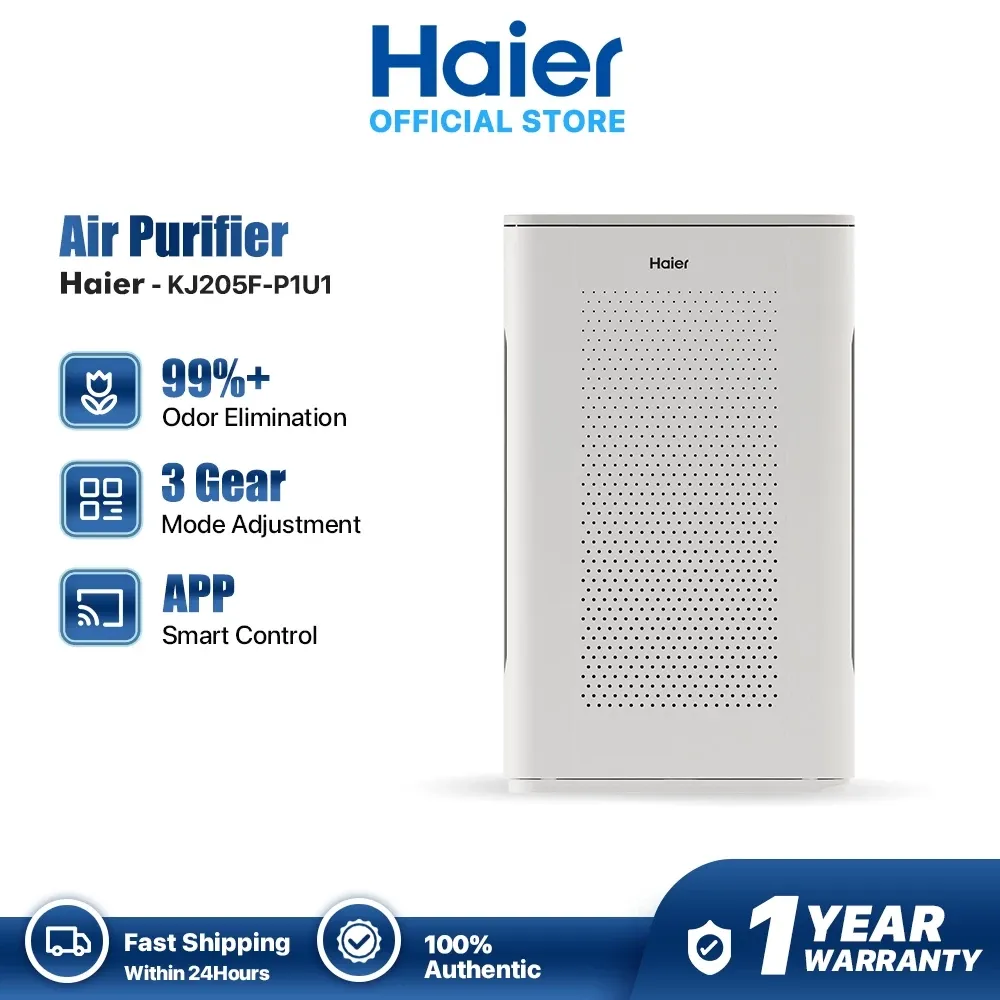
₱6,700as of Aug 12, 2026
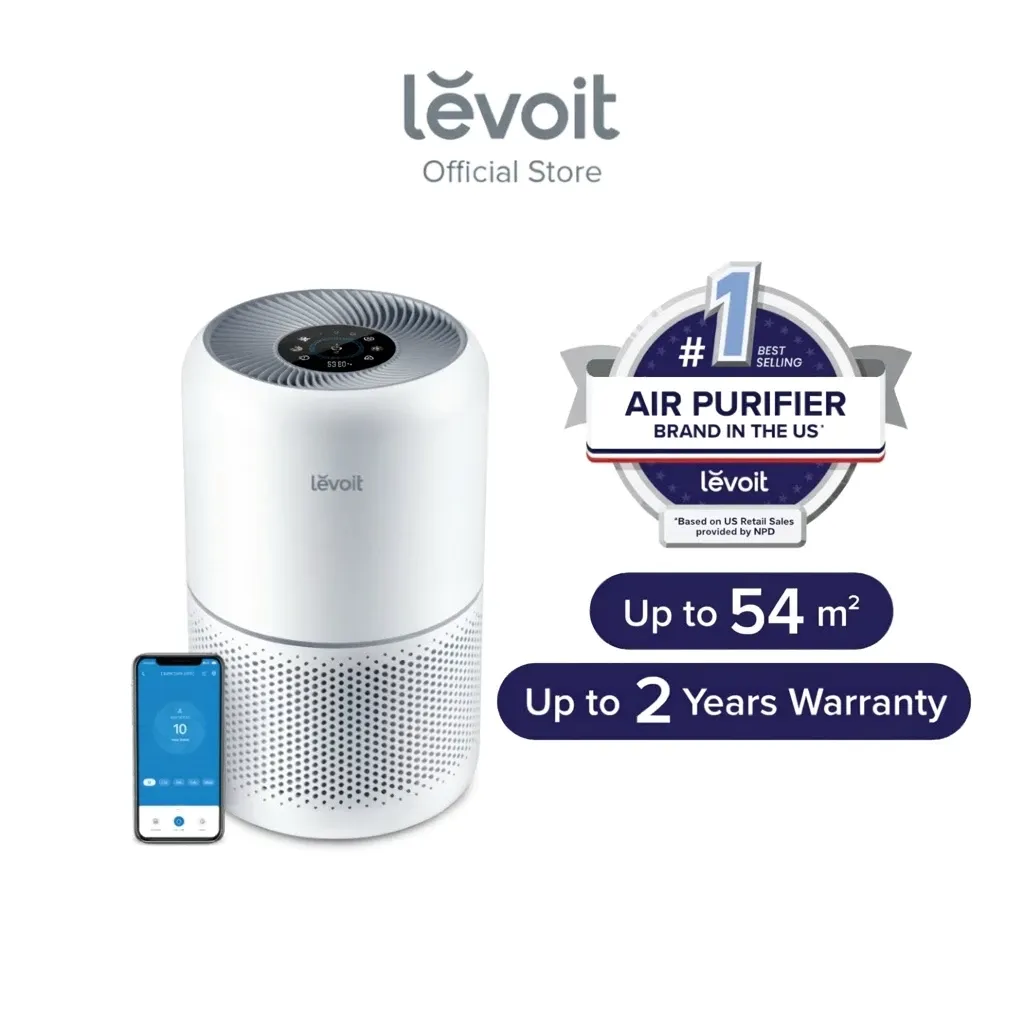
₱9,700as of Aug 12, 2026
₱10,100as of Aug 12, 2026
Disclosure: Product Choicest is reader-supported. We may earn a commission when you buy through our Shopee links, at no extra cost to you. Read our affiliate disclosure.