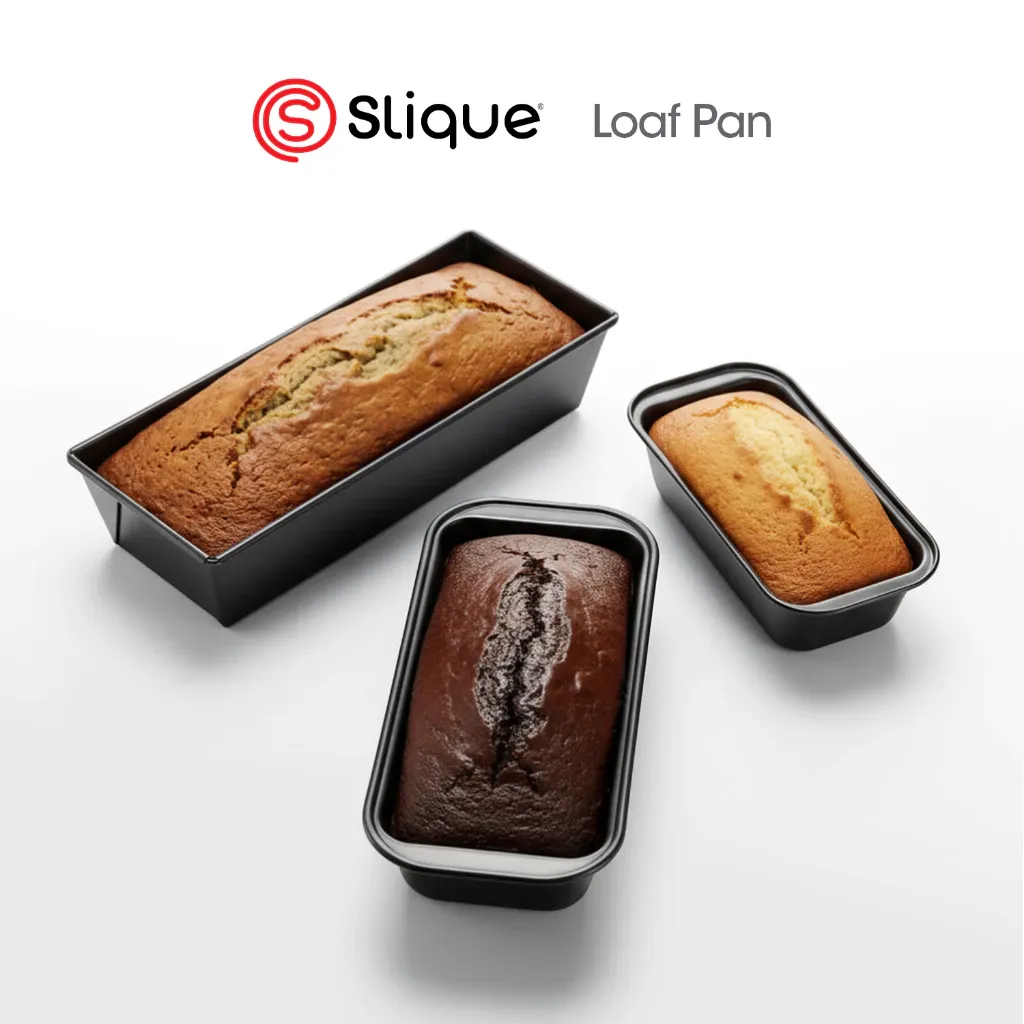
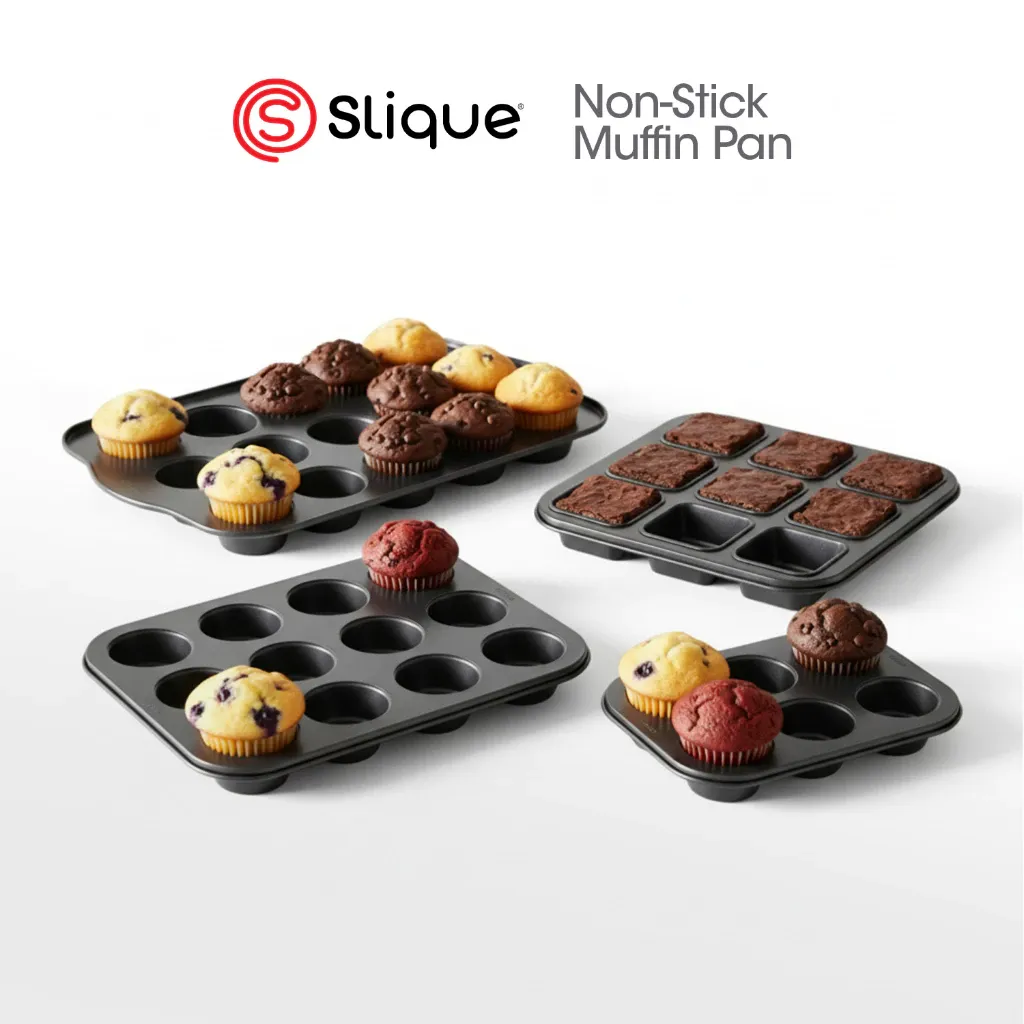
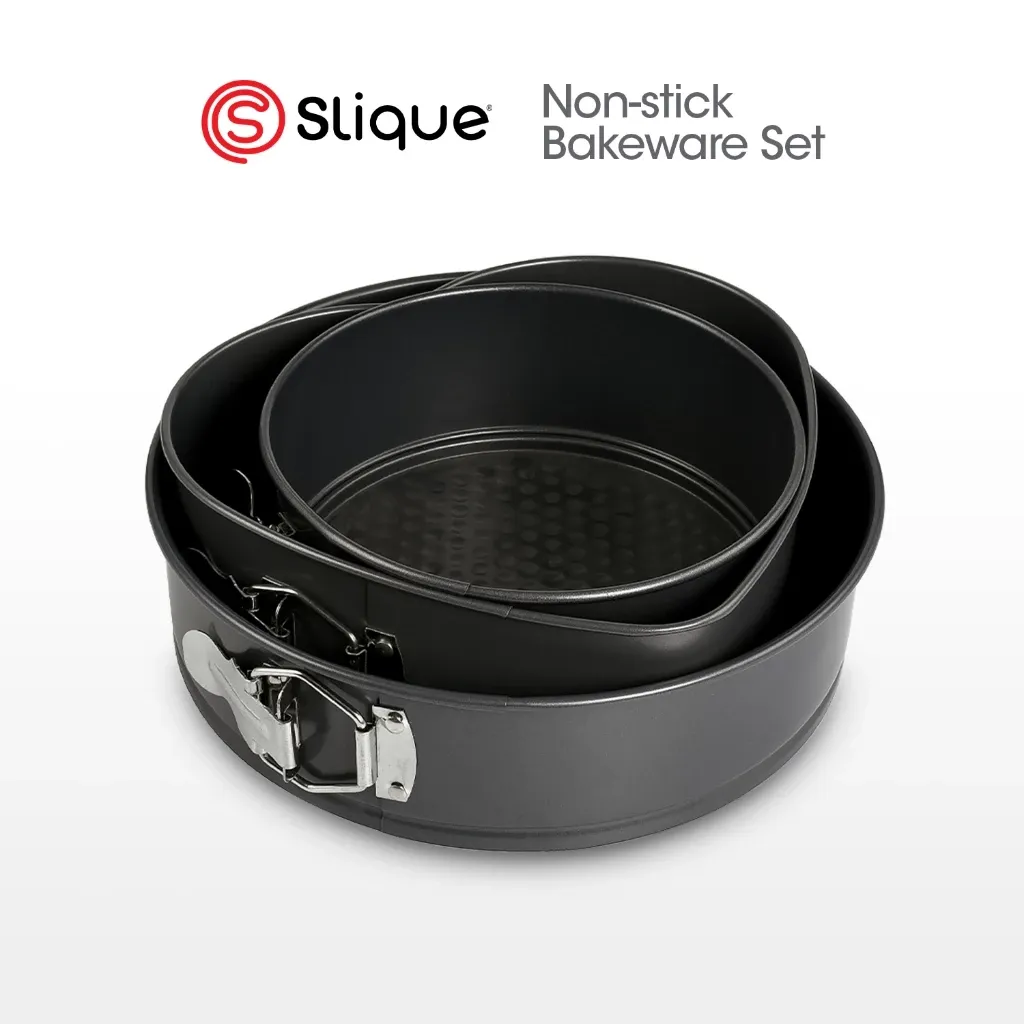
The SLIQUE bakeware collection is our Best Overall pick, three pan shapes in one box for a kitchen that owns none. Below are the best non-stick baking pans on Shopee Philippines right now, ranked on material, coating, published dimensions, and real owner ratings.
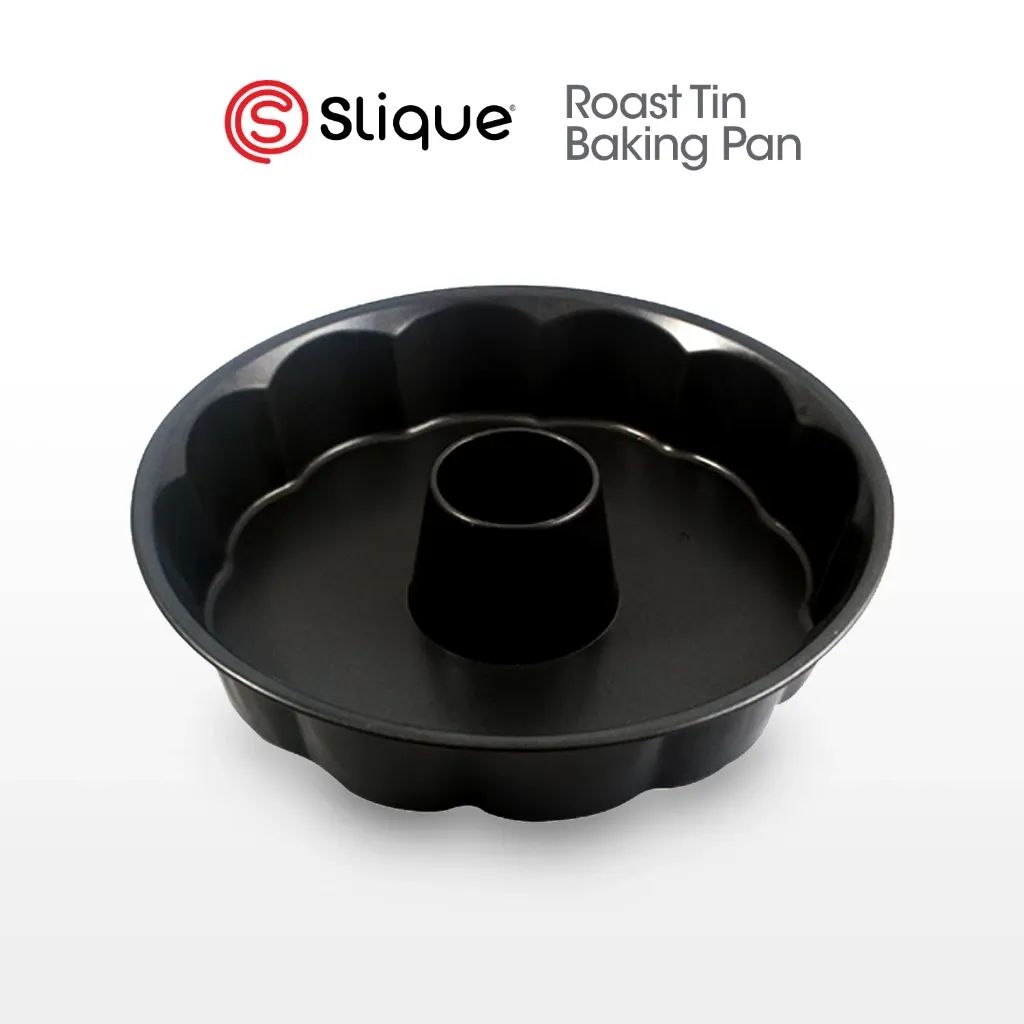
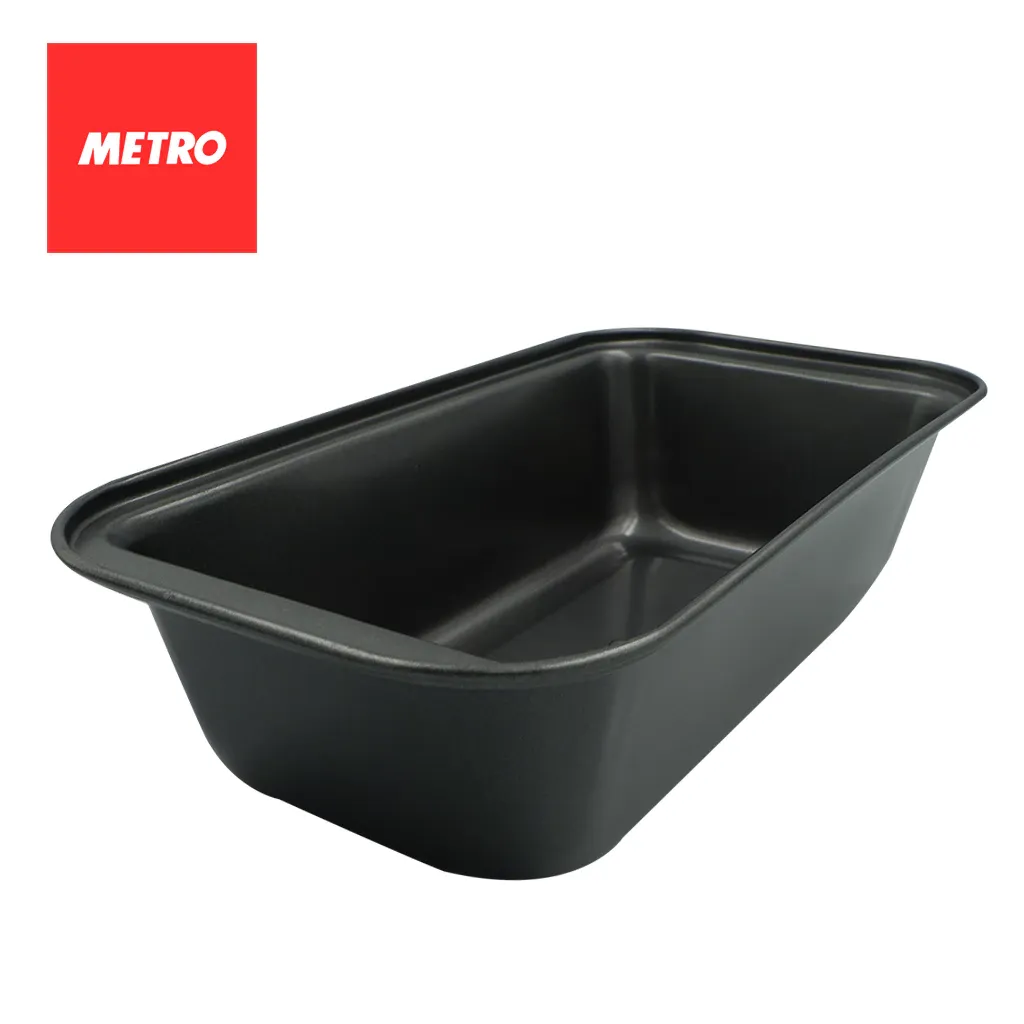
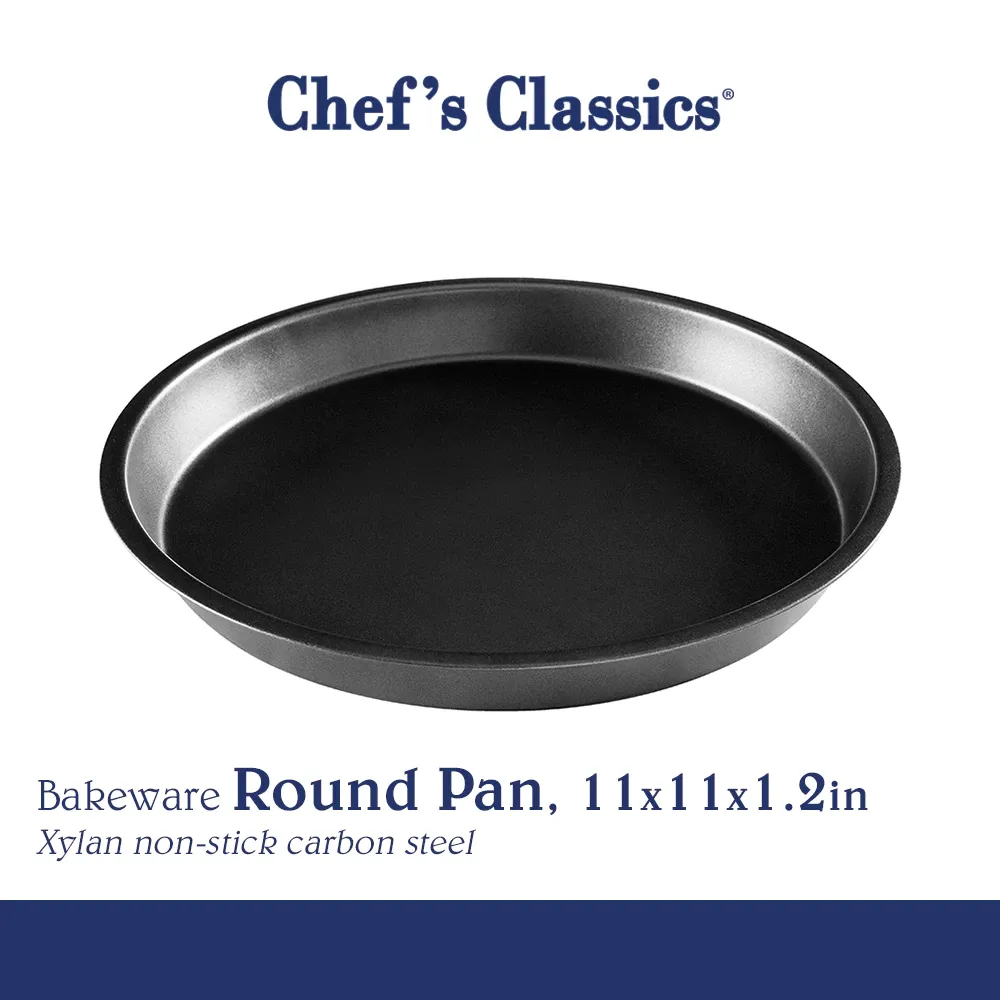
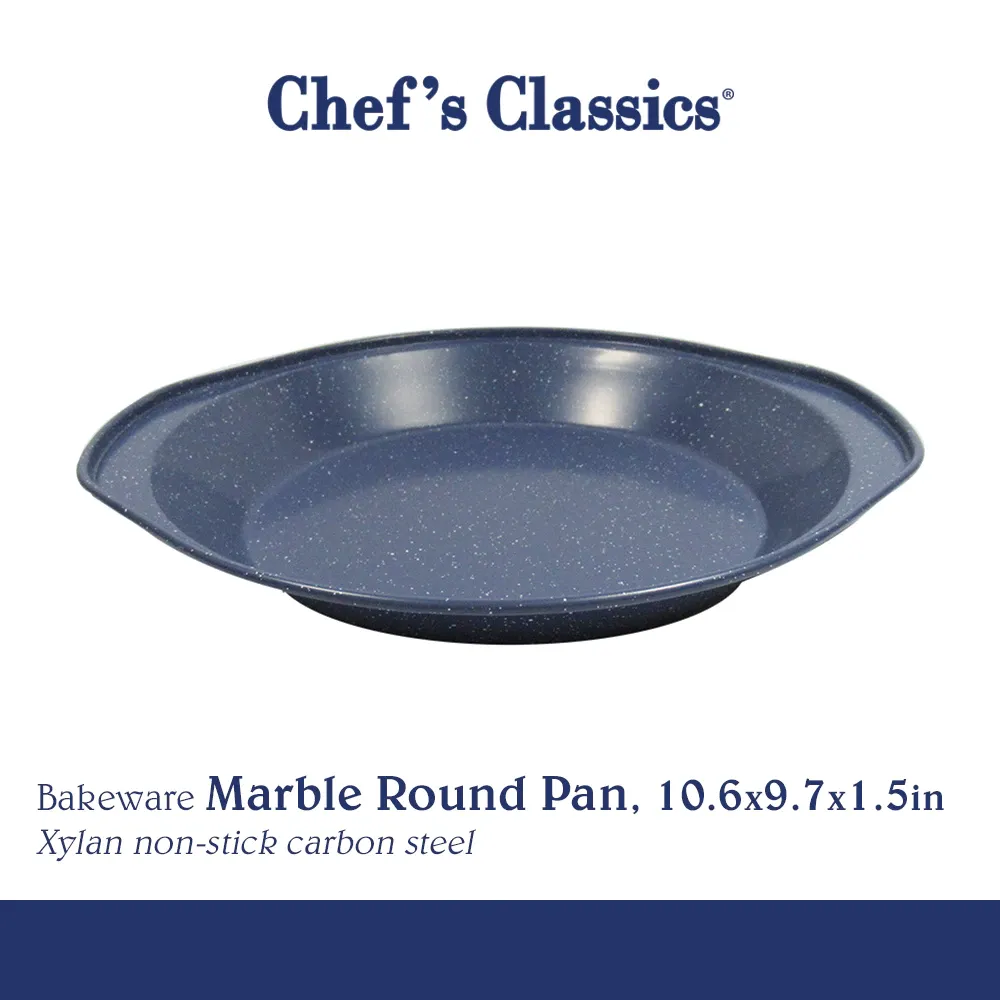
Non-stick bakeware is a category where the listing photo tells you almost nothing and the spec line tells you almost everything. Here is how the best-selling pans on Shopee PH compare on the things that decide whether a cake comes out whole.
How we picked
We ranked on body material (carbon steel over aluminium for anything you plan to keep), coating type, whether the listing publishes real dimensions instead of a vague size word, how well the pan fits a countertop oven, and the depth of the owner record behind each rating. Prices were recorded on August 20, 2026 and change.
What we did not rank on
Piece counts. A twelve-piece set that includes four pans you will never use is not better value than three pans you will use weekly.
Frequently Asked Questions
Carbon steel or aluminium bakeware: which should I buy?
Carbon steel is heavier, holds its shape in a hot oven, and is the better body under a non-stick coating because it does not dent. Aluminium heats faster, which suits a small countertop oven and a crisp pizza base, but it is soft and marks easily. For pans you will own for years, carbon steel.
What size baking pan fits a Philippine countertop oven?
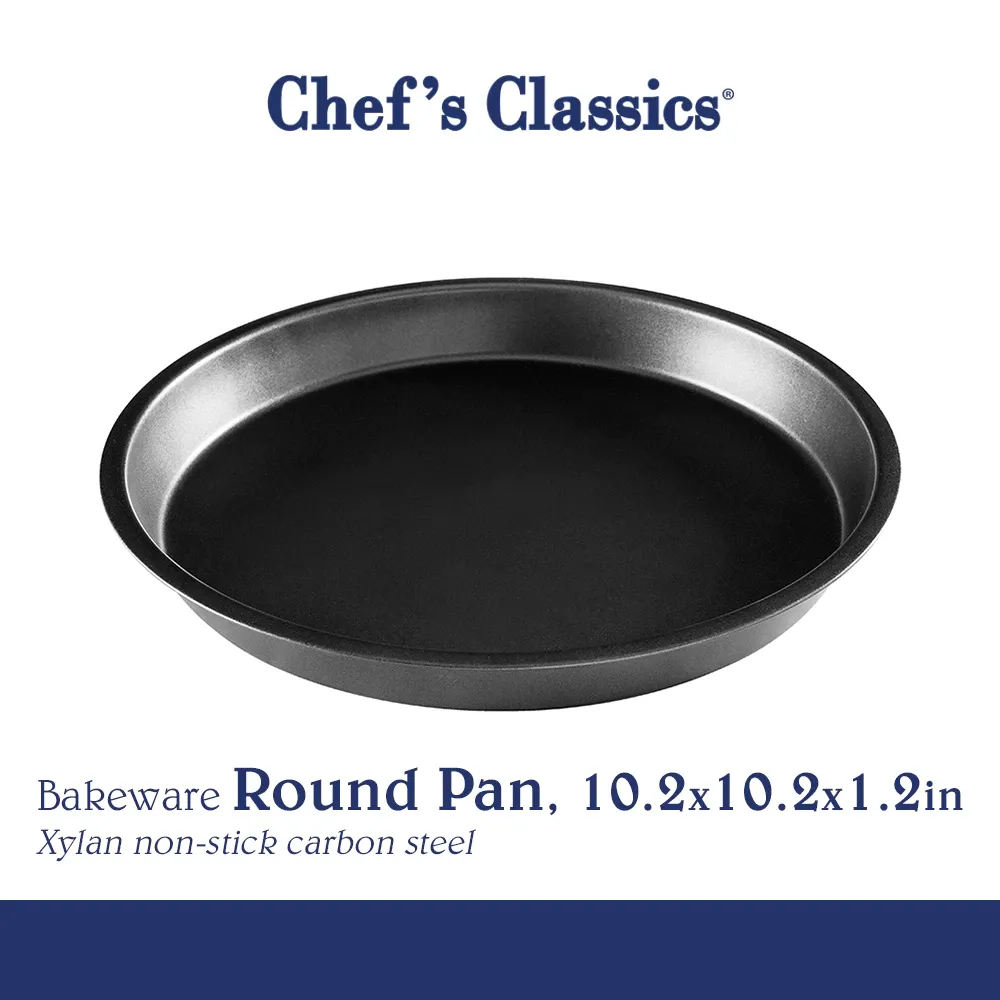
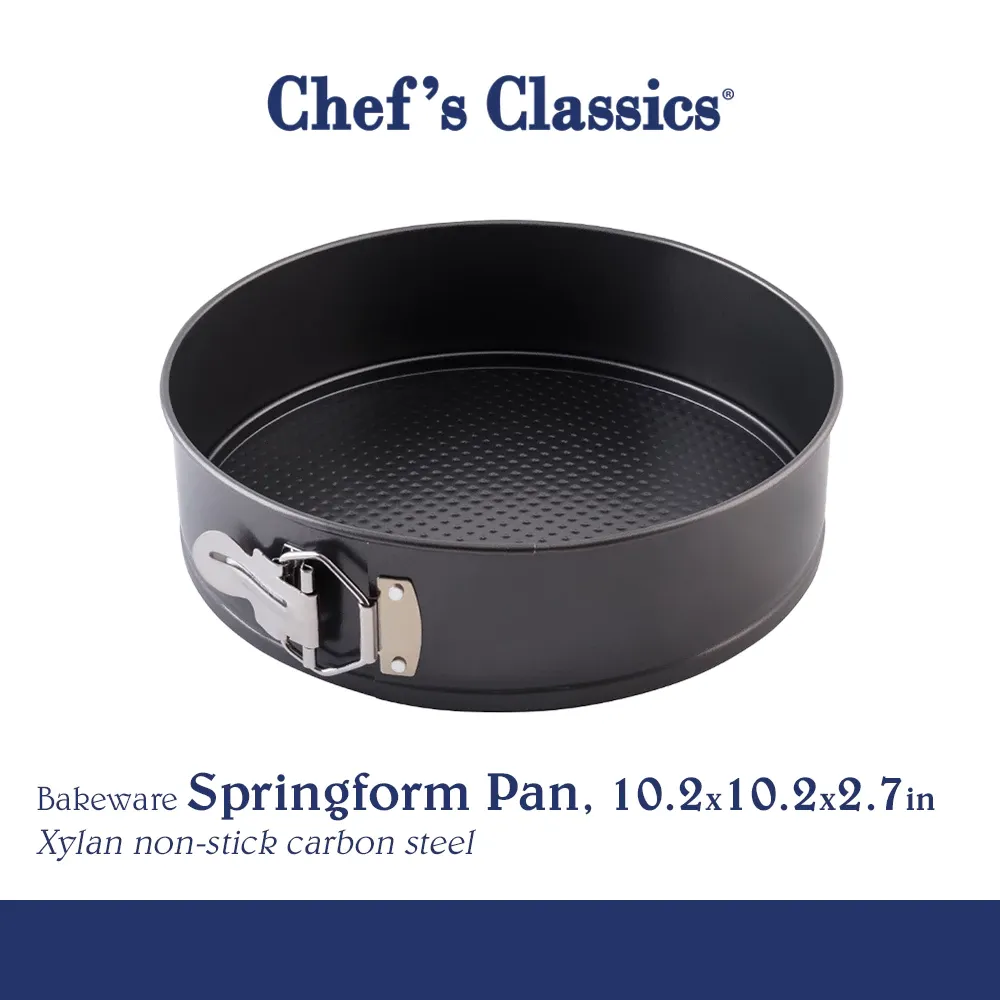
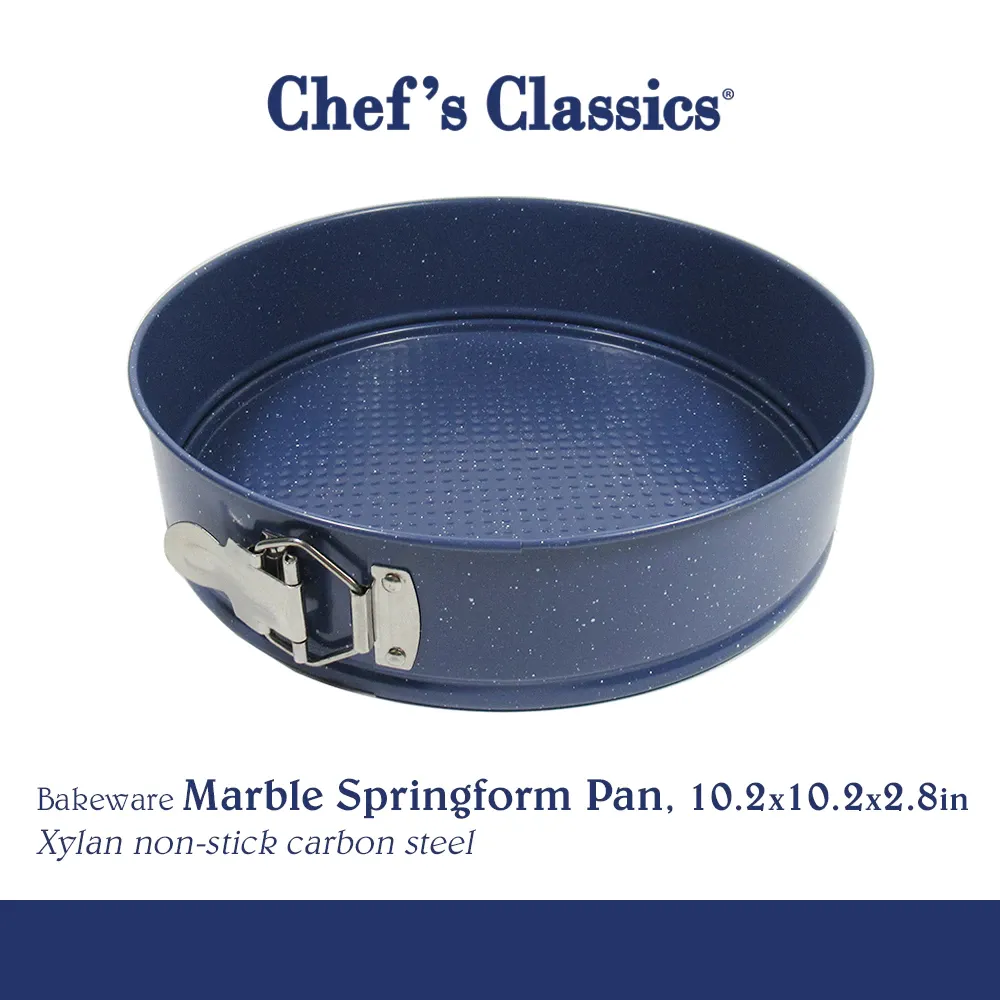
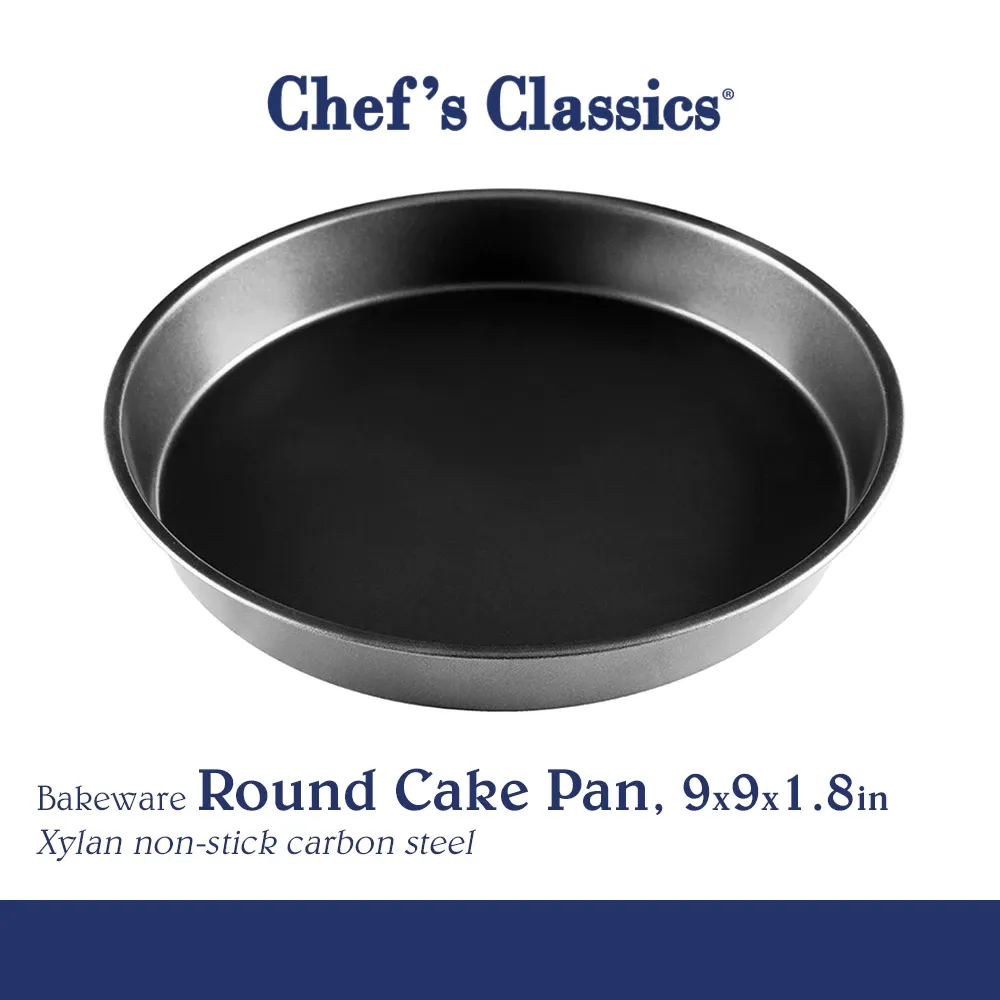
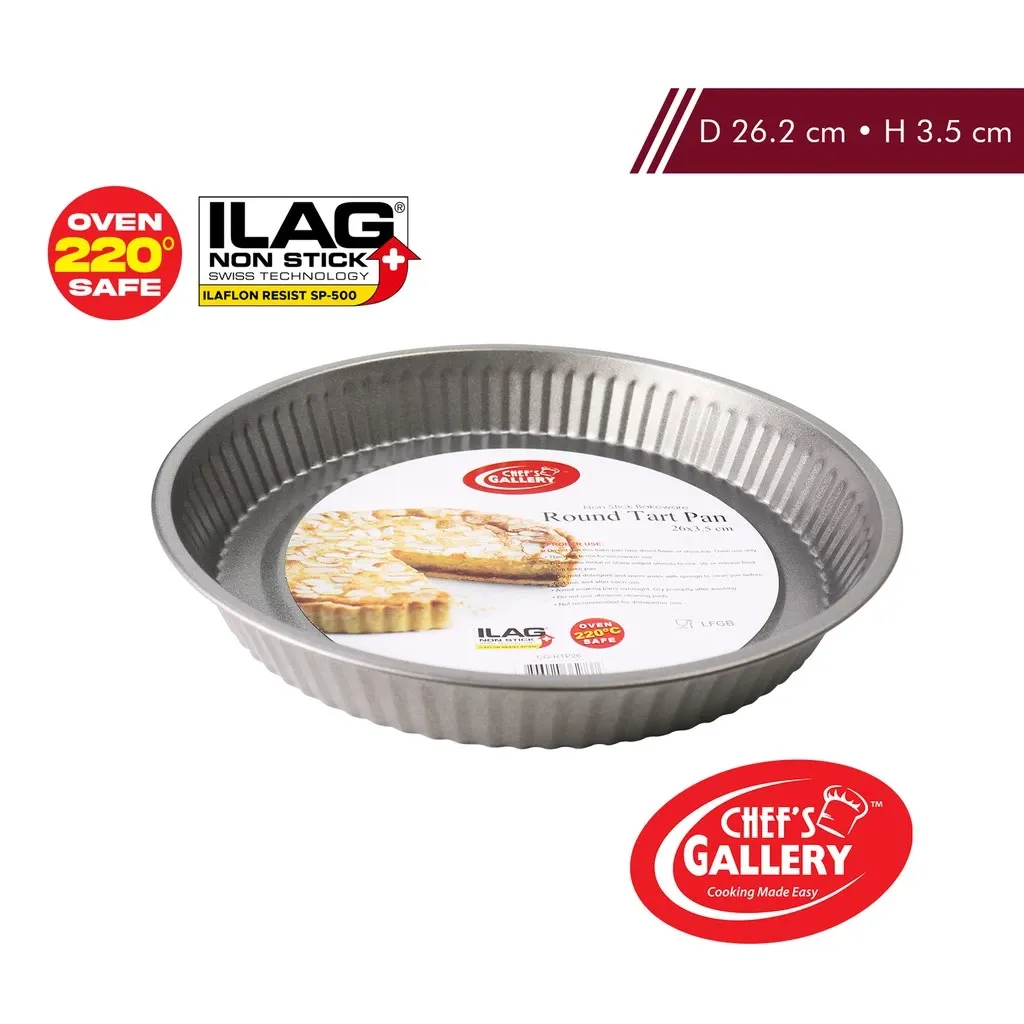
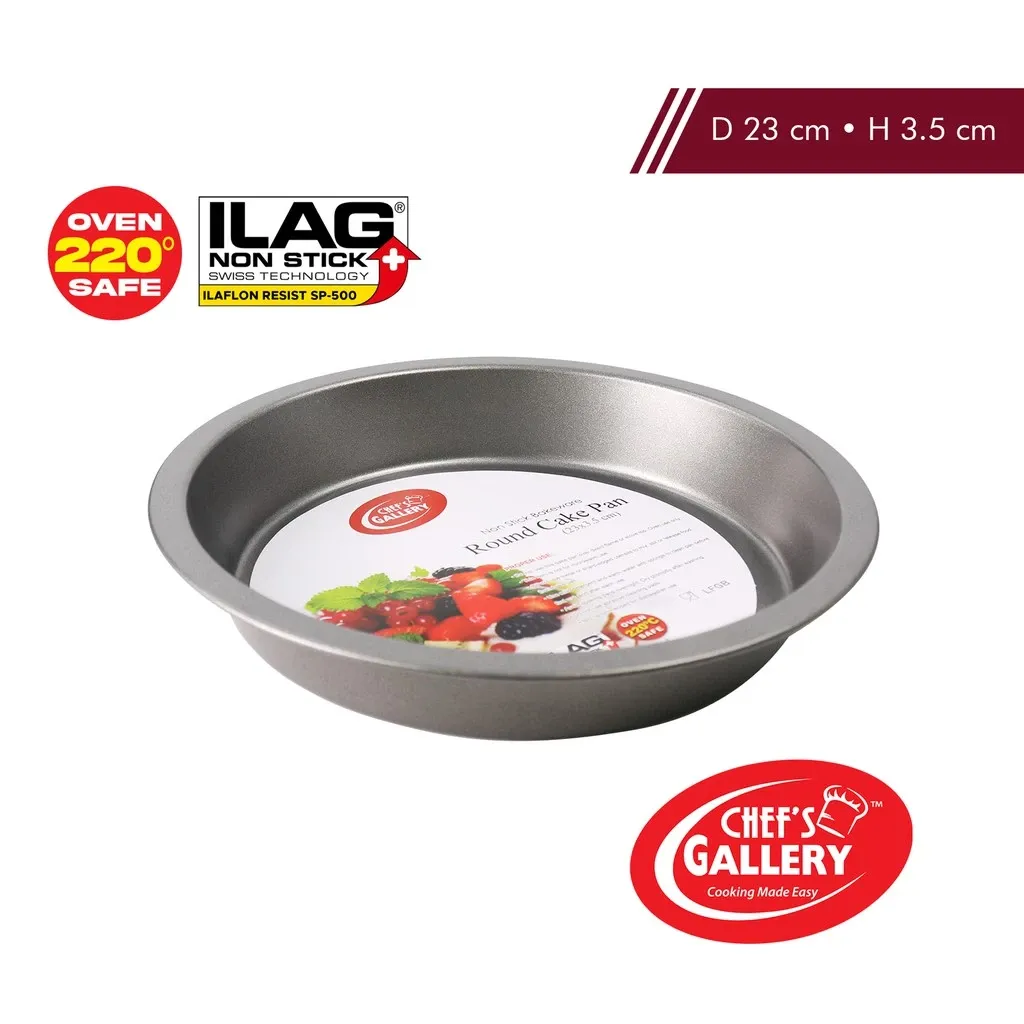
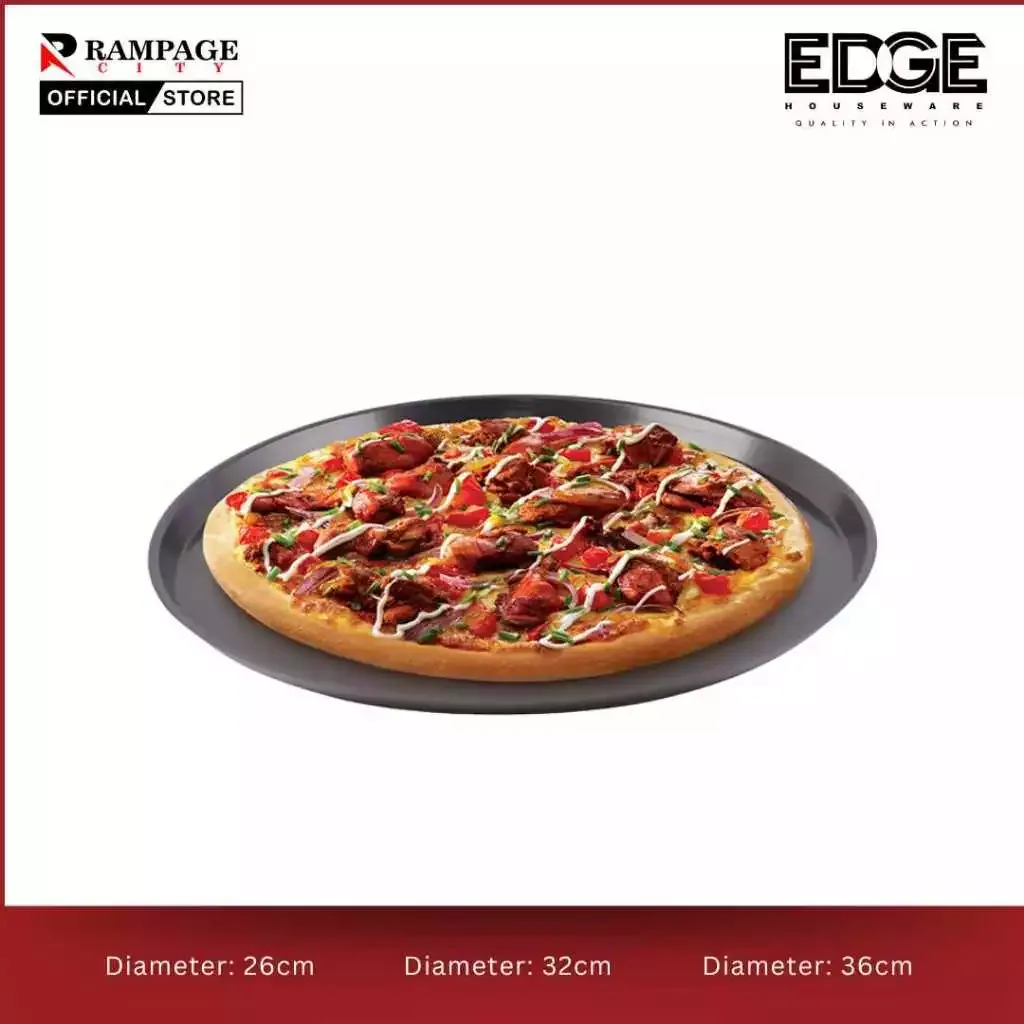
Most countertop ovens comfortably take a 9-inch or 23cm round pan with air space around it. At 10.2 inches you are close to the walls, and an 11-inch or 26cm pan will not clear the sides of many of them. Measure the interior before you order, not after.
Do I need a springform pan?
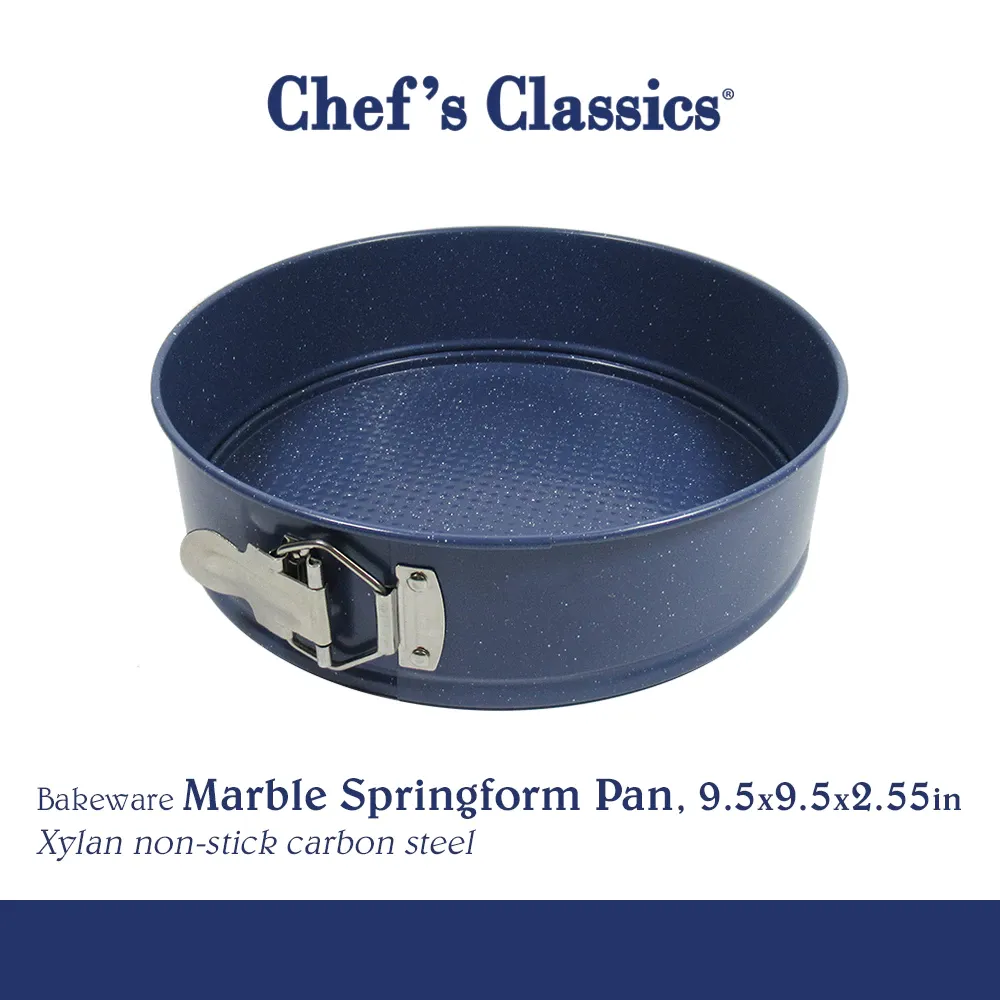
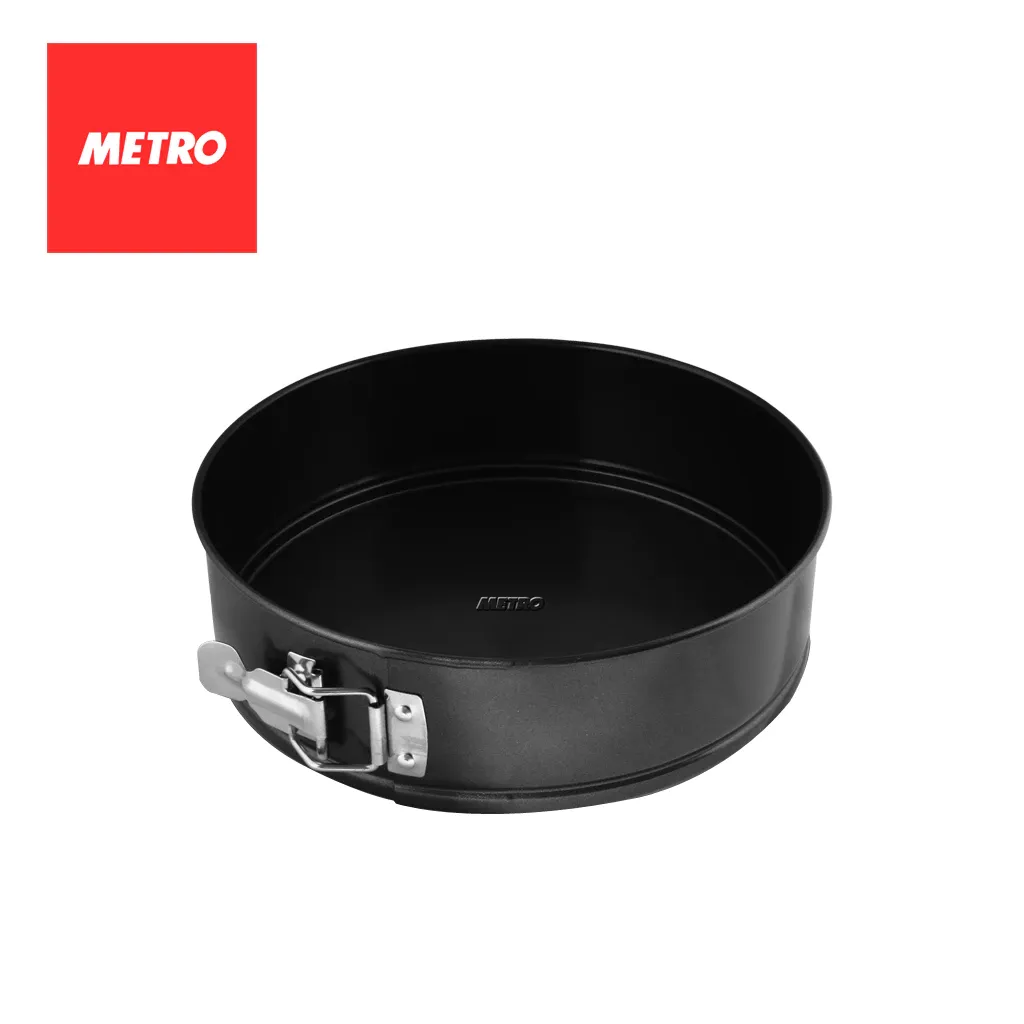
Only for cakes you cannot turn upside down: cheesecake, mousse cakes, anything with a set topping. For sponges and loaves, a fixed-base pan is cheaper, has no seam to leak, and has no clasp to fail.
How do I stop a springform pan leaking?
You mostly cannot: the seam between wall and base is inherent to the design. The habit is to wrap the outside of the base in foil before a thin batter or a water bath goes in. Tightening the clasp helps, but foil is what actually works.
How long does non-stick bakeware last?
Longer than most people get out of it, because most coatings die from metal utensils and scouring pads rather than from age. Use nylon or wood, wash by hand, and do not stack pans face down inside each other without something between them.